Boatneck Revival: 1950s Classic Making Waves in 2026
Fashion is cyclical, and every few decades, timeless silhouettes return to reclaim their spotlight. In 2026, one such elegant comeback is the boatneck (or bateau neckline)—a refined style rooted in mid-century glamour that is once again dominating wardrobes, runways, and social feeds.
What is the Boatneck?
The boatneck is defined by its wide, horizontal neckline that stretches across the collarbone toward the shoulders, creating a clean and graceful line.
Unlike plunging necklines, it offers a subtle reveal of skin, balancing modesty with sophistication—one of the key reasons behind its enduring appeal.
A Glimpse into Its Vintage Origins
The boatneck’s journey began far from fashion capitals. It originated from French naval uniforms in the 19th century, where the wide neckline made garments easier to remove in emergencies.
By the 1930s, legendary designer Coco Chanel transformed this functional detail into a chic fashion statement. Later, in the 1950s, the style reached iconic status, thanks to Hollywood muses like Audrey Hepburn and Grace Kelly, who embraced its understated elegance.
Hepburn’s appearance in the film Sabrina even earned the style the nickname “Sabrina neckline.”
Why It Ruled the 1950s
The 1950s fashion era celebrated polished femininity and clean silhouettes, and the boatneck fit perfectly into this aesthetic. It:
Highlighted the collarbones delicately
Enhanced posture and shoulder lines
Paired effortlessly with tailored skirts and dresses
It also became a staple in beatnik culture, symbolizing artistic minimalism and effortless style.
The Big Comeback in 2026
Fast forward to today, and the boatneck is experiencing a powerful revival. According to recent fashion reports, this 1950s favorite is one of the standout returning trends of 2026, praised for its timeless and universally flattering design.
Why Now?
Several factors are driving its resurgence:
1. Shift Toward Timeless Fashion
Modern consumers are moving away from fast, flashy trends toward classic, investment-worthy pieces.
2. Minimalism Meets Elegance
The boatneck offers a clean, uncluttered look that aligns with the current quiet luxury aesthetic.
3. Versatility Across Styles
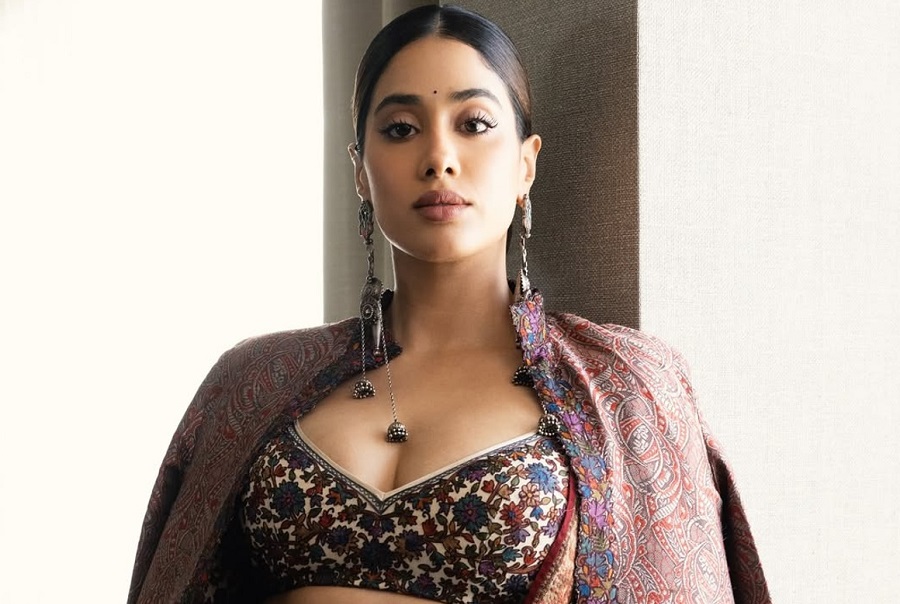
From casual tops to bridal wear and saree blouses, designers are reimagining the boatneck for every occasion.
4. Flattering for All Body Types
Its horizontal cut broadens the shoulder line and elongates the neck, making it widely appealing.
Modern Interpretations
In 2026, the boatneck is far from a simple vintage copy. Designers are experimenting with:
Sheer overlays and illusion necklines for contemporary elegance
Elbow-length sleeves for a regal, structured look
Bold back designs paired with modest front necklines
Minimalist piping and embellishments for everyday wear
From Western dresses to Indian ethnic wear, the silhouette has seamlessly crossed cultural boundaries.
How to Style the Boatneck Today
The beauty of this neckline lies in its adaptability:
Pair a boatneck top with high-waisted trousers for a polished office look
Opt for a boatneck blouse with a saree for festive elegance
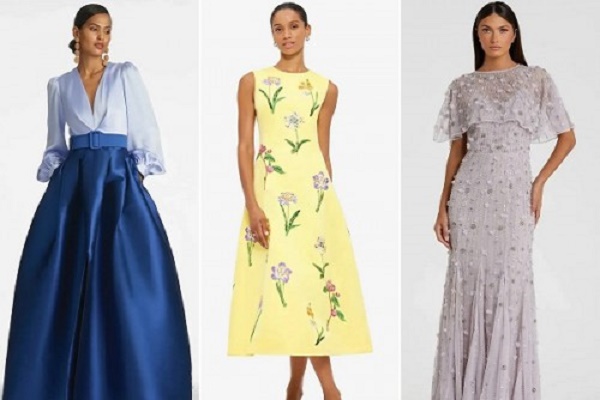
Choose a structured boatneck dress for formal events
Keep accessories minimal—let the neckline do the talking
The Timeless Appeal
What makes the boatneck truly special is its ability to balance restraint and allure. It doesn’t rely on bold cuts or excessive detailing—instead, it celebrates simplicity, proportion, and grace.
As fashion continues to revisit the past for inspiration, the boatneck stands out as proof that true style never fades—it evolves.
Conclusion
The revival of the boatneck in 2026 is more than just a trend—it’s a return to refined, effortless elegance. Rooted in 1950s sophistication yet perfectly suited for modern wardrobes, this classic neckline is once again making waves—and this time, it’s here to stay.