
Aluminium Supply Squeeze Deepens as LME Inventories Hit Multi-Decade Lows by Amit Gupta, Kedia Advisory
Global aluminium markets are experiencing a severe supply squeeze as LME inventories fall to their lowest levels since 1990, declining 56% this year. Tight physical availability has pushed spot aluminium premiums over three-month futures to as much as $101.50 per tonne, reflecting backwardation in London and Shanghai markets. Middle East shipping disruptions, damaged smelters, China's production cap and trade barriers have restricted available supplies. Although Indonesia is expected to expand production in coming years, additional metal has yet to reach exchange warehouses. Meanwhile, concentrated futures positions ahead of November contract expiry are adding further uncertainty to market conditions.
Key Highlights
• LME aluminium inventories declined 56% this year, reaching their lowest levels since 1990.
• Spot aluminium traded at a premium of up to $101.50 per tonne over three-month futures.
• Middle East shipping disruptions and smelter recovery continue to restrict global aluminium availability.
• China's production cap and US-European trade barriers are limiting additional supplies to the market.
• Four unidentified traders hold at least 25% of open interest in November LME aluminium contracts.
Global aluminium markets are facing a severe supply squeeze as exchange inventories decline to multi-decade lows, pushing physical premiums higher and creating backwardation in London and Shanghai markets. London Metal Exchange (LME) aluminium inventories have fallen 56% this year to their lowest levels since 1990. Meanwhile, spot aluminium contracts traded at a premium of as much as $101.50 per tonne over three-month futures on Monday, approaching the multi-year high recorded earlier this year following disruptions to Middle Eastern shipments.
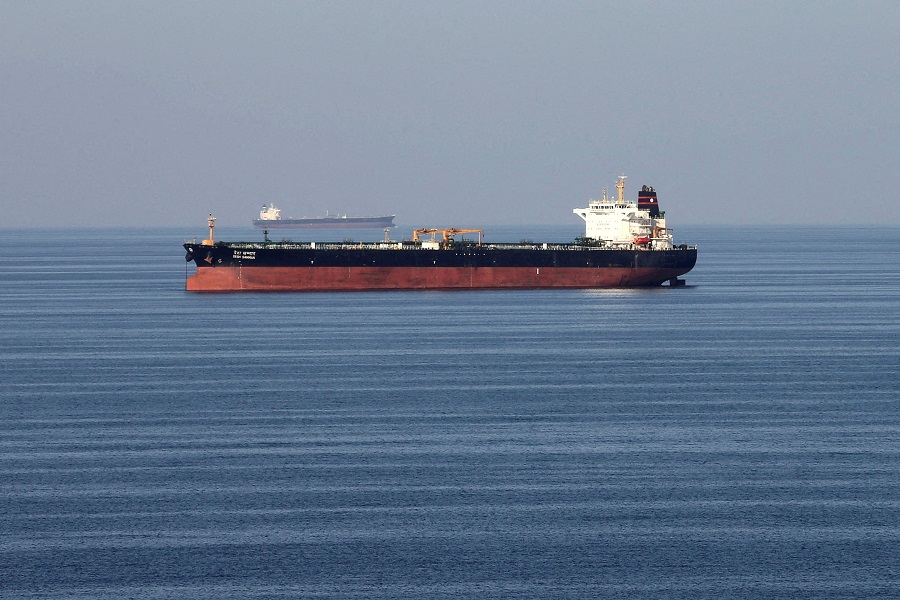
The tightening physical market reflects persistent supply constraints, particularly from the Persian Gulf, where aluminium producers continue to face higher transportation costs, longer shipping times and logistical risks. Some regional smelters are also recovering from direct attacks during the initial stages of the conflict. Although alternative shipping routes have helped maintain exports, deliveries remain more expensive and uncertain. ING commodities strategist Ewa Manthey highlighted the limited availability of metal that could quickly enter LME warehouses.
Supply constraints are further reinforced by China's aluminium production cap and trade barriers affecting the US and Europe. Although Indonesia is expected to significantly increase aluminium production over the coming years, the additional supply has not yet reached exchange warehouses. Producers can currently secure better returns through direct sales to European and US buyers, where physical premiums remain elevated despite relatively weak demand. This could require a further widening of backwardation to attract metal into LME warehouses.
Meanwhile, futures market positioning is adding another layer of uncertainty. Bloomberg, citing exchange data, reported that four unidentified holders of long positions collectively account for at least 25% of outstanding open interest in November LME aluminium contracts. These contracts are scheduled to mature next week, increasing attention on immediate physical metal availability.
Near-term aluminium prices remain supported by declining inventories and physical supply constraints, although rising future production and potential market surpluses could create downside risks.
Above views are of the author and not of the website kindly read disclaimer