Belt Styles That Complete Your Outfit
A belt is often viewed as a practical accessory, but it plays a much bigger role in fashion than simply holding clothing in place. The right belt can define your silhouette, balance proportions, add personality to an outfit, and elevate even the simplest look. Whether you're dressing for work, a casual outing, or a formal event, choosing the right belt can make a noticeable difference.
Understanding different belt styles and knowing when to wear them helps create polished, well-coordinated outfits that reflect your personal style.
Why Belts Matter in Fashion
Belts serve both functional and aesthetic purposes. Beyond providing a secure fit, they help create structure, emphasize the waist, and tie together different elements of an outfit. A carefully chosen belt can transform an ordinary ensemble into one that looks intentional and refined.
From classic leather designs to modern statement pieces, belts remain one of the most versatile accessories in any wardrobe.
Classic Leather Belts
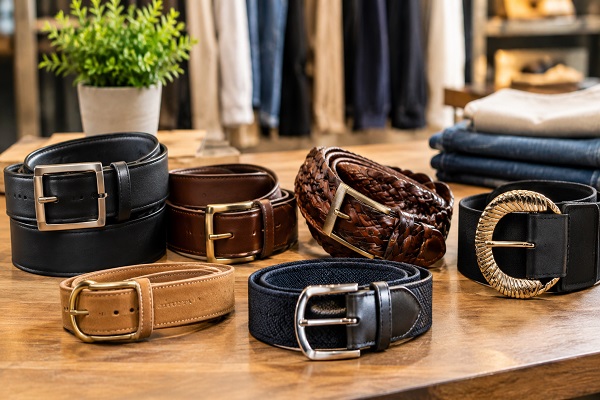
A classic leather belt is an essential wardrobe staple for both men and women. Available in timeless shades such as black, brown, and tan, these belts pair effortlessly with jeans, chinos, trousers, and formal wear.
For professional settings, choose a belt with a clean finish and a simple metal buckle. Matching the belt with your shoes creates a cohesive and sophisticated appearance.
A quality leather belt never goes out of style and can last for years with proper care.
Casual Belts for Everyday Wear
Casual belts offer greater flexibility in terms of materials, colors, and textures. Canvas, woven fabric, suede, and braided leather belts work well with relaxed outfits, including denim, shorts, and casual dresses.
These styles add character without appearing overly formal, making them ideal for weekends, travel, or everyday activities.
Experimenting with different textures can give casual outfits extra visual interest.
Statement Belts
Statement belts are designed to stand out. Featuring oversized buckles, decorative hardware, bold colors, or unique materials, they become the focal point of an outfit.
They pair particularly well with dresses, jumpsuits, oversized blazers, or monochrome outfits where a bold accessory adds contrast and personality.
When wearing a statement belt, keep the rest of your accessories understated to maintain balance.
Slim Belts
Slim belts offer a subtle, elegant touch that works beautifully with dresses, skirts, blazers, and high-waisted trousers. They help define the waist without overwhelming the outfit.
Neutral colors create a timeless appearance, while metallic finishes or vibrant shades can introduce a modern accent.
Slim belts are especially effective for creating a polished silhouette.
Wide Belts
Wide belts are ideal for highlighting the waist and adding structure to flowing garments. They work particularly well with maxi dresses, oversized shirts, coats, and long blazers.
By creating a defined waistline, wide belts add shape and sophistication while enhancing overall proportions.
This style remains a popular choice for both casual and formal fashion.
Braided and Woven Belts
Braided belts offer a relaxed yet stylish alternative to traditional leather belts. Their flexible construction allows for a comfortable fit while adding texture to an outfit.
These belts pair exceptionally well with chinos, linen trousers, summer dresses, and resort wear, making them a great option for warmer seasons.
Their timeless appeal makes them a valuable addition to any accessory collection.
Matching Belts with Outfits
Choosing the right belt depends on the occasion and the clothing you're wearing.
For business attire, classic leather belts with minimal detailing provide a professional appearance. Casual outfits allow for greater creativity with woven fabrics, textured leather, or colorful designs. Formal occasions call for sleek belts that complement polished footwear and tailored clothing.
Rather than overpowering an outfit, a belt should enhance the overall look while maintaining visual harmony.
Choosing the Right Size
A belt should fit comfortably without being excessively tight or loose. Ideally, the belt should fasten around the middle holes, allowing room for adjustments when needed.
The width of the belt should also complement the outfit. Wider belts suit casual and fashion-forward styles, while narrower belts work best with business and formal attire.
Selecting the correct size improves both comfort and appearance.
Caring for Your Belts
Proper maintenance extends the life of quality belts. Leather belts should be cleaned with appropriate leather care products and stored flat or gently rolled to prevent cracking. Fabric and woven belts should be kept clean and dry to maintain their shape.
Rotating between multiple belts also helps reduce wear and keeps each accessory looking its best.
Final Thoughts
Belts may be small accessories, but they have a significant impact on personal style. The right belt not only enhances the fit of your clothing but also adds polish, balance, and individuality to your overall appearance.
Whether you prefer timeless leather classics, relaxed woven designs, elegant slim belts, or bold statement pieces, investing in versatile, high-quality belts ensures you are prepared for every occasion.
A thoughtfully selected belt is often the finishing touch that transforms a good outfit into a truly stylish one.