Benefits of Including Millets in Your Daily Diet: Why These Nutritious Grains Are Gaining Popularity
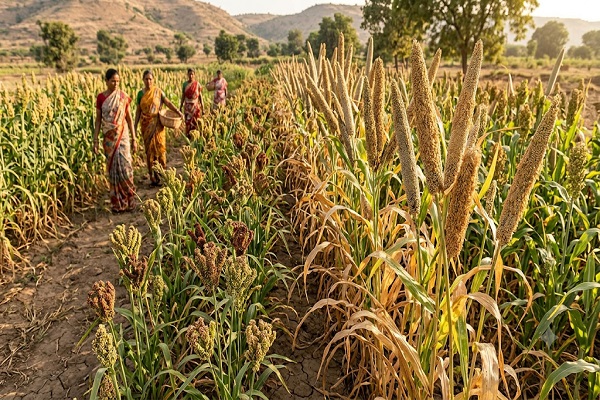
Millets are gaining popularity as an important part of healthy eating habits, particularly among people looking for nutritious and affordable alternatives to refined grains. Traditionally consumed across India for generations, these small-seeded grains are now receiving renewed attention because of their nutritional value, versatility and potential health benefits.
Millets such as ragi (finger millet), jowar (sorghum), bajra (pearl millet), foxtail millet and little millet can be included in everyday meals in several ways. From traditional bhakri and porridge to dosa, upma and khichdi, these grains offer a variety of options for people looking to improve their daily diet.
Rich in dietary fibre, minerals and other essential nutrients, millets can contribute to a balanced diet when consumed in appropriate quantities. Here are some important benefits of including millets in your daily eating routine.
1. Supports Better Digestive Health
Millets contain dietary fibre, which plays an important role in maintaining digestive health. Fibre helps support regular bowel movements and can help reduce constipation when combined with adequate water intake.
Including fibre-rich grains such as jowar, bajra and foxtail millet in regular meals may also support a healthier gut environment.
People who are not accustomed to eating high-fibre foods should introduce millets gradually to avoid bloating or digestive discomfort.
2. Helps Maintain Healthy Blood Sugar Levels
Certain millets contain fibre and complex carbohydrates that can help slow digestion and the absorption of glucose.
Compared with some refined grain products, whole millets may produce a more gradual rise in blood sugar, depending on the grain, preparation method and portion size.
Ragi, jowar and foxtail millet can be considered as part of a balanced eating plan. However, people with diabetes should pay attention to portion sizes and individual blood glucose responses rather than assuming that all millet-based foods are automatically suitable.
3. Provides Essential Nutrients
One of the major advantages of millets is their nutritional composition. Different varieties provide varying amounts of protein, fibre, iron, magnesium, phosphorus and other minerals.
For example:
Ragi: Known for its calcium content, which supports bone health.
Bajra: Provides iron, magnesium and dietary fibre.
Jowar: Contains fibre, protein and beneficial plant compounds.
Foxtail Millet: Provides dietary fibre and several essential minerals.
Little Millet: Offers fibre and minerals that contribute to a balanced diet.
Including different millet varieties can help add nutritional diversity to everyday meals.
4. Supports Heart Health
Millets contain dietary fibre, magnesium and plant-based nutrients that can contribute to a heart-healthy eating pattern.
A diet rich in whole grains and fibre is associated with better cardiovascular health. Replacing some refined grains with whole millets may also help improve overall dietary quality.
For better results, millets should be combined with vegetables, pulses, nuts and other nutritious foods while limiting excessive salt and unhealthy fats.
5. May Help With Weight Management
Millets can be useful for people trying to maintain a healthy body weight. Their fibre content can support feelings of fullness, which may help reduce unnecessary snacking between meals.
Whole millet preparations such as vegetable khichdi, ragi porridge and jowar bhakri can be included in balanced meal plans.
However, weight management depends on overall calorie intake, physical activity, sleep and other lifestyle factors. Eating millets alone does not guarantee weight loss.
6. Supports Bone Health
Ragi is particularly known for its calcium content, making it a useful grain for people looking to include more plant-based calcium sources in their diets.
Calcium is essential for maintaining strong bones and teeth. Other millets also provide minerals such as magnesium and phosphorus, which contribute to normal bone function.
However, the calcium available from millets can vary, and some of it may be less readily absorbed because of naturally occurring compounds such as phytates. A varied diet remains important for maintaining bone health.
7. Naturally Gluten-Free Alternative
Most commonly consumed millets, including ragi, jowar and bajra, are naturally gluten-free.
This makes them useful alternatives to wheat and other gluten-containing grains for people with coeliac disease or gluten sensitivity.
However, individuals with coeliac disease should ensure that millet products are certified or handled to prevent cross-contamination with wheat, barley and rye.
8. Provides Long-Lasting Energy
Millets are sources of complex carbohydrates, which provide energy to support everyday activities.
Unlike diets that depend heavily on refined carbohydrates, including whole millet grains can improve fibre intake and overall nutritional balance.
They can be particularly useful in breakfast and lunch preparations for people with active daily routines.
9. Supports a More Diverse Diet
Eating the same grains every day can limit dietary variety. Including different types of millets introduces new flavours, textures and nutrients into regular meals.
For example, people can alternate between jowar bhakri, bajra roti, ragi dosa and foxtail millet khichdi.
Combining these grains with dal, vegetables, curd and other protein sources can help create more balanced meals.
10. Environmentally Sustainable Food Choice
Millets are also attracting attention because of their agricultural benefits. Many millet varieties can grow in relatively dry conditions and require less water than some other major cereal crops, depending on the variety and growing environment.
Their ability to grow in challenging agricultural conditions makes them valuable crops for supporting agricultural diversity and climate resilience.
In India, millets have traditionally been cultivated in several regions and continue to play an important role in sustainable food systems.
How to Include Millets in Your Daily Diet
Adding millets to everyday meals does not require major changes to traditional cooking habits. They can be incorporated into familiar Indian recipes.
Some easy options include:
Breakfast: Prepare ragi porridge, millet dosa or foxtail millet upma.
Lunch: Replace wheat roti occasionally with jowar or bajra bhakri.
Evening Snack: Try homemade millet-based chivda or roasted millet snacks.
Dinner: Prepare vegetable millet khichdi with moong dal.
Healthy Alternatives: Use millet flour in homemade pancakes, rotis and other preparations.
Start with smaller portions and gradually increase consumption, particularly if your regular diet is low in fibre.
Important Things to Consider Before Eating Millets
Although millets offer several nutritional benefits, they should be consumed as part of a balanced diet rather than treated as a complete replacement for every other grain.
A few points to remember:
Wash and prepare millets properly before cooking.
Maintain appropriate portion sizes.
Drink enough water when increasing fibre intake.
Combine millets with pulses, vegetables and other protein sources.
Avoid excessive sugar, salt and oil in millet-based preparations.
People with specific medical or dietary conditions should seek personalised dietary advice.
Conclusion
Including millets in your daily diet can be a practical way to improve nutritional diversity and increase the intake of fibre, minerals and complex carbohydrates. From ragi and jowar to bajra and foxtail millet, these traditional grains offer several options for preparing nutritious Indian meals.
Their potential benefits for digestive health, blood sugar management, bone health and weight management make them valuable additions to a balanced eating routine. By choosing different millet varieties and preparing them using healthy cooking methods, individuals can enjoy their nutritional benefits while maintaining traditional food habits.
Millets are not a miracle food, but incorporating them regularly in appropriate portions can be a positive step towards healthier eating.