Car Camping: Essential Equipment and Tips for a Comfortable Outdoor Adventure
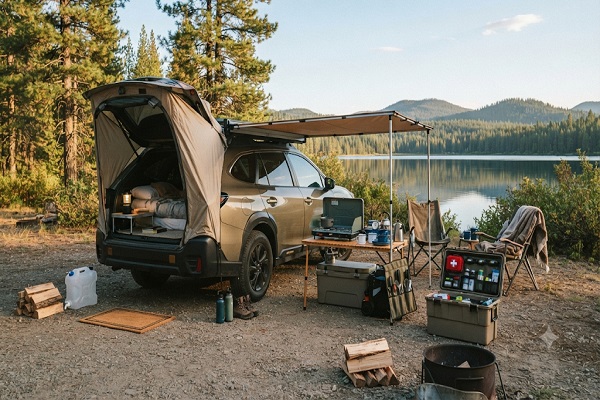
Car camping is becoming a popular way to enjoy outdoor adventures, explore nature and spend quality time with family and friends. Unlike traditional backpacking, car camping allows travellers to carry essential equipment in their vehicles, making outdoor trips more convenient and comfortable.
Whether you are planning a weekend getaway, a mountain adventure or a peaceful night under the stars, car camping offers the freedom to explore destinations at your own pace.
However, a successful camping experience requires proper planning, suitable equipment and basic safety precautions. From choosing the right camping gear to preparing your car, here is everything you need to know before starting your next adventure.
What Is Car Camping?
Car camping is an outdoor activity in which people use their cars as part of their camping experience. Travellers generally park at a permitted campsite and sleep in a tent beside their vehicle or inside a suitably equipped car.
It is different from traditional camping because you can carry more supplies, cooking equipment, clothing and other essentials without having to transport everything on your back.
Car camping is suitable for beginners, families, couples, road-trip enthusiasts and people who enjoy exploring nature.
Essential Equipment for Car Camping
Having the right equipment can make your camping trip safer, easier and more enjoyable. Here are some important items to include in your packing list.
1. Camping Tent
A camping tent provides shelter from wind, rain, insects and changing weather conditions. Choose a tent according to the number of people travelling and the weather expected at your destination.
What to look for:
Waterproof or water-resistant material.
Strong poles and reliable zippers.
Proper ventilation.
Easy setup and packing.
Enough space for sleeping and luggage.
A compact, easy-to-install tent is a practical choice for beginners.
2. Sleeping Bags and Sleeping Mats
Comfortable sleeping equipment is essential for a relaxing camping experience. Sleeping bags provide warmth, while sleeping mats help create a comfortable sleeping surface.
Choose a sleeping bag with a temperature rating suitable for the expected overnight conditions. An insulated sleeping mat can also provide protection from cold ground.
3. Portable Camping Chairs
Portable chairs make outdoor relaxation more comfortable. They are useful for sitting around a campsite, enjoying meals, reading books or watching the sunset.
Look for lightweight, foldable chairs that can easily fit inside your car.
4. Portable Camping Table
A foldable camping table provides a convenient surface for preparing food, keeping equipment and enjoying meals.
Choose a lightweight table that is easy to assemble and stable on suitable ground.
5. Portable LED Lantern and Flashlight
Proper lighting is important when camping after sunset. Portable LED lanterns can illuminate the campsite, while flashlights or headlamps are useful for walking around at night.
Consider rechargeable lighting with sufficient battery life. Keep spare batteries or a backup light available.
6. Portable Power Bank
Smartphones are useful for navigation, communication, photography and emergencies. A high-capacity power bank helps keep devices charged during your trip.
For longer journeys, consider a compatible portable power station, especially if you need to operate several low-power electronic devices.
7. Camping Cooking Equipment
Cooking outdoors can be one of the most enjoyable parts of car camping. Depending on campsite rules, you may carry a portable camping stove, cookware and basic utensils.
Useful cooking equipment includes:
Portable camping stove.
Cooking pot and pan.
Reusable plates and cups.
Spoons, forks and knives.
Water bottles.
Food storage containers.
Always use camping stoves outdoors in a well-ventilated area and follow the manufacturer's safety instructions. Never operate a fuel-burning stove inside a closed vehicle or tent.
8. First-Aid Kit
A first-aid kit is an important safety item for every camping trip. It can help you handle minor injuries and common outdoor emergencies.
Include items such as:
Adhesive bandages.
Sterile gauze and dressings.
Antiseptic wipes.
Medical tape.
Disposable gloves.
Personal medicines.
Basic emergency contact information.
Check the kit before departure and replace expired or used supplies.
9. Cooler Box or Portable Refrigerator
A cooler box helps keep food and drinks cool during outdoor trips. It is especially useful for summer camping and longer road journeys.
Use suitable ice packs and keep perishable food at safe temperatures. A portable refrigerator can be an alternative for travellers with a compatible power supply.
10. Camping Hygiene Essentials
Maintaining personal hygiene is important when spending time outdoors. Carry biodegradable soap where permitted, hand sanitiser, tissues, towels, toothbrushes and waste bags.
Use designated washrooms and follow campsite rules for wastewater disposal.
Important Car Camping Tips for Beginners
Having the right equipment is only one part of a successful camping trip. Following a few practical tips can help you avoid common problems.
1. Choose the Right Campsite
Research your destination before leaving home. Choose a designated camping area that allows overnight stays and offers suitable facilities.
Check whether the campsite provides:
Drinking water.
Toilets and washrooms.
Parking facilities.
Cooking areas.
Mobile network coverage.
Waste disposal facilities.
Avoid parking on private property or in restricted areas without permission.
2. Prepare Your Car Before the Trip
Your vehicle should be in good condition before travelling to a remote destination.
Check the following:
Engine oil and coolant levels.
Tyre pressure and tyre condition.
Brakes and headlights.
Battery condition.
Windshield wipers.
Spare tyre and toolkit.
Fuel level and vehicle documents.
For longer journeys, consider getting your vehicle inspected by a qualified mechanic.
3. Pack Your Equipment Smartly
Organise camping supplies into separate bags or storage boxes. Keep frequently used items accessible and place heavier luggage securely.
A useful arrangement is to keep emergency supplies, drinking water and first-aid equipment easy to reach.
Avoid overloading the vehicle or blocking the driver's visibility.
4. Check Weather Conditions
Weather can change quickly, particularly in mountainous and forest areas. Check the forecast before departure and prepare suitable clothing, rain protection and sleeping equipment.
Avoid camping in areas at risk of flooding, landslides, falling branches or severe weather.
5. Carry Enough Drinking Water
Water is essential for drinking, cooking and cleaning. Carry sufficient drinking water for everyone and identify reliable water sources before travelling.
Do not assume that natural water sources are safe to drink without appropriate treatment.
6. Keep Food Properly Stored
Store food in sealed containers to protect it from insects and animals. Avoid leaving food scraps around the campsite.
In areas with wildlife, follow local food-storage rules and never feed wild animals.
7. Keep Your Campsite Clean
Responsible camping helps protect natural surroundings. Carry reusable bags for collecting waste and take all rubbish back with you if proper disposal facilities are unavailable.
Avoid damaging plants, disturbing wildlife or leaving plastic and food waste behind.
8. Plan Your Route in Advance
Download offline maps before travelling, particularly if you are visiting areas with limited mobile connectivity.
Share your itinerary with someone you trust and identify nearby fuel stations, medical facilities and emergency services.
9. Protect Yourself from Insects and Sunlight
Carry suitable insect repellent, sunscreen, sunglasses and protective clothing. Use a mosquito net where necessary and follow local advice about insect-related risks.
10. Follow Fire and Vehicle Safety Rules
Only use designated fire areas where campfires are permitted. Completely extinguish fires before leaving and never leave flames unattended.
Never sleep with the car engine running in an enclosed or poorly ventilated area. Exhaust gases can cause fatal carbon monoxide poisoning. If sleeping inside a vehicle, park in a safe, permitted location, keep ventilation appropriate and never block exhaust outlets.
Car Camping Packing Checklist
Use this checklist to prepare for your next outdoor adventure.
Tent and groundsheet.
Sleeping bags and sleeping mats.
Camping chairs and folding table.
LED lantern and flashlight.
Portable power bank.
Cooking equipment and utensils.
Drinking water and food supplies.
First-aid kit and personal medicines.
Cooler box.
Toiletries and towels.
Insect repellent and sunscreen.
Weather-appropriate clothing.
Waste bags.
Car emergency kit and spare tyre.
Driving licence and vehicle documents.
Best Vehicles for Car Camping
Almost any well-maintained vehicle can be used for car camping, provided it can safely reach the destination and carry the necessary equipment.
SUVs: SUVs often provide generous luggage space and higher ground clearance, making them suitable for many outdoor destinations.
MPVs: Multi-purpose vehicles offer flexible seating and storage arrangements, which can be useful for family camping trips.
Hatchbacks: Hatchbacks can work well for short camping trips with limited equipment, especially when travelling with one or two people.
Pickup Trucks: Pickup trucks offer useful cargo space for outdoor equipment and can be suitable for certain camping styles.
Remember that a vehicle's suitability depends on its capabilities, road conditions, ground clearance and manufacturer recommendations.
How to Make Car Camping More Comfortable
Small preparations can make a significant difference to your camping experience.
Use organisers to keep equipment neatly arranged.
Carry extra blankets for colder nights.
Choose comfortable sleeping arrangements.
Bring books, board games or outdoor entertainment.
Prepare some meals at home to save cooking time.
Keep a separate bag for dirty clothes.
Carry reusable bottles and utensils.
Plan activities such as hiking, birdwatching or photography.
If you intend to sleep inside your vehicle, check the available space and ensure that the sleeping arrangement does not interfere with vehicle ventilation or safety.
Common Car Camping Mistakes to Avoid
First-time campers sometimes overlook important details. Avoid these common mistakes:
Packing too much: Excess luggage makes the vehicle difficult to organise and can affect safe driving.
Ignoring weather forecasts: Inadequate clothing and shelter can make camping uncomfortable or dangerous.
Choosing unauthorised locations: Always confirm that overnight camping and parking are permitted.
Forgetting emergency supplies: Carry a first-aid kit, spare tyre and basic vehicle tools.
Poor food storage: Improperly stored food can attract insects and wildlife.
Ignoring fire safety: Unattended flames can cause serious accidents.
Leaving waste behind: Always follow responsible camping practices.
Conclusion
Car camping is a wonderful way to explore nature, enjoy road trips and create memorable outdoor experiences. With suitable equipment, proper vehicle preparation and a little planning, even beginners can enjoy a comfortable camping adventure.
Start with basic essentials such as a tent, sleeping bag, portable lighting, cooking supplies and a first-aid kit. As you gain experience, you can add more advanced camping accessories according to your needs.
Most importantly, prioritise safety, respect nature and follow local camping regulations. A well-planned car camping trip can turn an ordinary weekend into an unforgettable adventure.