China Harvest Rains May Boost Global Wheat Imports by Amit Gupta, Kedia Advisory
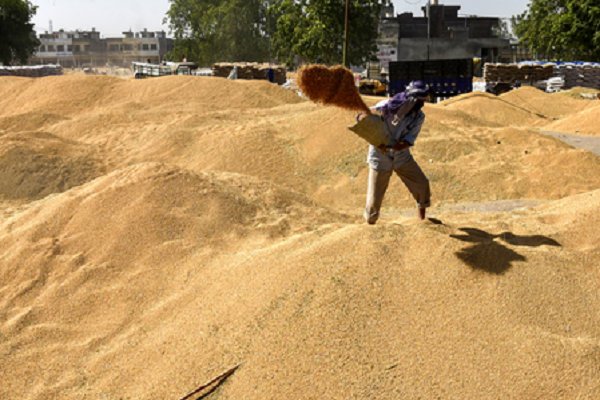
Heavy rainfall during China's wheat harvest season has damaged crop quality in key producing regions, particularly Henan and Hubei provinces, leading to concerns over increased wheat import demand later this year. Analysts estimate that between 4.8 and 10 million tonnes of wheat may have suffered quality downgrades due to sprouting, making it unsuitable for milling and more suitable for animal feed. While overall wheat production is still expected to remain strong, the loss of high-quality grain could prompt additional imports by Chinese millers. Increased Chinese demand may provide support to global wheat prices already strengthened by weather-related supply concerns.
Key Highlights
- Harvest-time rains damaged wheat quality in major Chinese growing regions.
- Between 4.8 and 10 million tonnes of wheat may be downgraded.
- China could increase wheat imports to meet milling-grade demand.
- Global wheat prices may gain support from stronger Chinese buying.
- Further rainfall risks could delay harvesting and affect crop quality.
Wheat prices may find additional support from China after heavy rainfall during the harvest season damaged crop quality across several key producing regions. While China's overall wheat production is still expected to remain strong, concerns have emerged regarding the availability of high-quality milling wheat, which could increase the country's import requirements later this year.
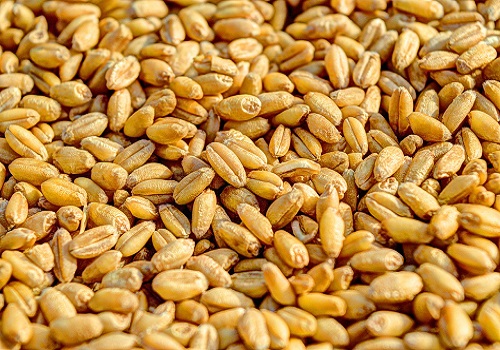
The most significant impact was reported in Henan, China's largest wheat-producing province, along with parts of Hubei, where prolonged rainfall occurred during the critical harvesting period. Analysts estimate that between 4.8 million and 10 million tonnes of wheat may have experienced sprouting damage. Sprouted wheat generally loses its suitability for food-grade flour production and is often redirected toward animal feed markets.
Despite the quality concerns, analysts believe the overall damage remains manageable compared to previous years. Favorable weather conditions after the rainfall helped limit broader crop losses, and China's winter wheat crop is still expected to achieve a relatively large harvest. However, millers may need to source additional high-quality wheat supplies from international markets to compensate for the downgraded domestic crop.
The potential increase in Chinese wheat imports comes at a time when global wheat markets are already facing weather-related supply uncertainties. Wheat prices have risen significantly this year amid drought concerns affecting the U.S. winter wheat crop and fears that developing El Niño conditions could bring dryness to major agricultural regions worldwide.
Further risks remain as only about 42% of China's wheat area has been harvested. Weather forecasts indicate additional rainfall across important wheat-growing provinces, which could slow harvesting operations and increase quality risks. In response, Chinese authorities have mobilized resources across major producing provinces to accelerate harvesting and grain drying activities.
Weather-related quality losses in China's wheat crop may boost import demand for premium wheat, providing additional support to global wheat prices despite expectations of a relatively strong overall harvest.
Above views are of the author and not of the website kindly read disclaimer