Chips carry stocks higher; Oil jumps on stalled peace talks
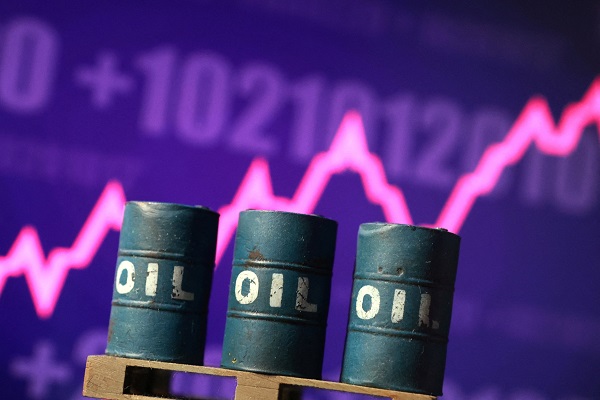
Oil climbed on Monday as stalled U.S.-Iran peace talks prolonged the disruption of Middle East energy exports, while renewed excitement about artificial intelligence spending drove up chip stocks at the beginning of a week where war, central banks and tech earnings are in focus.
Benchmark Brent crude futures rose around 2% to touch a three-week high of $107.97 a barrel in Asia trade, a level that has stoked inflation worries and prompted traders to all but price out rate cuts in developed markets this year.
S&P 500 futures wobbled in the Asia session but tacked on small gains of around 0.2% after markets in Taiwan, Tokyo and Seoul followed Wall Street to notch record highs on a new wave of AI optimism. [.KS][.T][.N]
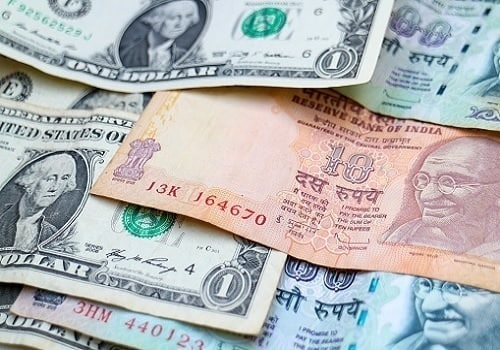
Currency trading was broadly steady - with the euro at $1.1724 and yen at 159.32 per dollar. Bond markets were calm ahead of central bank meetings in Japan, the U.S., Britain, Europe, Canada and a smattering of emerging markets.
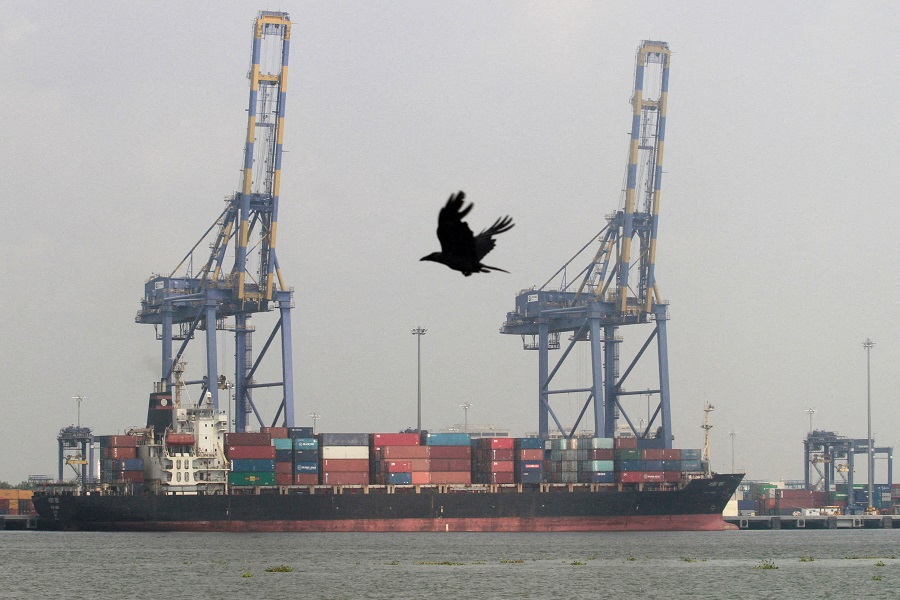
While a ceasefire has frozen most fighting in the war triggered by U.S.-Israeli strikes on Iran two months ago, markets are focused on the shuttered Strait of Hormuz, where barely any ships carrying oil and gas have transited.
The average LNG price for June delivery into northeast Asia was $16.70 per million British thermal units last week, nearly 61% above pre-war levels.
Goldman Sachs analysts lifted year-end oil price forecasts sharply from $80 to $90 a barrel for Brent, and even that rests on normalisation of Gulf exports by the end of June.
"Non-linear price increases are likely if inventories drop to critically low levels, which we have not seen in the last few decades," they warned in a note.
U.S. President Donald Trump cancelled a trip to Islamabad by U.S. envoys for talks on the weekend, but investors were buoyed slightly by an Axios report saying Iran wants to make a deal on opening the strait first and postpone nuclear talks until later.
RATES AND HYPERSCALERS EARNINGS
Beyond oil derivatives and the even more stretched physical market where jet fuel fetches $185 a barrel in Singapore, equity investors have hoped for a breakthrough and tried to look past the oil shock to an AI trend that is seen as unstoppable.
"AI is something that people are very optimistic about and very much considered a winner," said Mike Seidenberg, senior portfolio manager for Allianz Technology Trust.
"It's the top of the portfolio."
Intel's forecast for second-quarter revenue above Wall Street expectations last week set off the latest round of buying that has pushed the total value of the chip-maker-heavy stock markets in Taiwan and South Korea above Germany's.
U.S. tech earnings headline the week ahead, with 44% of the S&P 500 by market cap due to report and the focus on capex at Microsoft, Alphabet, Amazon and Meta Platforms which report on Wednesday. Apple reports on Thursday.
Major central banks are expected to stay on hold this week, though aggressive bets on future rate hikes in Britain and Europe could be tested if policymakers strike a cautious tone.
The Bank of Japan is the first off the rank and is expected to keep its short-term policy rate steady at 0.75% on Tuesday.
The Federal Reserve is also expected to leave rates where they are at what is likely to be Jerome Powell's final meeting in the chair.
The European Central Bank and Bank of England are likewise expected to hold, but their tone and outlook could challenge market pricing for both banks to make two 25-basis-point hikes later in the year.