Climate Change and Its Impact on Human Health
Introduction
Climate change is often discussed in terms of rising sea levels, melting glaciers, and extreme weather events. Yet one of its most profound consequences is on human health. From heat-related illnesses to the spread of infectious diseases, climate change is reshaping the way we live and survive.
Heat and Extreme Weather
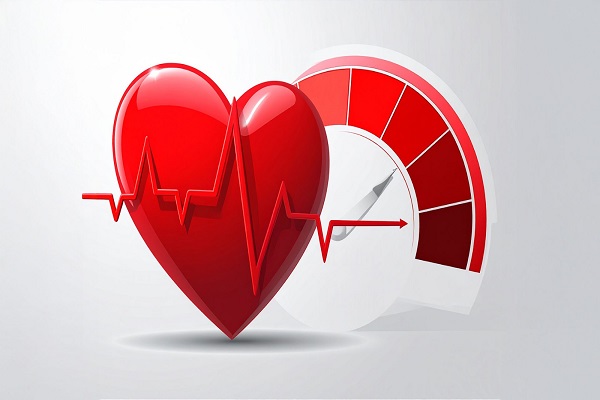
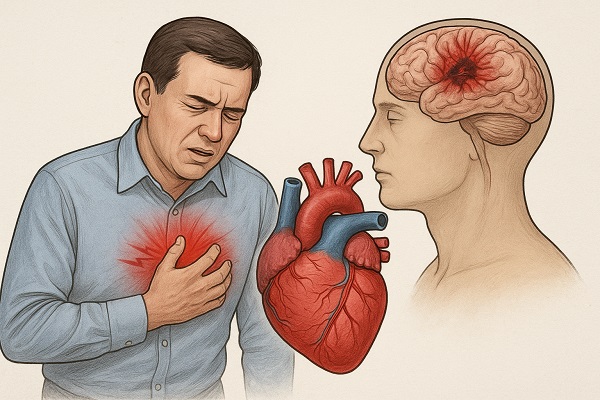
As global temperatures rise, heatwaves are becoming more frequent and intense. Prolonged exposure to extreme heat increases the risk of dehydration, heatstroke, and cardiovascular problems. Vulnerable populations—such as the elderly, children, and outdoor workers—are most at risk. At the same time, storms, floods, and wildfires cause injuries, displacement, and long-term mental health challenges.
Shifting Disease Patterns
Warmer climates and changing rainfall patterns create favorable conditions for disease-carrying insects like mosquitoes. This expands the reach of illnesses such as malaria, dengue, and Zika virus into regions that previously had little exposure. Similarly, flooding and poor sanitation increase the risk of waterborne diseases like cholera and diarrheal infections.
Food and Nutrition
Climate change disrupts agriculture by altering rainfall, reducing crop yields, and increasing the frequency of droughts. This leads to food insecurity and malnutrition, particularly in vulnerable communities. Rising carbon dioxide levels also affect the nutritional quality of staple crops, reducing essential vitamins and minerals.
Air Quality and Respiratory Health
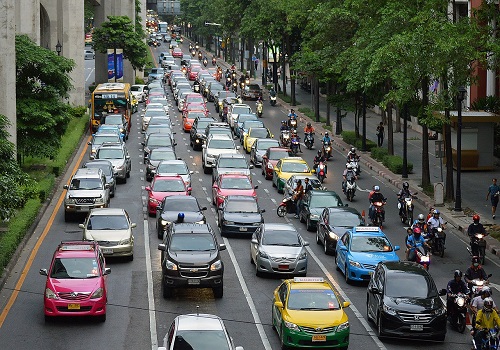
Higher temperatures contribute to increased air pollution and allergens. Wildfires release harmful particulates, while warmer conditions intensify ground-level ozone, worsening asthma and other respiratory diseases. For urban populations, poor air quality is becoming one of the most pressing health risks linked to climate change.
Mental Health
Beyond physical illness, climate change has a psychological toll. Communities facing displacement, loss of livelihoods, or repeated exposure to disasters often experience anxiety, depression, and post-traumatic stress. The uncertainty of the future itself can weigh heavily on mental wellbeing.
Conclusion
Climate change is not just an environmental issue—it is a public health crisis. Protecting human health requires urgent climate action, from reducing emissions to building resilient healthcare systems. By addressing climate change today, we safeguard not only the planet but also the wellbeing of generations to come.