Global Fashion Innovation: Redefining Style in a Digital and Sustainable Era
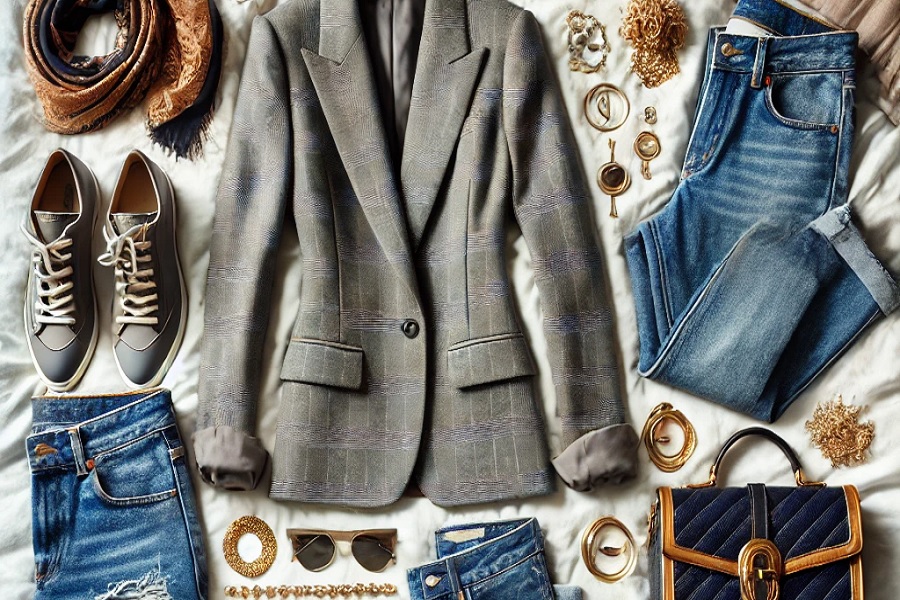
The global fashion industry is undergoing one of its most transformative phases. Innovation is no longer limited to design and aesthetics—it now includes technology, sustainability, customization, and digital experiences. From smart textiles to AI-driven design systems, fashion in the modern era is becoming more intelligent, adaptive, and environmentally conscious.
1. Digital Transformation in Fashion Design
One of the biggest innovations in global fashion is the use of digital tools in design and production.
- Designers now use 3D modeling and virtual prototyping to create garments
- AI tools help predict fashion trends and consumer preferences
- Digital fashion shows reduce the need for physical runway events
This shift allows brands to reduce costs, speed up production, and experiment with bold new ideas before manufacturing.
2. Rise of Sustainable Fashion
Sustainability has become a core focus of global fashion innovation.
- Eco-friendly fabrics such as organic cotton, bamboo, and recycled polyester are widely used
- Brands are adopting zero-waste production techniques
- Water and energy consumption in textile production is being reduced
Consumers are also becoming more aware, demanding clothing that is both stylish and environmentally responsible.
3. Smart and Wearable Clothing
Fashion is now merging with technology through smart textiles and wearable innovation.
- Clothes embedded with sensors can monitor body temperature and movement
- Smart jackets can adjust warmth based on weather conditions
- Fitness-integrated apparel tracks health data in real time
These innovations are turning clothing into functional, data-driven devices.
4. Artificial Intelligence in Fashion
AI is playing a major role in reshaping the fashion industry.
- AI systems analyze trends and forecast upcoming styles
- Virtual stylists recommend outfits based on user preferences
- Automated design tools help create unique fashion patterns
This makes fashion more personalized and responsive to consumer needs.
5. Virtual Fashion and Digital Clothing
A new trend is the rise of virtual fashion, especially in online spaces.
- Digital outfits are created for social media, gaming, and virtual reality platforms
- Users can “wear” clothing in digital environments without physical production
- Fashion brands are launching exclusive digital-only collections
This innovation reduces waste while expanding creative possibilities.
6. Customization and On-Demand Fashion
Modern consumers prefer personalized clothing experiences.
- AI and 3D printing enable custom-fit clothing production
- Customers can design outfits based on body measurements and style preferences
- On-demand manufacturing reduces excess inventory and waste
This approach makes fashion more individual and efficient.
7. Global Collaboration and Cultural Fusion
Fashion innovation is also driven by global cultural exchange.
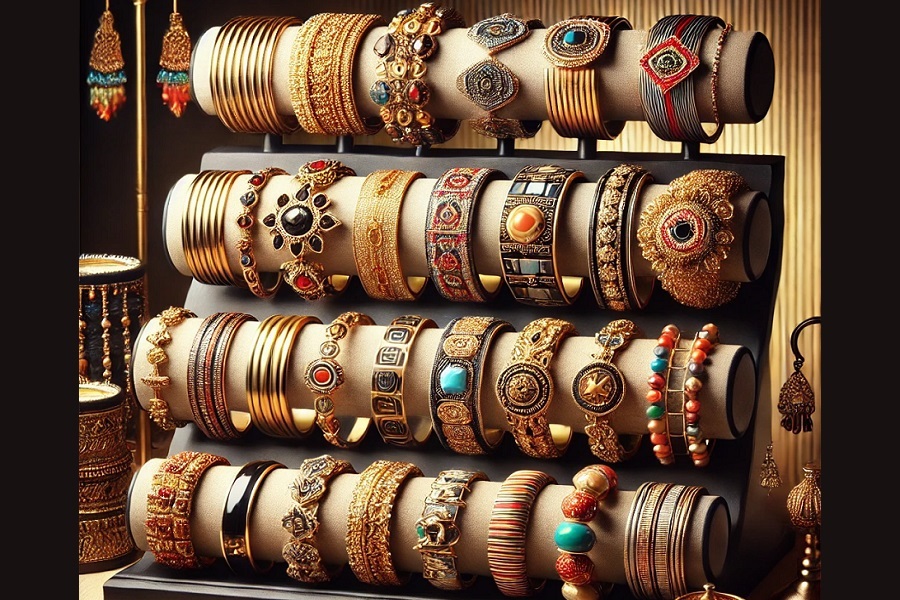
- Designers are blending traditional styles with modern aesthetics
- Cross-border collaborations are creating unique fashion identities
- Cultural inspiration is shaping global runway trends
This fusion is making fashion more diverse and inclusive.
8. Challenges in Fashion Innovation
Despite rapid progress, the industry faces several challenges:
- High cost of advanced sustainable materials
- Balancing technology with creativity
- Ethical concerns around AI-generated designs
- Environmental impact of fast fashion production
These issues require continuous innovation and responsible practices.
9. Overall Impact of Fashion Innovation
Global fashion innovation is reshaping the industry in several ways:
Key Trends
- Integration of technology and clothing
- Strong focus on sustainability
- Growth of digital and virtual fashion
- Rise of personalized and AI-driven design
Conclusion
Global fashion innovation is redefining what clothing means in the modern world. It is no longer just about appearance—it is about function, sustainability, technology, and identity.
As the industry continues to evolve, fashion will become more intelligent, eco-friendly, and digitally connected, shaping a future where style and innovation move hand in hand.