Gold's 21% Correction: Panic, Profit Booking, or the Beginning of a New Monetary Era? by Amit Gupta, Kedia Advisory

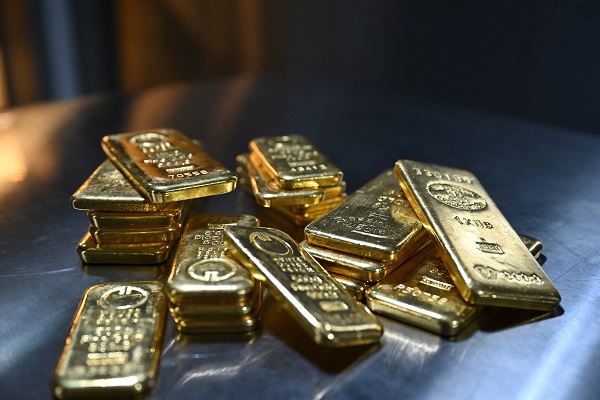
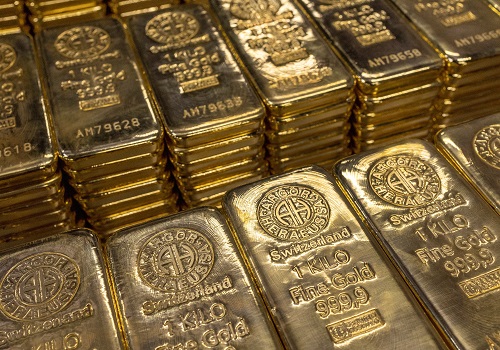
Gold is witnessing one of the most debated corrections in modern financial history. After delivering extraordinary returns over the last three years and emerging as one of the best-performing global asset classes, the precious metal has suddenly entered a sharp correction phase, leaving investors questioning whether gold still deserves its safe-haven status.
From lows near $1,800/oz in 2023, gold rallied more than 200% to touch an all-time high near $5,597/oz on January 26, 2026. However, since that peak, prices have corrected nearly 26% at the lows and currently trade near the $4,400 zone, still down more than 21% from record highs.
The correction has surprised many investors because it has occurred during one of the most uncertain macroeconomic environments in recent years. The US-Iran conflict continues to disrupt energy markets, geopolitical tensions remain elevated, inflation pressures persist globally, and de-dollarisation is accelerating across central bank reserve systems. Under normal circumstances, these conditions would strongly support gold prices.
*At Kedia Advisory, we had highlighted this possibility in our January 12, 2026 report on the Bloomberg Commodity Index (BCOM), warning that bullion were entering an overheated phase vulnerable to liquidity-driven corrections despite strong structural fundamentals.*
Historically, similar phases have unfolded before.
During the 2008 Global Financial Crisis, gold rallied from nearly $730/oz in September 2007 to around $1,032/oz in March 2008 as panic spread across financial markets. However, following the Lehman Brothers collapse and global liquidity stress, investors rushed toward cash and liquidated positions across asset classes. Gold subsequently corrected to nearly $681/oz by October 2008 — a fall of approximately 34% within seven months.
A similar pattern emerged during the 2022 Russia-Ukraine conflict. Gold surged to around $2,070/oz in March 2022 amid war fears, inflation spikes, and crude oil rallies. Yet aggressive Federal Reserve tightening, rising bond yields, and a surging US Dollar Index pushed gold down toward $1,615/oz by September-October 2022, a correction of nearly 22%.
Importantly, both declines eventually became major long-term buying opportunities.
The current correction appears to be following a similar macroeconomic template. Global equity markets remain volatile, recession fears are intensifying, Dubai’s property market has weakened, and elevated crude oil prices are again fueling inflation concerns. Brent crude briefly crossed the $100/barrel mark earlier this year as tensions around the Strait of Hormuz intensified.
Inflation remains a major concern for policymakers globally. US inflation is currently hovering near 3.8%, still significantly above the Federal Reserve’s long-term target of 2%. According to CME FedWatch data, markets are pricing nearly a 58% probability of another US rate hike in coming meetings. Simultaneously, the ECB, Bank of England, RBI, and even the Bank of Japan continue maintaining hawkish tones to contain inflation and currency volatility.
This synchronized global tightening cycle is temporarily strengthening bond yields and supporting the US Dollar Index near the psychologically important 100 mark, reducing short-term attractiveness for non-yielding assets like gold.
However, beneath this correction, the long-term structural story for gold remains exceptionally strong.
According to the World Gold Council, global gold demand crossed 5,000 tonnes in 2025 for the first time in history, reaching 5,002 tonnes. Investment demand surged 84% year-on-year to 2,175 tonnes, while global gold ETF holdings increased by 801 tonnes — among the strongest annual inflows on record. Central banks purchased 863 tonnes of gold during 2025, while another 244 tonnes were added in Q1 2026 alone despite elevated prices.
China has now increased its gold reserves for 17 consecutive months, while Poland, India, and several emerging economies continue steadily accumulating bullion as part of reserve diversification strategies.
This reflects a much deeper transformation underway in the global financial system.
The world is gradually shifting from a growth-driven monetary framework toward a security-driven reserve model. Confidence in fiat currencies, sovereign debt systems, and traditional reserve structures is weakening. Gold is no longer merely a crisis hedge; it is increasingly becoming part of sovereign monetary strategy and geopolitical insurance.
Still, investors should remain cautious in the near term. June, July, and August could remain highly volatile as inflation, oil prices, and monetary tightening continue pressuring liquidity conditions. Technically, $5,100 remains the key resistance for gold. Unless prices sustain above this level, rallies may remain vulnerable. Immediate support is seen near $4,100, and if panic intensifies further, gold could even test the $3,450–$3,500 zone — similar to the sharp corrections witnessed in 2008 and 2022 before major recoveries began.
Therefore, aggressive buying may not be advisable immediately. A phased accumulation strategy appears more suitable, especially if deeper corrections emerge over the coming months.
Historically, October 2008 and October 2022 eventually marked the beginning of powerful new bull cycles for gold. If history rhymes once again, the period after August–October 2026 could potentially mark the beginning of another major monetary transition.
The real question for investors is no longer whether gold is volatile.
The real question is whether the current correction is simply temporary panic — or the preparation phase for a completely new global monetary era.
Above views are of the author and not of the website kindly read disclaimer









.jpg)