Healthy Eating Habits for Growing Children
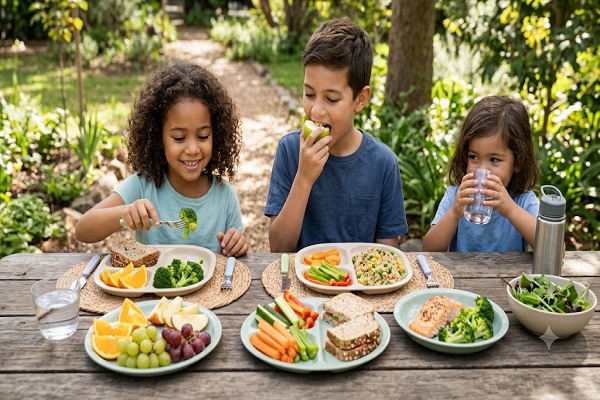
Healthy eating plays an important role in the physical growth, brain development and overall well-being of children. During childhood, the body needs essential nutrients to develop strong bones, healthy muscles, a good immune system and proper brain function. Developing healthy food habits at an early age can also help children maintain a balanced lifestyle as they grow older.
However, encouraging children to eat nutritious food can sometimes be challenging, especially when they prefer packaged snacks, chocolates, sugary drinks and fast food. Parents can make a difference by introducing a variety of healthy foods, maintaining regular meal timings and creating a positive eating environment at home.
Here are some important healthy eating habits that parents can encourage to support children's growth and development.
1. Include a Variety of Foods in Daily Meals
Children need different nutrients from various food groups to support their development. Providing a variety of foods helps ensure that they receive essential vitamins, minerals, proteins, carbohydrates and healthy fats.
A balanced daily diet should include:
Fruits and vegetables for vitamins, minerals and fibre.
Milk, curd and paneer for calcium and protein.
Dal, beans, pulses and eggs for protein and other nutrients.
Rice, wheat, millets and whole grains for energy.
Nuts and seeds for healthy fats and essential minerals.
Parents should try to include different colours, textures and flavours in meals to make healthy eating more interesting.
2. Never Skip Breakfast
Breakfast is an important meal for growing children because it provides energy after a night's sleep. A nutritious breakfast can help children stay active, concentrate better and participate in school activities.
Some healthy breakfast options include:
Vegetable poha
Idli and sambar
Vegetable upma
Moong dal chilla
Whole-wheat vegetable sandwiches
Milk with homemade vegetable paratha
Parents should avoid making breakfast a rushed activity. Giving children enough time to eat before leaving for school can help establish a regular morning routine.
3. Encourage Children to Eat Fresh Fruits and Vegetables
Fruits and vegetables provide essential vitamins, minerals, antioxidants and dietary fibre. These nutrients support digestion, immunity and overall development.
Parents can include seasonal fruits such as bananas, apples, oranges, papayas, guavas and mangoes in children's daily diets, depending on availability.
Vegetables such as carrots, spinach, peas, beans, pumpkin, beetroot and broccoli can be added to different meals.
If children are reluctant to eat vegetables, parents can try:
Adding finely chopped vegetables to parathas and dosa.
Preparing colourful vegetable pulao.
Serving fruit pieces as an evening snack.
Making homemade vegetable soups.
Allowing children to choose fruits and vegetables while shopping.
Making fruits and vegetables visually appealing can encourage children to try new foods.
4. Include Protein-Rich Foods for Growth
Protein is essential for building and repairing body tissues, supporting muscle development and maintaining healthy growth.
Children should receive adequate protein through their daily meals. Good protein sources include milk, curd, paneer, dal, chickpeas, kidney beans, soy products, nuts and seeds. Eggs, fish and meat can also provide protein for families that include these foods in their diet.
For vegetarian children, combining different protein sources throughout the day is particularly important.
For example, parents can serve dal with rice, curd with chapati, paneer with vegetables or sprouts as an evening snack.
5. Make Water the Preferred Drink
Staying hydrated is important for digestion, temperature regulation and normal body functions. Children who play outdoors, participate in sports or remain physically active need regular access to drinking water.
Parents should encourage children to drink water throughout the day rather than depending mainly on packaged juices, soft drinks or sweetened beverages.
Some useful hydration habits include:
Giving children a water bottle for school.
Offering water after outdoor activities.
Serving water with meals.
Offering water regularly during hot weather.
Fresh whole fruits are generally a better everyday choice than fruit juices because they provide fibre along with natural nutrients.
6. Limit Packaged Snacks and Sugary Foods
Chips, biscuits, chocolates, candies, packaged noodles and sugary drinks are commonly preferred by children. However, frequent consumption of foods high in added sugar, salt and unhealthy fats can affect overall diet quality.
Parents do not need to completely ban children's favourite foods. Instead, they should encourage moderation and make nutritious homemade snacks easily available.
Some healthier snack alternatives include:
Roasted chana
Homemade popcorn with limited salt
Fruit bowls
Vegetable sandwiches
Homemade dhokla
Roasted makhana
Boiled sweet corn
Homemade paneer rolls
Keeping nutritious snacks accessible can help children make better food choices.
7. Maintain Regular Meal Timings
Following regular meal timings helps children develop a healthy eating routine. Long gaps between meals may make children excessively hungry and encourage unhealthy snacking.
A simple daily eating schedule can include:
Breakfast before school.
A healthy mid-morning snack.
Lunch with a balance of food groups.
An evening snack after school.
Dinner at a regular time.
Meal schedules should be adjusted according to the child's age, activity level, appetite and family routine.
Parents should also avoid forcing children to finish everything on their plates. Children should be encouraged to recognise their hunger and fullness signals.
8. Encourage Healthy Eating Through Family Meals
Children often learn eating habits by observing their parents and other family members. When the entire family eats nutritious meals together, children are more likely to develop positive food preferences.
Family meals also provide an opportunity for parents to introduce new foods and discuss their nutritional benefits.
Parents can make mealtimes enjoyable by:
Eating together whenever possible.
Avoiding mobile phones and television during meals.
Offering age-appropriate food choices.
Encouraging children to try new dishes.
Avoiding criticism when children dislike a particular food.
A relaxed eating environment can help children build a healthier relationship with food.
9. Avoid Excessive Screen Time During Meals
Watching television or using mobile phones while eating can distract children from their food. They may eat without paying attention to hunger and fullness signals.
Parents should encourage screen-free meals and allow children to focus on their food.
Instead of using mobile phones to distract children during meals, parents can talk about their school activities, favourite games or daily experiences.
Developing this habit can support mindful eating and better family communication.
10. Encourage Physical Activity Along With Healthy Eating
Healthy eating and physical activity work together to support children's development. Regular movement helps strengthen bones and muscles, supports heart health and improves coordination.
Children should be encouraged to participate in activities such as:
Cycling
Running and outdoor games
Swimming
Dancing
Skipping
Playing football or badminton
The World Health Organization recommends that children and adolescents aged 5–17 years get an average of at least 60 minutes of moderate-to-vigorous physical activity per day across the week.
Parents should also ensure that children receive adequate sleep and time for rest.
Common Mistakes Parents Should Avoid
While encouraging healthy eating, parents should also avoid some common mistakes that may affect children's food habits.
Forcing children to eat when they are already full.
Offering sweets or chocolates as rewards for finishing meals.
Replacing regular meals with packaged snacks.
Giving sugary beverages frequently.
Comparing one child's eating habits with another child's.
Ignoring food allergies or digestive discomfort.
Following restrictive diets without professional guidance.
If a child has poor appetite, persistent digestive problems, unusual tiredness, poor growth or suspected nutritional deficiencies, parents should consult a paediatrician.
Conclusion
Healthy eating habits during childhood provide a strong foundation for lifelong health. A balanced diet containing fruits, vegetables, whole grains, protein-rich foods and dairy or suitable alternatives can support children's growth and development.
Parents play an important role in shaping food preferences through everyday choices and family routines. Introducing nutritious meals gradually, limiting highly processed foods, encouraging physical activity and making family mealtimes enjoyable can help children develop a positive relationship with food.
Rather than focusing on strict food rules, parents should aim to create a balanced, enjoyable and consistent eating routine that supports their child's nutritional needs at every stage of growth.