Helmet Buying Guide: Safety Ratings, Fit and Comfort
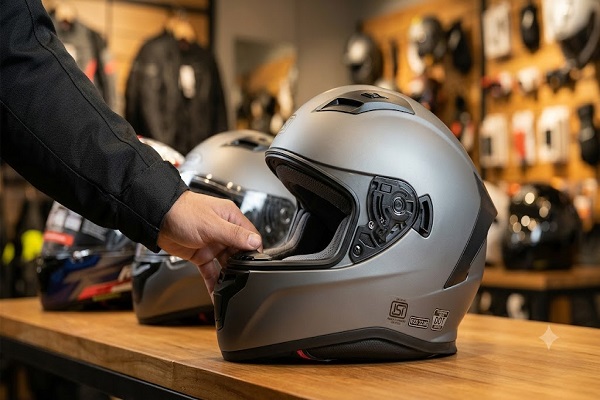
A helmet is one of the most important safety accessories for every motorcycle and scooter rider. Whether you commute daily, travel long distances or enjoy weekend rides, choosing the right helmet can help reduce the risk of serious head injuries in an accident. However, not every helmet offers the same level of protection, comfort or durability.
Before purchasing a helmet, riders should consider safety certifications, the correct fit, ventilation, weight and the type of riding they do. Here is a practical guide to help you choose the right helmet in India.
1. Understand Helmet Safety Ratings
Safety certification should be your first consideration when buying a helmet. A helmet that looks stylish may not necessarily provide adequate protection.
ISI certification: In India, look for the applicable BIS certification and ISI mark for motorcycle helmets. Check that the certification details are genuine and match the helmet model.
ECE certification: The European ECE 22.06 standard includes testing for impact protection and other safety requirements. It is particularly relevant for riders considering internationally certified helmets.
DOT certification: The US Department of Transportation's FMVSS No. 218 standard establishes requirements for motorcycle helmets sold for road use in the United States.
Always verify that the helmet meets the requirements applicable to your location. A certification logo alone should not replace checking the product's authenticity.
2. Choose the Right Helmet Type
Different helmet designs offer different levels of coverage and convenience.
Full-face helmet: Covers the head, chin and jaw area. It is a good choice for daily commuting, highway travel and long-distance riding.
Open-face helmet: Covers the top and sides of the head but leaves the face exposed.
Modular helmet: Features a movable chin bar. Check whether it is approved for use in both open and closed positions.
Half helmet: Provides less facial coverage and is generally less protective than a full-face design.
For riders who prioritise protection, a properly certified, well-fitting full-face helmet is generally the preferred option.
3. Check the Helmet Fit
A helmet must fit securely to provide effective protection. A loose helmet can shift during an impact, while an excessively tight one can cause discomfort and headaches.
Follow these steps when trying on a helmet:
Measure your head circumference just above the eyebrows and ears.
Compare the measurement with the manufacturer's size chart.
Put on the helmet and fasten the chin strap securely.
Check that the helmet feels snug without causing painful pressure points.
Move your head from side to side. The helmet should move with your head rather than slide independently.
Check for excessive movement when gently trying to roll the helmet forward or backward.
Do not choose a larger helmet simply because it feels easier to put on. Interior padding can compress with use, so the initial fit matters.
4. Prioritise Comfort and Ventilation
Comfort is especially important for riders who spend hours on the road. A helmet that is uncomfortable may distract the rider or encourage them to remove it during a journey.
Look for these features:
Ventilation: Air vents can help reduce heat and moisture inside the helmet.
Weight: Choose a helmet that feels balanced and does not create excessive neck strain.
Padding: Removable, washable liners can make maintenance easier.
Visor quality: A clear, scratch-resistant visor improves visibility. Use an appropriate visor or eyewear for bright conditions.
Noise management: Good aerodynamic design and a suitable fit can help reduce wind noise, although no helmet eliminates it completely.
Try the helmet on for several minutes before buying it to identify uncomfortable pressure points.
5. Check the Chin Strap and Retention System
The retention system keeps the helmet in place during an accident. Even a high-quality helmet may not protect you properly if the strap is loose or incorrectly fastened.
Check that the strap is strong, undamaged and easy to secure. Once fastened, it should fit snugly beneath your chin without restricting breathing or swallowing.
Always fasten the chin strap before riding, even when travelling a short distance.
6. Inspect the Visor and Visibility Features
A clear field of vision is essential for safe riding. Before purchasing a helmet, check that the visor opens and closes smoothly and does not distort your view of the road.
Consider the following:
Choose a clear visor for night riding.
Keep the visor clean and replace it if it becomes deeply scratched.
Check that the visor mechanism locks securely.
Avoid dark-tinted visors in low-light conditions.
Consider anti-fog features if you frequently ride in humid or rainy weather.
Reflective details can improve visibility to other road users, particularly at night.
7. Understand Helmet Replacement and Maintenance
Helmets can deteriorate through regular use, exposure to sunlight, wear and accidental damage.
Replace a helmet after a significant impact or crash, even if there are no visible cracks. The impact-absorbing liner may be damaged internally.
For routine care:
Clean the shell with products recommended by the manufacturer.
Wash removable liners according to the care instructions.
Avoid harsh chemicals that may damage the shell or liner.
Store the helmet away from excessive heat and direct sunlight.
Follow the manufacturer's guidance on service life and replacement.
Do not buy a used helmet unless its history and condition can be reliably established.
8. What Is the Right Budget for a Helmet?
Helmet prices vary depending on certification, construction, design and additional features. Instead of selecting a helmet based only on price or appearance, compare genuine certification, fit, build quality and after-sales support.
A basic helmet that meets applicable safety requirements and fits correctly is a better choice than an expensive helmet that fits poorly or has questionable certification.
Conclusion
Choosing the right motorcycle helmet involves more than selecting a colour or design. Riders should prioritise genuine safety certification, a secure fit, adequate head and facial coverage, comfortable padding and good visibility.
Before making a purchase, try on the helmet, fasten the strap and inspect the certification details. Most importantly, wear the helmet correctly on every ride. A well-chosen helmet is an essential investment in your safety on Indian roads.