Higher U.S. Soybean Output Boosts Oilseed Supply Outlook by Amit Gupta, Kedia Advisory
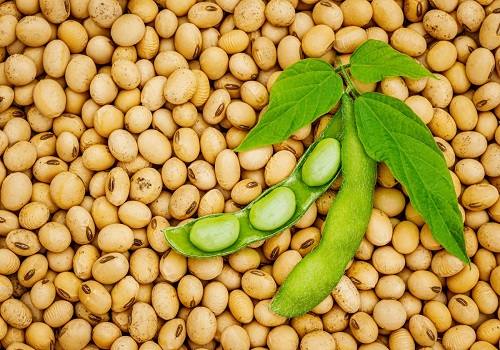
U.S. 2026/27 oilseed production is projected at 132.7 million tons, up 1.1 million, supported by higher soybean output. Soybean production rises 44 million bushels to 4.5 billion on increased harvested area, despite a slightly lower yield forecast of 52.7 bushels per acre. Soybean crush is raised 30 million bushels to 2.78 billion, supported by strong margins and demand for meal and oil. Meal exports increase 0.7 million short tons to 22.7 million, while soybean exports remain unchanged. Ending stocks rise 10 million bushels to 320 million. Globally, soybean stocks increase marginally to 124.2 million tons amid higher production and crush.
Key Highlights
- U.S. 2026/27 oilseed production rises 1.1 million tons to 132.7 million tons.
- U.S. soybean output increases 44 million bushels to 4.5 billion on higher harvested area.
- U.S. soybean crush rises 30 million bushels to 2.78 billion amid robust margins and demand.
- Soybean meal exports increase 0.7 million short tons to 22.7 million on stronger global demand.
- Global soybean ending stocks edge higher to 124.2 million tons amid increased production and crush.
U.S. soybean prices are likely to remain range-bound as higher production and supplies offset stronger domestic processing demand. The USDA raised 2026/27 U.S. oilseed production by 1.1 million tons to 132.7 million, largely reflecting increased soybean output. Soybean production is projected at 4.5 billion bushels, up 44 million from the previous forecast, as harvested area rises 1.4 million acres to 85.8 million. The increase in area more than offsets a modest reduction in yield, now forecast at 52.7 bushels per acre.
Higher soybean availability has also supported a stronger domestic crush outlook. U.S. soybean crush is raised by 30 million bushels to 2.78 billion, driven by robust processing margins and stronger demand for soybean meal and oil. Soybean meal exports are increased by 0.7 million short tons to 22.7 million, reflecting stronger global demand from markets including the Philippines, Mexico, Thailand, Turkey, the EU and Ecuador. Soybean oil domestic use is also raised following stronger demand in the previous marketing year.
Despite higher supplies, U.S. soybean exports remain unchanged, while ending stocks rise 10 million bushels to 320 million. The season-average soybean farm price remains unchanged at $11.40 per bushel, while soybean meal and oil prices are projected at $310 per short ton and 70 cents per pound, respectively.
Outside the U.S., global oilseed production is slightly lower as reduced soybean and sunflowerseed output offsets higher canola and cottonseed production. Ukraine soybean production is reduced on lower reported acreage, while EU sunflowerseed output falls due to hot and dry conditions.
Canada's canola production is raised 0.5 million tons to 22.5 million on improved yields. Globally, soybean production and crush increase, while exports remain unchanged. Global ending stocks rise slightly to 124.2 million tons, indicating a broadly comfortable supply outlook.
Higher U.S. soybean production and global stocks cap upside potential, while strong crush margins and meal demand provide underlying price support.
Above views are of the author and not of the website kindly read disclaimer