Home EV Charging: What You Need to Know
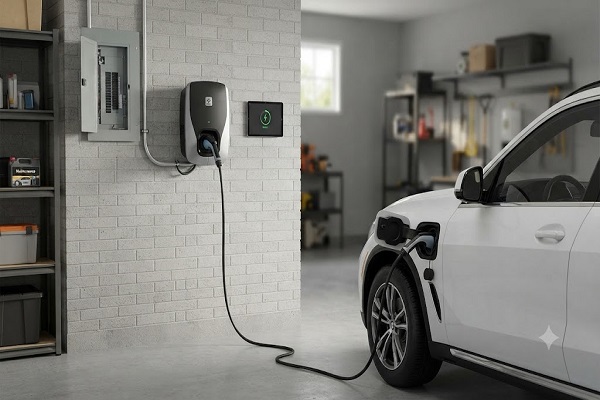
Electric vehicles (EVs) are becoming increasingly popular, and one of their biggest advantages is the convenience of charging at home. Instead of regularly visiting a public charging station, EV owners can charge their vehicles overnight or whenever the car is parked at home.
However, setting up home charging requires some planning. From choosing the right charger to understanding electricity requirements and safety, here are the key things you should know.
1. Understand Your Charging Options
EVs can generally be charged using different types of charging equipment. A basic household electrical outlet may provide slower charging, while a dedicated home wall charger can deliver power more quickly.
The appropriate option depends on your vehicle, daily driving distance, available electrical capacity, and charging requirements.
2. Check Your Home’s Electrical Capacity
Before installing a dedicated EV charger, it is important to check whether your home's electrical system can safely handle the additional load.
A qualified electrician can assess the wiring, electrical panel, grounding, and available capacity. If upgrades are required, they should be completed before regular EV charging begins.
3. Choose the Right Charger
Not every charger is suitable for every EV. Check your vehicle manufacturer's recommendations and the charging connector supported by your car.
A dedicated home charger may be a worthwhile investment for people who drive regularly and want faster, more convenient charging.
4. Think About Where to Install the Charger
The location of the charger matters. Ideally, it should be installed in a convenient parking area where the charging cable can easily reach the vehicle.
For outdoor installations, make sure the equipment is specifically designed and rated for outdoor use and is protected from environmental conditions.
5. Follow Electrical Safety Precautions
EV charging involves substantial electrical power, so safety should always be a priority. Avoid using damaged cables, loose connections, unsuitable extension cords, or makeshift wiring.
Installation should be carried out by a qualified professional according to applicable electrical standards and the charger's manufacturer instructions.
6. Consider Charging Time
Charging time depends on the vehicle's battery capacity, the charger's power output, the vehicle's onboard charging capability, and the battery's current charge level.
For many EV owners, overnight charging is convenient because the vehicle can be ready for the next day's journey without requiring a separate trip to a charging station.
7. Monitor Electricity Consumption
Home EV charging will increase household electricity consumption. Understanding your electricity tariff and typical charging requirements can help you estimate the additional cost.
Some EV chargers and vehicle apps also provide information about charging sessions and energy usage, making it easier to monitor consumption.
8. Take Advantage of Smart Charging
Some modern home chargers offer smart features such as scheduled charging, remote monitoring, and energy management. Scheduled charging can allow you to charge at times that suit your electricity plan or household energy usage.
If your home has solar panels, you may also be able to coordinate EV charging with solar generation, depending on your setup and equipment.
9. Keep the Charging Equipment Maintained
Regularly inspect the charging cable, connector, and visible equipment for signs of damage or wear. Keep connectors clean and dry and follow the manufacturer's maintenance instructions.
If you notice overheating, unusual smells, damaged cables, repeated charging interruptions, or other abnormal behaviour, stop using the equipment and seek professional assistance.
10. Have a Backup Plan
Home charging can cover most everyday driving needs, but longer journeys may require public charging. Before taking a road trip, check the availability and location of compatible charging stations along your route.
Having both home and public charging options can make EV ownership more convenient.
Final Thoughts
Home EV charging can make electric-vehicle ownership much easier by allowing you to recharge while the vehicle is parked. However, choosing the right equipment and ensuring that the electrical installation is safe are essential.
Before installing a charger, check your EV manufacturer's recommendations, assess your home's electrical capacity, and use a qualified professional for installation. With the right setup, home charging can become a simple and convenient part of your everyday routine.