How a Power Bank Can Make Everyday Travel More Convenient
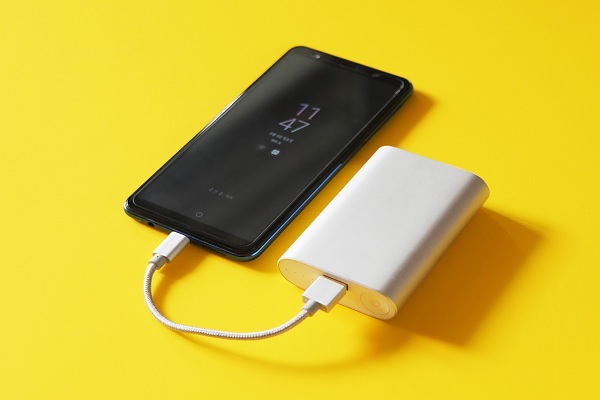
Smartphones are used for navigation, digital payments, photography, communication, and entertainment throughout the day. When the battery runs low away from home, completing even simple tasks can become inconvenient. A power bank offers a practical way to recharge devices without needing access to a wall socket.
One of the main advantages of a power bank is portability. Compact models can fit into a backpack, handbag, or travel pouch, making them useful for office commutes, shopping trips, and long journeys. Having backup power can be especially helpful when travelling to unfamiliar places or spending several hours outdoors.
Choosing the right power bank depends on individual needs. Capacity, charging speed, size, and compatibility are important factors to consider. A higher-capacity model can generally provide more charging potential, although the actual number of charges depends on factors such as energy conversion losses and the phone's battery size.
The ports and supported charging standards also matter. Some power banks support faster charging for compatible devices, while others provide basic charging speeds. Checking the manufacturer's specifications helps ensure that the power bank works properly with the devices being used.
Safe usage should not be overlooked. It is best to buy products from reputable manufacturers, use compatible cables, and avoid using a power bank that is swollen, damaged, or unusually hot. Keeping it away from excessive heat can also help maintain its condition.
A power bank does not need to be the largest or most expensive option to be useful. By choosing a model that suits daily charging needs and carrying it when necessary, people can make their digital routines more convenient and stay connected while away from a power source.