How Car Safety Ratings Are Determined
When people compare cars, safety ratings are often an important part of the decision. These ratings are based on controlled tests designed to evaluate how well a vehicle protects its occupants and, depending on the testing program, vulnerable road users such as pedestrians.
A safety rating is not simply a measure of how strong a car looks. It is the result of several tests and assessments covering different aspects of vehicle safety.
What Are Car Safety Ratings?
Car safety ratings are generally provided by independent crash-testing organizations. These organizations put vehicles through standardized tests and evaluate their performance using predetermined criteria.
Different testing programs can use different test methods, scoring systems, and safety requirements. Because of this, ratings from different organizations should not always be compared directly without understanding their testing procedures.
Crash Tests Are a Major Part of the Evaluation
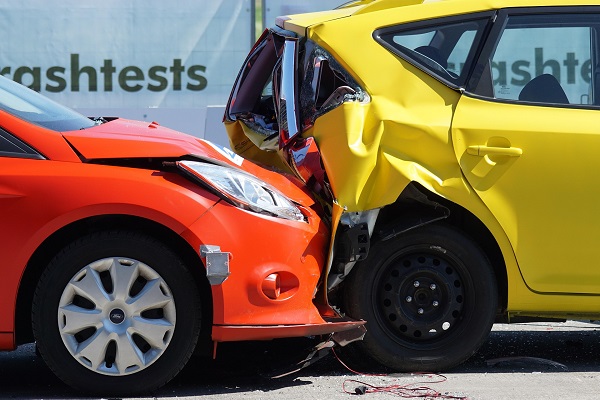
One of the most important parts of vehicle safety testing is the crash test. A vehicle may be subjected to different types of collisions designed to represent common accident scenarios.
Test results can show how the passenger compartment behaves during a crash, how much impact reaches occupants, and how effectively restraint systems work.
Frontal Impact Testing
Frontal crashes are commonly assessed because they can place significant forces on occupants. During testing, instruments and crash-test dummies are used to measure factors such as movement and forces affecting different parts of the body.
The vehicle's structural performance is also examined to understand how well the passenger area remains intact.
Side Impact Testing
Side collisions can be particularly challenging because there is less vehicle structure between an occupant and the other vehicle or object.
Side-impact tests assess how well the vehicle's structure, airbags, seats, and restraint systems protect occupants during such collisions.
Rear Impact and Whiplash Protection
Some safety programs also evaluate protection against injuries that can occur during rear-end collisions. Head restraints and seat designs are assessed to determine how effectively they can reduce excessive movement of the head and neck.
The quality of a vehicle's seat and head-restraint design can therefore contribute to its overall safety assessment.
Pedestrian and Vulnerable Road User Protection
Modern safety assessments may also examine what happens when the front of a vehicle strikes a pedestrian or another vulnerable road user.
The design of the bonnet, bumper, front-end structure, and other components can influence the severity of potential injuries.
Crash-Test Dummies Provide Important Data
Crash-test dummies are equipped with sensors that record forces and movements during collisions. Different parts of the dummy can provide data about potential injuries to areas such as the head, chest, neck, and legs.
This information helps testing organizations evaluate occupant protection in a controlled and repeatable way.
Seat Belts and Airbags Matter
A strong vehicle structure alone does not determine its safety performance. Seat belts, airbags, pretensioners, load limiters, and other restraint technologies play an important role.
Testing evaluates how these systems work together to control occupant movement and reduce injury risk.
Active Safety Technology Can Affect Ratings
Many modern rating programs also consider technologies designed to help prevent crashes.
Depending on the program, systems such as autonomous emergency braking, lane-support technologies, speed assistance, blind-spot monitoring, and other driver-assistance features may be assessed.
Their availability as standard or optional equipment can also influence how a vehicle is evaluated.
Child Occupant Protection
Some testing programs assess how effectively a vehicle can protect children. This can involve examining child restraint compatibility, attachment systems, seating positions, and protection in simulated crashes.
A vehicle's family-oriented safety performance therefore involves more than the protection provided to adult occupants.
Safety Ratings Are Based on Specific Protocols
It is important to understand that a safety rating applies to the vehicle under a particular testing protocol.
Testing procedures can change over time as accident data, technology, and safety research develop. A rating from one testing period may therefore not be directly equivalent to a rating awarded under a newer protocol.
More Stars Do Not Tell the Whole Story
A higher star rating can provide a useful summary, but it should not be the only information considered.
Looking at the individual areas of performance can provide more context. Two vehicles with similar overall ratings may perform differently in areas such as adult protection, child protection, pedestrian protection, or crash-avoidance technology.
Standard Equipment Matters
When comparing safety ratings, it is useful to check which safety features were included in the tested vehicle.
A feature offered only as an optional extra may not be available on every version of the car. Buyers should therefore check the equipment list for the specific variant they are considering.
Why Independent Testing Matters
Independent crash testing provides consumers with information that may not be obvious from a vehicle's appearance or marketing material.
Standardized tests make it easier to evaluate important aspects of vehicle safety under controlled conditions and encourage manufacturers to improve structural design and safety technology.
Conclusion
Car safety ratings are determined through a combination of crash tests, occupant-protection assessments, safety-technology evaluations, and other standardized checks. Crash-test dummies, vehicle sensors, structural analysis, and controlled testing procedures help researchers understand how a vehicle may perform in different accident scenarios.
For buyers, the most useful approach is to look beyond the overall star rating and understand the individual areas being tested, the testing protocol used, and the safety equipment available on the specific vehicle variant.