How Hand Hygiene Helps Reduce Infection Spread
Our hands come into contact with phones, door handles, desks, food, public surfaces, and other people throughout the day. During these activities, germs can get onto our hands and may later reach our eyes, nose, mouth, food, or other people.
Good hand hygiene helps interrupt this chain of transmission. The World Health Organization (WHO) describes hand hygiene as a key measure for preventing the spread of infections, while the Centers for Disease Control and Prevention (CDC) recommends regular handwashing as an important way to reduce the spread of respiratory and diarrheal illnesses.
How Germs Spread Through Hands
Germs can move between people and surfaces in several ways. Someone may cough or sneeze into their hands, touch a contaminated surface, handle food, or touch their face with unwashed hands.
When those hands then touch another person or a commonly used object, germs can potentially be transferred. Hand hygiene helps reduce the amount of contamination on the hands and makes this chain of transmission less likely.
Why Soap and Water Work
Washing with soap and clean, running water does more than simply rinse the hands.
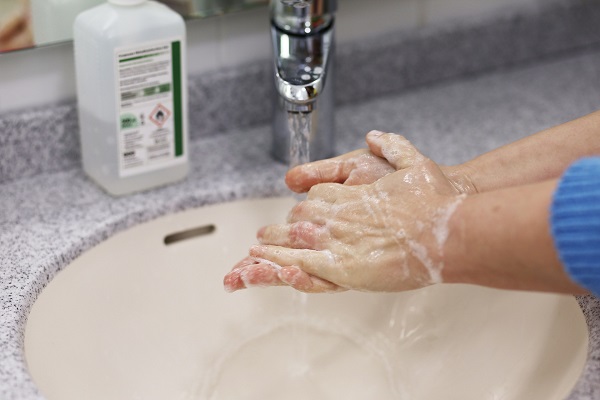
According to the CDC, soap works by helping trap and remove germs, chemicals, and dirt from the skin. Proper washing should cover the palms, backs of the hands, spaces between the fingers, and areas around the fingernails.
The Right Way to Wash Your Hands
Effective handwashing is simple but requires enough time and attention.
First, wet your hands with clean, running water and apply soap. Create a good lather and rub your hands thoroughly, including between your fingers and under your nails. Scrub for at least 20 seconds, rinse well, and dry your hands with a clean towel or allow them to air dry.
When Handwashing Matters Most
Hand hygiene is particularly important at moments when germs are more likely to be picked up or transferred.
These include before preparing or eating food, after using the toilet, after coughing or sneezing, after handling rubbish, after touching animals or animal waste, and before and after caring for someone who is sick. Washing hands before treating a cut or wound is also recommended.
What About Hand Sanitizer?
Soap and water are the preferred option when hands are visibly dirty or when washing facilities are available.
When soap and water are not readily available, the CDC recommends using a hand sanitizer containing at least 60% alcohol. Sanitizer can be useful when travelling, shopping, commuting, or in other situations where a sink is not accessible.
Hand Hygiene in Healthcare Settings
Hand hygiene becomes particularly important in hospitals and other healthcare environments because healthcare workers, patients, and visitors can encounter many potentially harmful microorganisms.
WHO guidance highlights important moments for healthcare workers, including before touching a patient, before clean or aseptic procedures, after exposure to body fluids, after touching a patient, and after touching the patient's surroundings.
WHO also reports that appropriate hand hygiene can prevent a substantial share of avoidable healthcare-associated infections when it is performed correctly and at the right times.
Teaching Children Good Hand Hygiene
Hand hygiene is easier to maintain when it becomes a routine from an early age.
Parents and caregivers can teach children the basic sequence of wetting, lathering, scrubbing, rinsing, and drying. They can also reinforce key moments such as washing after using the bathroom and before eating.
Hand Hygiene at Home
Good hand hygiene is not limited to hospitals. It is useful in everyday household settings as well.
Washing hands before preparing meals, after handling waste, after caring for someone who is ill, and after returning from activities involving potentially contaminated surfaces can help reduce opportunities for germs to spread within the household. WHO's 2025 community hand-hygiene guidance specifically addresses reducing diarrhoeal and acute respiratory infections in household, public, and institutional settings.
Don't Forget Frequently Missed Areas
People sometimes wash their palms quickly while paying less attention to the backs of their hands, thumbs, fingertips, spaces between fingers, and areas around the nails.
A thorough wash should cover all these areas rather than focusing on only the centre of the palms.
Make Hand Hygiene a Habit
The biggest benefit comes from consistency. Keeping soap available near sinks, carrying hand sanitizer when useful, and teaching family members when hand hygiene matters can make the habit easier to maintain.
Good hygiene also works best as part of a broader approach that includes covering coughs and sneezes appropriately and keeping frequently touched surfaces reasonably clean.
The Bottom Line
Hand hygiene is one of the simplest ways to reduce the opportunity for germs to move from surfaces to people and from one person to another.
Regular handwashing with soap and water, proper use of alcohol-based sanitizer when necessary, and attention to important moments throughout the day can support healthier homes, workplaces, schools, and healthcare environments.