How Motorcycle Headlights Improve Visibility During Night Rides
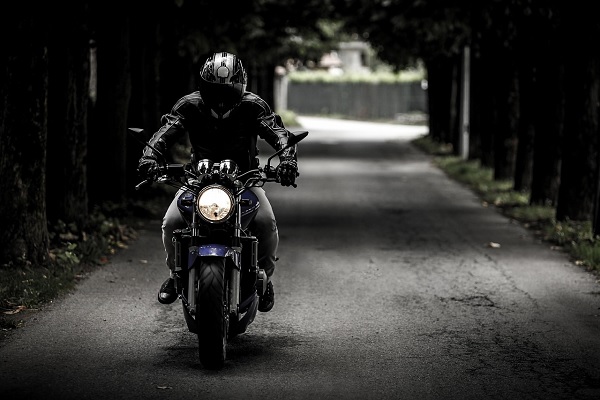
Riding a motorcycle after sunset requires greater attention to the road, surrounding vehicles, and changing visibility conditions. Motorcycle headlights help riders see the road ahead while making the bike more visible to other road users. Understanding how headlights work can help riders make safer decisions during night-time journeys.
Understand Headlight Brightness
Motorcycle headlights are designed to illuminate the road ahead without unnecessarily dazzling oncoming traffic. Their effectiveness depends on factors such as bulb type, lens condition, beam pattern, and correct alignment.
A brighter headlight is not always a better choice. Excessive or poorly directed light can make it harder for other drivers to see clearly, so replacement bulbs should be compatible with the motorcycle's lighting system.
Know the Difference Between High and Low Beams
Low beams provide forward illumination while helping limit glare for oncoming traffic. High beams illuminate a greater distance and can be useful on dark roads when there is no approaching traffic.
Riders should switch to low beams when approaching other vehicles or following traffic closely. Using the appropriate beam helps maintain visibility without creating unnecessary discomfort for others on the road.
Check Headlight Alignment Regularly
Even a working headlight may provide poor visibility if its beam points too high or too low. A beam directed too high can dazzle other road users, while one directed too low may leave distant sections of the road poorly illuminated.
Follow the manufacturer's instructions for checking and adjusting alignment. If the headlight appears unusually dim or uneven, inspect the lens and electrical connections or have the lighting system checked by a qualified mechanic.
Keep the Lighting System in Good Condition
Dust, scratches, moisture, and damaged lenses can reduce lighting performance. Riders should keep the headlight lens clean and check that the headlight, tail lamp, brake light, and turn signals function properly.
Electrical problems can sometimes cause flickering or inconsistent illumination. Addressing these issues early can help prevent lighting failures during a journey.
Make Night Riding More Predictable
Good headlights can improve visibility, but they cannot eliminate every risk associated with riding in darkness. Reducing speed, maintaining a safe following distance, wearing appropriate protective gear, and staying alert remain essential.
Regular lighting checks and responsible beam use can help riders prepare for night journeys and make their motorcycles easier for others to see.