How Small Cars Can Be Easier to Park in Crowded Cities
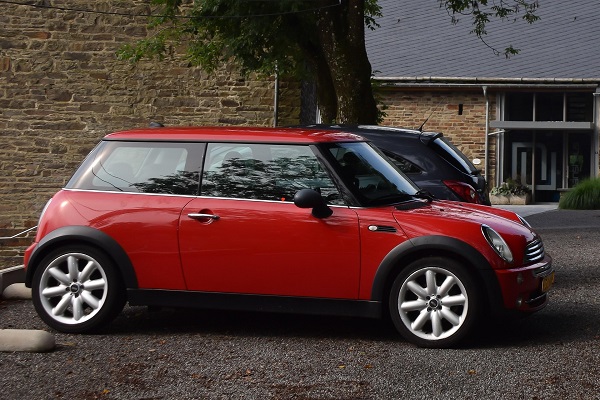
Finding a parking space in a crowded city can be challenging, especially in areas with narrow streets, limited parking facilities and heavy traffic. Small cars can make this everyday task easier because their compact dimensions often allow drivers to fit into spaces that may be unsuitable for larger vehicles. Beyond parking convenience, their size can also make navigating busy urban areas less stressful.
Compact Dimensions Make a Difference
One of the biggest advantages of a small car is its shorter length and narrower body. These dimensions can help drivers use smaller parking spaces in residential streets, shopping areas and crowded neighbourhoods.
While a large vehicle may require additional room at the front and rear, a compact car can sometimes fit into a shorter gap. However, drivers should always ensure that the available space is sufficient and that the vehicle does not obstruct pedestrians or other road users.
Easier Manoeuvring in Tight Spaces
Urban parking areas often have limited room for turning and reversing. Small cars can be easier to manoeuvre in such situations because their compact size may require less space to complete a turn.
This can be particularly helpful in older neighbourhoods, narrow residential lanes and underground parking facilities. A suitable turning radius can also make it easier to position the vehicle when entering or leaving a tight parking spot.
The actual ease of manoeuvring still depends on the car's design, steering system and the driver's experience.
Better Visibility During Parking
Parking involves more than finding an empty space. Drivers must also judge distances, check mirrors and remain aware of nearby vehicles, pillars, walls and pedestrians.
Some small cars have relatively short bonnets and compact rear ends, which can help drivers estimate the vehicle's position. Features such as rear parking sensors, reversing cameras and well-positioned mirrors can make the process easier.
Drivers should not depend entirely on electronic assistance, though. Checking the surroundings and moving slowly remain important when parking in crowded areas.
Convenient for Residential Parking
In many cities, residential parking spaces are limited. Apartment parking areas, older buildings and narrow driveways may have restrictions on the size of vehicles they can accommodate.
A small car can provide greater flexibility in these environments. It may be easier to position within the available space while leaving sufficient room for neighbouring vehicles to enter and exit.
Before purchasing a car, it is worth measuring the parking space at home. Vehicle length, width, door-opening room and driveway access can all affect everyday convenience.
Helpful in Busy Commercial Areas
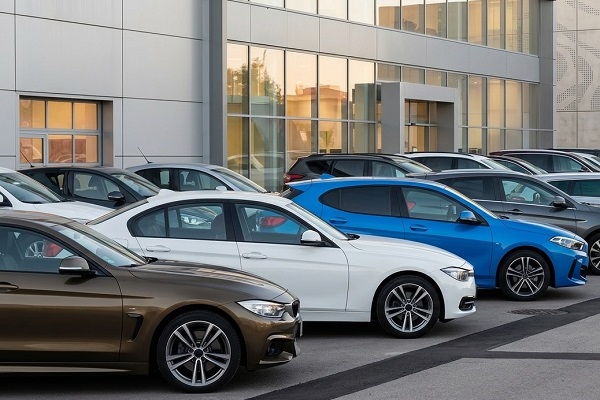
Shopping streets, markets and commercial districts often have high parking demand. Spaces may be closely positioned, making it difficult to park a larger vehicle without requiring extra manoeuvring.
A compact car can be useful in these locations because its dimensions may allow it to use smaller designated spaces. Drivers should still follow marked parking boundaries and avoid blocking entrances, footpaths or emergency access points.
In particularly crowded areas, choosing a designated parking facility may be more practical than searching for roadside space.
Potential Benefits Beyond Parking
Small cars can also be convenient for everyday urban travel. Their compact size may make it easier to navigate narrow roads and crowded residential areas. Depending on the model, they may also offer good fuel efficiency and lower tyre or maintenance costs than some larger vehicles.
However, ownership costs vary considerably. The purchase price, fuel type, mileage, insurance, maintenance requirements and safety equipment should all be considered before choosing a vehicle.
A small car is not automatically the most economical option, but it can be a practical choice for people whose regular journeys involve city traffic and restricted parking.
What to Check Before Buying a Small Car
Before making a decision, consider the typical parking conditions you face. Check the vehicle's dimensions, turning radius, visibility, parking sensors and reversing-camera availability. If possible, take a test drive and practise parking in a space similar to the one you use regularly.
It is also important to consider passenger comfort, luggage capacity, road conditions and safety features. A car that is easy to park should still meet your needs for everyday travel.
Conclusion
Small cars can offer a practical advantage in crowded cities, where parking spaces are often limited and roads can be difficult to navigate. Their compact dimensions may make parking and manoeuvring easier, particularly in residential areas and tight parking facilities.
The best choice depends on more than vehicle size. By considering parking conditions, driving comfort, safety features and running costs together, drivers can select a car that suits their daily urban routine.