How Social Media Affects Everyday Life
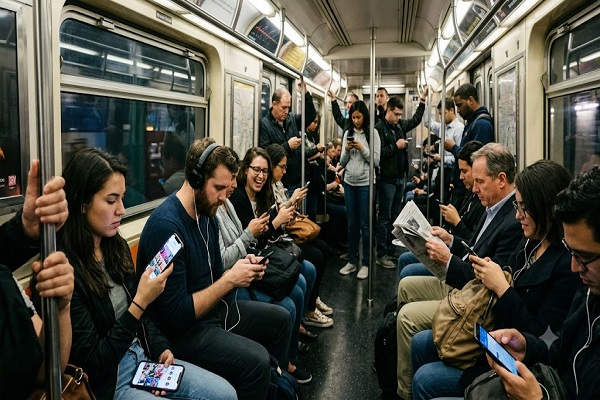
Social media has become a regular part of modern life. People use platforms to communicate with friends, follow news and trends, watch entertainment, learn new skills, shop for products, and share their experiences.
While social media can make everyday life more convenient and connected, excessive or unhealthy use can also affect habits, relationships, productivity, and well-being. Understanding both sides can help people build a healthier relationship with social media.
1. Makes Communication Easier
Social media allows people to stay connected regardless of distance. Friends and family members can share messages, photos, videos, and updates instantly.
For people who live far away from loved ones, social platforms can make maintaining relationships easier.
2. Changes How People Consume Information
Many people now discover news, trends, opinions, and educational content through social media. Instead of actively searching for information, users often encounter it while scrolling through their feeds.
This can make information more accessible, but it also means users need to be careful about misinformation and unreliable sources.
3. Influences Shopping Decisions
Social media has changed the way people discover and research products. Reviews, influencer recommendations, advertisements, and short-form videos can influence purchasing decisions.
While this can help consumers discover useful products, constant exposure to promotions can also encourage impulse buying.
4. Affects Daily Productivity
Checking social media occasionally may seem harmless, but frequent notifications and endless scrolling can interrupt work, studies, and household activities.
Constant switching between tasks and social apps can make it harder to maintain focus. Turning off unnecessary notifications and setting specific times for social media can help improve concentration.
5. Creates New Learning Opportunities
Social media is not only about entertainment. People can find educational videos, tutorials, professional advice, language-learning content, fitness information, and other useful resources.
Following reliable creators and organisations can turn social media into a valuable learning tool.
6. Influences Lifestyle Choices
Social media frequently showcases fashion, travel, food, fitness, home design, and other lifestyle trends. Seeing these ideas can inspire people to try new activities or develop new interests.
However, online content often represents a carefully selected version of someone's life. Comparing everyday reality with highly edited online content can create unrealistic expectations.
7. Can Affect Mental Well-Being
Social media experiences can vary from person to person. Positive interactions may help people feel connected, while negative comments, online arguments, cyberbullying, or constant comparison can contribute to stress.
Taking regular breaks and limiting exposure to content that consistently makes you feel negative can support healthier usage.
8. Changes Social Interaction
Social media has created new ways for people to communicate, but online communication doesn't always replace face-to-face interaction.
Spending too much time online can sometimes reduce time available for conversations, hobbies, outdoor activities, and other real-world experiences. Maintaining a balance between digital and offline relationships is important.
9. Creates Career and Business Opportunities
Social media has become an important platform for professional networking, personal branding, entrepreneurship, and content creation.
Small businesses can reach potential customers, while individuals can showcase their skills and build professional connections.
10. Can Affect Sleep and Daily Routines
Using smartphones and social media late at night can encourage people to stay awake longer than planned. Endless scrolling can make it easy to lose track of time.
Creating a screen-free period before bedtime and keeping phones away from the bed can help establish a more consistent nighttime routine.
How to Build Healthier Social Media Habits
A healthy relationship with social media doesn't necessarily mean quitting it completely. Simple habits can make a difference:
Set daily limits for recreational scrolling.
Turn off unnecessary notifications.
Follow accounts that provide useful or positive content.
Take regular breaks from screens.
Avoid comparing your life with carefully curated online posts.
Verify important information before sharing it.
Keep some time each day for offline activities.
Avoid excessive social media use before sleeping.
Conclusion
Social media has become deeply connected to everyday life, influencing communication, shopping, entertainment, learning, work, and lifestyle choices. Its impact depends largely on how it is used.
Using social media intentionally rather than automatically can help people enjoy its benefits while reducing its potential drawbacks. The goal isn't to disconnect from the digital world completely, but to make sure social media remains a useful part of life rather than controlling everyday routines.