How Technology Is Improving Road Safety
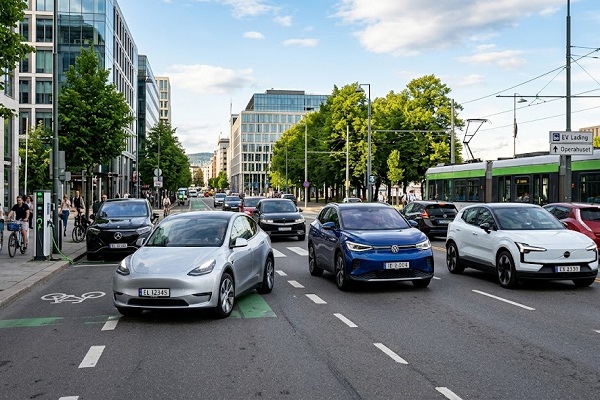
Road safety has always been a major global concern, with millions of accidents occurring each year due to human error, poor infrastructure, and unpredictable road conditions. In recent years, technology has emerged as a powerful force in reducing accidents and making roads safer for drivers, passengers, and pedestrians alike. From advanced vehicle systems to smart infrastructure, innovation is transforming the way we approach road safety.
One of the most significant advancements is the development of Advanced Driver Assistance Systems (ADAS). These systems use sensors, cameras, and radar to help drivers avoid collisions and make better decisions on the road. Features such as lane departure warnings, adaptive cruise control, automatic emergency braking, and blind-spot detection are now becoming standard in many modern vehicles. By providing real-time alerts and even taking corrective action, ADAS significantly reduces the risk of human error.
Another major breakthrough is the rise of autonomous and semi-autonomous driving technologies. While fully self-driving cars are still evolving, many vehicles already offer partial automation that can control steering, acceleration, and braking in specific conditions. These systems are designed to reduce driver fatigue and improve reaction times, especially in heavy traffic or long-distance driving situations.
Smart traffic management systems are also improving road safety in cities. Using connected sensors, cameras, and AI-powered analytics, these systems monitor traffic flow in real time. They can adjust signal timings, detect congestion, and respond quickly to accidents. This helps reduce traffic jams, lowers the risk of collisions, and improves overall road efficiency.
Vehicle-to-everything (V2X) communication is another emerging technology that enhances safety by allowing vehicles to communicate with each other and with infrastructure such as traffic lights and road signs. This real-time exchange of information helps drivers anticipate hazards, avoid sudden stops, and navigate complex traffic environments more safely.
Navigation systems have also become more advanced and safety-focused. Modern GPS applications not only provide directions but also offer real-time traffic updates, accident alerts, and hazard warnings. These tools help drivers choose safer routes and avoid dangerous conditions such as road closures or severe weather.
In addition, wearable technology and mobile applications are contributing to road safety awareness. Apps can monitor driving behavior, detect fatigue, and even discourage distracted driving by limiting phone usage while the vehicle is in motion. Insurance companies are also using telematics devices to encourage safer driving habits by tracking speed, braking patterns, and driving hours.
Infrastructure improvements powered by technology are also making a difference. Smart roads equipped with sensors can detect ice, potholes, or accidents and immediately alert authorities. Better lighting systems, automated surveillance, and connected emergency response systems ensure quicker reaction times during incidents.
Despite these advancements, challenges remain. Technology alone cannot eliminate accidents, as human behavior still plays a critical role. Distracted driving, speeding, and lack of awareness continue to be major causes of road accidents worldwide. Therefore, combining technological solutions with responsible driving habits is essential for achieving meaningful improvements in road safety.
As innovation continues, the future of road safety looks promising. With the integration of artificial intelligence, 5G connectivity, and fully autonomous vehicles, roads are expected to become significantly safer and more efficient. Technology is not replacing human responsibility but enhancing it, creating a smarter and safer driving environment for everyone.
In conclusion, technology is revolutionizing road safety through intelligent systems, real-time communication, and data-driven insights. These advancements are reducing risks, preventing accidents, and paving the way toward a safer transportation future.