How to Buy Fewer but Better Clothes
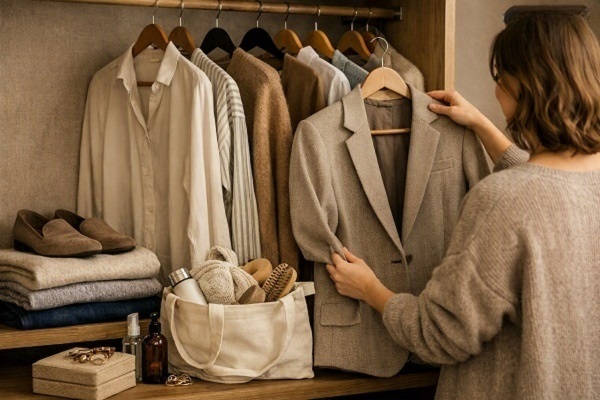
Buying clothes can be exciting, but constantly adding new pieces to your wardrobe can quickly become expensive and frustrating. A closet full of clothes does not always mean you have plenty of outfits to wear. In many cases, having fewer, better-chosen pieces can make getting dressed easier while helping you spend more thoughtfully.
The goal is not to stop shopping altogether. It is to focus on clothing that fits well, works with your existing wardrobe, and remains useful for a long time.
1. Buy With a Purpose
Before purchasing something, ask yourself why you want it. Do you actually need it, or did a trend, discount, or social media post influence the decision?
A simple question such as “What outfits will I create with this?” can prevent unnecessary purchases. Every new item should have a clear place in your wardrobe.
2. Focus on Fit First
Even expensive clothing can look unattractive if it does not fit properly. Pay attention to the shoulders, waist, sleeves, trouser length, and overall shape.
A well-fitting basic piece is often more useful than a trendy item that does not suit your proportions.
3. Check the Fabric
Look at the clothing label before buying. Different fabrics have different levels of comfort, durability, breathability, and care requirements.
For everyday wear, choose materials that feel comfortable and suit your climate and lifestyle. Also consider whether the fabric is likely to become uncomfortable, lose its shape, or require difficult maintenance.
4. Examine the Construction
Look beyond the appearance of a garment. Check the stitching, seams, buttons, zippers, hems, and overall finishing.
Loose threads, uneven stitching, weak buttons, or poorly finished edges can be warning signs that a garment may not hold up well with regular use.
5. Choose Versatile Pieces
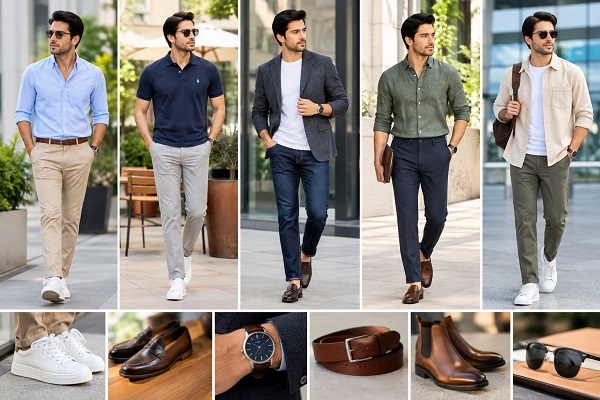
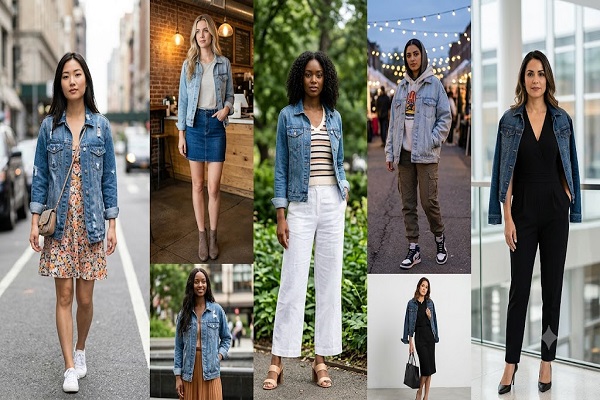
Clothes become more valuable when they work with multiple outfits. Neutral shirts, well-fitting trousers, simple T-shirts, versatile jackets, and classic shoes can often be combined in many ways.
Before buying, think about whether the item works with at least three or four things you already own.
## 6. Avoid Buying Only Because Something Is Cheap
A low price can make a purchase feel like a bargain, but buying several inexpensive items you rarely wear can cost more in the long run.
Instead of asking only, “How cheap is this?” consider asking, “How often will I realistically wear it?”
A useful, frequently worn item may provide more value than several low-cost pieces sitting unused in your closet.
7. Be Careful With Trends
Fashion trends can be fun, but not every trend deserves a permanent place in your wardrobe. Some styles may become less appealing after a season.
You can experiment with trends through a small number of pieces while keeping most of your wardrobe based on styles you genuinely enjoy and wear regularly.
8. Consider Cost Per Wear
One useful way to evaluate a purchase is cost per wear.
For example, imagine a Rs4,000 jacket that you wear 40 times. Its cost per wear is Rs100.
A Rs1,500 jacket that you wear only three times costs Rs500 per wear.
This does not mean expensive clothing is automatically better. It simply encourages you to think about usefulness rather than price alone.
9. Know Your Wardrobe Before Shopping
Take a quick look at what you already own before buying something new. You may discover that you already have similar shirts, trousers, or shoes.
Keeping a basic wardrobe inventory can help you identify genuine gaps instead of buying duplicates.
10. Try Clothes Properly
Do not judge clothing only by how it looks on a hanger. Try it on and move around.
Sit down, walk, raise your arms, and check whether the garment remains comfortable. A piece may look great while standing still but feel restrictive during normal activities.
11. Choose Colors You Actually Wear
Your wardrobe becomes more versatile when the colors work together. Consider buying shades that complement the clothes you already own.
Neutral colors can provide a strong foundation, while a few brighter or more distinctive pieces can add variety.
12. Think About Maintenance
Some clothes look attractive but require frequent special care. Before buying, consider how much time and money you are willing to spend on washing, ironing, dry cleaning, or repairs.
A garment that is easy to maintain may become a much more practical part of your everyday wardrobe.
13. Take Your Time With Bigger Purchases
For expensive clothing, avoid making an immediate decision. Leave the item for a day or two and consider whether you still want it.
This simple pause can help separate a genuine need from an impulse purchase.
14. Shop Less Frequently
Constantly browsing fashion websites and visiting stores can encourage unnecessary spending. Instead, consider shopping when you have identified a specific need.
Fewer shopping trips can make it easier to stay focused on quality and usefulness.
15. Buy for Your Real Lifestyle
Your wardrobe should reflect what you actually do, not an imaginary version of your life.
If you mostly wear casual clothes, buying several formal outfits may not make sense. If you work in an office, invest more in pieces that fit your professional routine.
The best wardrobe is one that matches your daily life.
16. Repair Before Replacing
A missing button, loose seam, or small tear does not always mean a garment needs to be thrown away. Basic repairs can extend the useful life of clothing.
Learning simple repair skills or using a reliable tailor can help you keep good clothes for longer.
17. Avoid Shopping Based on Discounts Alone
“50% off” can create a sense of urgency, but a discount does not turn an unwanted item into a useful one.
A simple rule is: if you would not consider buying the item at its normal price, think carefully before buying it just because it is discounted.
18. Build Around Reliable Basics
A strong wardrobe often begins with dependable essentials. Think about well-fitting everyday T-shirts, shirts, jeans, trousers, comfortable footwear, and versatile outerwear.
Once your basics are covered, you can add more distinctive pieces without creating a cluttered wardrobe.
19. Choose Quality Where It Matters Most
You do not need premium products in every category. Instead, consider spending more selectively on pieces that receive frequent use.
For example, investing in durable everyday footwear or a regularly worn jacket may make more sense than spending heavily on something you wear only a few times a year.
20. Use a Simple Buying Checklist
Before making a purchase, ask:
* Does it fit well?
* Is the fabric comfortable?
* Is it well made?
* Can I create multiple outfits with it?
* Will I actually wear it often?
* Does it suit my lifestyle?
* Do I already own something similar?
* Is the price reasonable for its expected use?
If several answers are no, leaving the item behind may be the smarter choice.
Final Thoughts
Buying fewer but better clothes is less about spending more and more about shopping with intention. Focus on fit, fabric, construction, versatility, comfort, and how often you are likely to wear each piece.
A thoughtful wardrobe does not need to be huge. A smaller collection of clothes that you genuinely like, regularly wear, and can easily combine may give you more value than a closet overflowing with rarely used items.