How to Choose a Family Car

Buying a family car is an important decision because the right vehicle needs to balance comfort, safety, practicality and running costs. A car that looks attractive in a showroom may not necessarily be the right fit for your family's everyday needs.
Before choosing a model, think about how many people will regularly travel in the car, where you will drive it, how much luggage you carry and how much you can comfortably spend.
1. Start With Your Family's Needs
The first step is to understand how the car will actually be used.
A small family that mainly drives around the city may have different requirements from a larger family that regularly takes highway trips.
Think about:
* Number of regular passengers
* Daily city driving
* Highway usage
* Weekend trips
* Luggage requirements
* Parking space
* Expected annual running
This can quickly narrow down the type of car you need.
2. Choose the Right Body Type
Different body styles offer different advantages.
A **hatchback** can be practical for city driving and easier to park, while a **sedan** can offer a comfortable cabin and useful boot space. An **SUV** may provide a higher driving position and flexible space, while a **MPV** can be useful for larger families needing more seating capacity.
There is no single body style that is ideal for every family.
3. Check Seating Capacity
Do not choose a car based only on the number of seats listed in the brochure.
Sit in every seating row and check whether passengers have enough legroom, headroom and shoulder room. For larger families, pay particular attention to the comfort of passengers sitting in the third row.
Also check whether getting into and out of the rear seats is easy for children and older family members.
4. Focus on Safety
Safety should be one of the key factors when selecting a family car.
Check the vehicle's safety equipment, including airbags, anti-lock braking systems, electronic stability control and other driver-assistance features offered on the specific variant.
It is also useful to review independent crash-test results where available. Remember that safety equipment can vary between variants, so compare the exact version you plan to buy.
5. Check Child-Friendly Features
Families travelling with children should pay attention to practical features.
Look for appropriate child-seat mounting provisions, rear-door child locks, easy-to-clean interiors and sufficient rear-seat space.
A wide opening rear door and comfortable access can also make everyday family trips easier.
6. Consider Boot Space
A family car often needs to carry more than just passengers.
Shopping bags, school equipment, luggage, strollers and other items can quickly fill a small boot.
Check the boot in person and consider how much usable space remains when all passengers are seated. If you regularly travel with five or more people, also see how luggage space changes when additional seats are in use.
7. Think About City Driving
For regular urban use, dimensions and manoeuvrability matter.
A car that is easy to turn, park and drive through narrow roads can make everyday use more convenient. Features such as a reversing camera, parking sensors and a 360-degree camera can also help with parking.
Do not choose a larger vehicle simply because it feels more premium if most of your driving happens in crowded city streets.
8. Consider Highway Comfort
Families who frequently travel long distances should pay attention to highway comfort.
During a test drive, evaluate:
* Seat comfort
* Ride quality
* Cabin noise
* Stability at highway speeds
* Rear-seat comfort
* Air-conditioning performance
* Visibility
A car that feels good for a short showroom drive may feel very different after several hours on the road.
9. Choose an Engine and Transmission That Suit You
Engine choice should match your driving pattern.
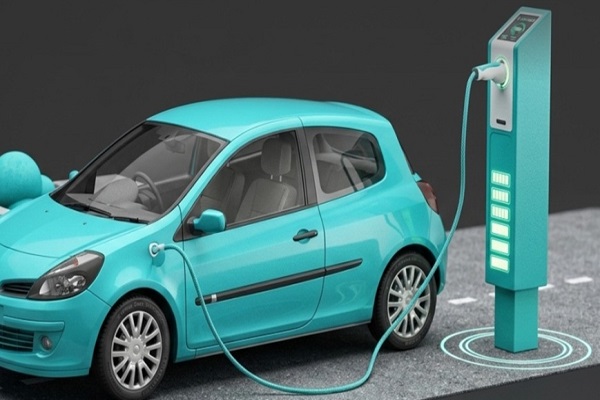
A petrol car may suit families with moderate annual usage, while hybrid and electric options can offer different efficiency and ownership characteristics. Diesel availability and suitability vary by market and usage.
Transmission choice matters too. Manual gearboxes can offer direct control, while automatic options can be more convenient in heavy traffic.
The important thing is to select a powertrain that matches your typical driving conditions rather than choosing based purely on specifications.
10. Compare Fuel and Running Costs
The purchase price is only one part of car ownership.
Consider:
* Fuel or charging costs
* Insurance
* Routine servicing
* Tyres
* Brake components
* Roadside assistance
* Expected resale value
A slightly more expensive car can have a different overall ownership cost depending on how much you drive and how efficiently it uses energy.
11. Check the Car's Ground Clearance and Size
Road conditions can vary considerably.
If you regularly drive on uneven roads, steep ramps or rough surfaces, ground clearance may be an important consideration.
At the same time, a larger vehicle can require more space for parking and manoeuvring. The right balance depends on your local roads and parking situation.
12. Check Air-Conditioning Performance
A family car should keep all passengers comfortable, especially during hot weather.
Check whether the rear passengers receive adequate air circulation and whether the cabin cools down quickly.
Families living in hotter regions may find rear air vents particularly useful.
13. Look at Storage and Practical Features
Small practical features can make a big difference in everyday use.
Check for useful door pockets, cup holders, USB charging ports, storage compartments and adjustable seating.
Features that seem minor during a showroom visit can become valuable when the car is used every day.
14. Consider Maintenance and Service Availability
Before buying a car, research the manufacturer's service network in your area.
A vehicle with convenient service access can make maintenance easier. Also compare typical service costs, warranty coverage and the availability of spare parts.
Do not evaluate a car only on its showroom features. Ownership experience matters just as much.
15. Set a Realistic Budget
Your budget should include more than the vehicle's advertised price.
Account for registration, insurance, financing costs, accessories and other purchase-related expenses. Then consider ongoing costs such as fuel, maintenance and insurance renewals.
Avoid stretching your budget simply to move to a higher variant or larger vehicle.
16. Decide Whether You Need New or Used
A new car offers benefits such as a fresh warranty, newer technology and no previous ownership history.
A used car can provide more features or a larger vehicle for the same budget, but it requires careful inspection.
When considering a used family car, check its service records, accident history, tyres, brakes, battery and overall condition.
17. Take a Proper Test Drive
A test drive should be more than a quick trip around the dealership.
Try the car in conditions similar to your daily routine. Test the front and rear seats, parking visibility, steering, braking, suspension and cabin comfort.
Take family members along when possible. A car that feels comfortable to the driver may not feel comfortable to everyone else.
18. Compare Variants Carefully
Manufacturers often offer multiple variants of the same model.
The lowest-priced version may not include important safety, convenience or comfort features, while the highest version may contain features you do not actually need.
Make a list of must-have features and compare variants based on those requirements.
19. Think About Future Needs
A family car is often kept for several years.
Your family size, travel habits and financial situation may change during that period. Consider whether you may need additional space in the future or whether your annual driving could increase.
Choosing with the next few years in mind can help avoid replacing the vehicle sooner than expected.
20. Don't Ignore Resale Value
Resale value can matter if you plan to sell the car later.
Factors such as brand demand, service history, condition, mileage and market preferences can influence how much a used car is worth.
However, resale value should be considered alongside purchase price, ownership costs and suitability for your family rather than viewed in isolation.
Common Mistakes to Avoid
Some common family-car buying mistakes include:
* Choosing a car based only on appearance
* Ignoring rear-seat comfort
* Not checking boot space
* Focusing only on the ex-showroom price
* Skipping the test drive
* Buying a larger car than necessary
* Ignoring service and maintenance costs
* Choosing a variant without comparing safety features
* Forgetting to consider parking and daily road conditions
A Simple Family Car Checklist
Before making a final decision, ask yourself:
**Is it safe enough for my needs?
Is it comfortable for all regular passengers?
Does it have enough luggage space?
Is it practical for my roads and parking situation?
Can I comfortably afford its purchase and running costs?
Will it continue to meet my family's needs for the next several years?**
If the answer to these questions is satisfactory, you are closer to finding a suitable family car.
Final Thoughts
Choosing a family car is about finding the right balance between safety, comfort, practicality and affordability.
Instead of focusing only on features, consider how the vehicle will fit into your family's real daily life. Compare seating space, safety equipment, luggage capacity, running costs, service support and driving comfort before making a decision.
The best family car is not necessarily the biggest or most expensive one. It is the vehicle that fits your family's needs without creating unnecessary financial or practical compromises.