How to Create a Smart Home on a Budget: A Complete Beginner's Guide
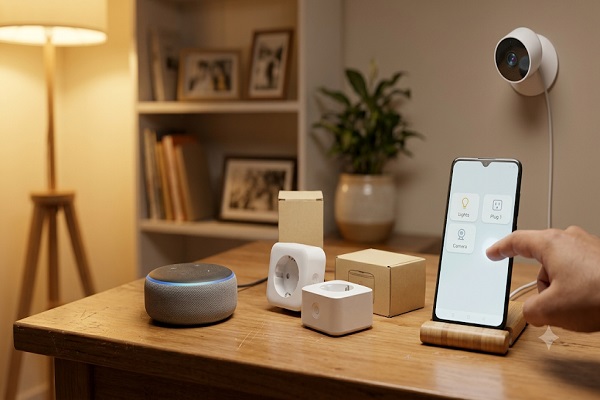
Smart homes are no longer limited to expensive luxury apartments or high-end houses. With affordable smart devices and simple technology, homeowners can make everyday tasks easier, improve convenience and manage household appliances more efficiently without spending a fortune.
From controlling lights through a smartphone to scheduling appliances and monitoring home security, creating a smart home can be surprisingly affordable. The key is to start with essential devices, choose products that work well together and upgrade gradually.
1. Start with Your Smart Home Goals
Before purchasing any gadgets, identify what you want to automate. A smart home does not need dozens of connected devices. Even a few affordable products can make a noticeable difference.
Consider these common goals:
- Convenience: Control lights, fans and appliances remotely.
- Energy efficiency: Schedule devices to avoid unnecessary electricity consumption.
- Security: Monitor entrances and receive alerts about unexpected activity.
- Entertainment: Control televisions and speakers using voice commands.
- Comfort: Create automated lighting routines for different times of the day.
Prioritising your requirements will help prevent unnecessary spending.
2. Invest in Affordable Smart Plugs
Smart plugs are among the easiest and most affordable ways to begin building a smart home. They connect to regular electrical sockets and allow compatible appliances to be controlled through a smartphone app.
You can use smart plugs for:
- Table lamps and decorative lights.
- Compatible fans and small appliances.
- Setting schedules for selected electrical devices.
- Switching compatible appliances on or off remotely.
Before buying, check the plug's maximum power rating and whether it supports your appliance. A smart plug does not automatically make every appliance smart or provide variable-speed control.
3. Upgrade to Smart LED Bulbs
Smart LED bulbs are another budget-friendly upgrade. They allow users to control brightness, switch lights on and off remotely and, depending on the model, change colour temperature or colours.
Useful features include:
- Adjustable brightness.
- Warm and cool lighting options.
- Scheduling and timers.
- Smartphone and voice-assistant control.
Start with one or two frequently used lights instead of replacing every bulb in your home. Check the bulb's fitting, wattage and Wi-Fi compatibility before purchasing.
4. Use a Smart Speaker for Voice Control
A smart speaker can act as a convenient control centre for compatible smart devices. Products such as the Amazon Echo and Google Nest allow users to operate supported devices using voice commands.
You can use a smart speaker to:
- Switch compatible lights on or off.
- Set reminders and alarms.
- Play music and listen to news.
- Control supported smart plugs and appliances.
- Create simple routines.
You do not necessarily need to purchase a smart speaker immediately. Many smart devices can be controlled through their mobile applications.
5. Improve Home Security with Budget Smart Cameras
Home security is another area where affordable technology can be useful. Wi-Fi security cameras allow homeowners to monitor selected areas through a smartphone.
Some models offer:
- Live video streaming.
- Motion detection alerts.
- Night vision.
- Two-way audio.
- Local or cloud video storage.
For better value, compare storage charges, privacy settings, video quality and whether the camera supports local storage. Place cameras carefully and respect the privacy of family members, visitors and neighbours.
6. Automate Your Daily Household Routine
Automation is one of the biggest advantages of a smart home. Instead of manually controlling every device, users can create schedules and routines.
For example:
- Morning routine: Switch on selected lights at a scheduled time.
- Leaving home: Turn off compatible lights and appliances.
- Evening routine: Switch on living-room lights.
- Bedtime routine: Turn off selected lights automatically.
These routines can reduce repetitive tasks and help manage electricity consumption. However, actual savings depend on usage patterns and the devices being controlled.
7. Choose Devices That Work Together
Compatibility is important when building a smart home. Buying devices from different manufacturers without checking their supported platforms can create unnecessary complications.
Before purchasing, check:
- Whether the device works with Android or iOS.
- Whether it supports Alexa or Google Home.
- Whether it requires a separate hub.
- Whether it operates on 2.4 GHz or 5 GHz Wi-Fi.
- Whether multiple devices can be managed through one application.
The Matter smart home standard can also improve compatibility between supported products from different manufacturers.
Avoid These Common Smart Home Mistakes
While shopping for smart home gadgets, avoid spending money on features you may never use.
Keep these points in mind:
1. Do not purchase multiple devices before checking compatibility.
2. Avoid choosing products only because they are inexpensive.
3. Check warranty, customer support and application reviews.
4. Secure your Wi-Fi network with a strong password.
5. Change default device passwords wherever possible.
6. Review camera permissions and data-storage policies.
7. Avoid connecting high-power appliances to plugs that are not rated for them.
8. Keep essential manual switches and controls accessible.
10. Expand Your Smart Home Gradually
The best approach is to start small and add devices as your requirements change. Begin with lighting and smart plugs, then consider security cameras, voice assistants and additional automation.
You can also explore smart doorbells, temperature sensors, smart switches and energy-monitoring devices as your budget allows.
A well-planned smart home is not about owning the maximum number of gadgets. It is about choosing technology that genuinely improves everyday living.
Conclusion
Creating a smart home on a budget is easier than ever. Affordable smart plugs, LED bulbs, security cameras and voice assistants can bring useful automation into an ordinary home without requiring expensive renovations.
By prioritising essential devices, checking compatibility and upgrading gradually, homeowners can build a convenient, secure and energy-conscious living space while staying within their budget.