How to Create Stylish Winter Outfits on a Budget: Smart Fashion Tips for 2026

Winter fashion is often associated with expensive jackets, fashionable boots, woollen sweaters and trendy accessories. However, creating a stylish winter wardrobe does not necessarily require spending a lot of money. With the right clothing combinations, smart shopping choices and a little creativity, anyone can achieve a fashionable winter look without exceeding their budget.
Whether you prefer casual outfits, office wear or traditional clothing, there are plenty of ways to stay warm and look stylish during the winter season. Here are some practical tips to help you create fashionable winter outfits while keeping your expenses under control.
1. Build Your Winter Wardrobe Around Basic Essentials
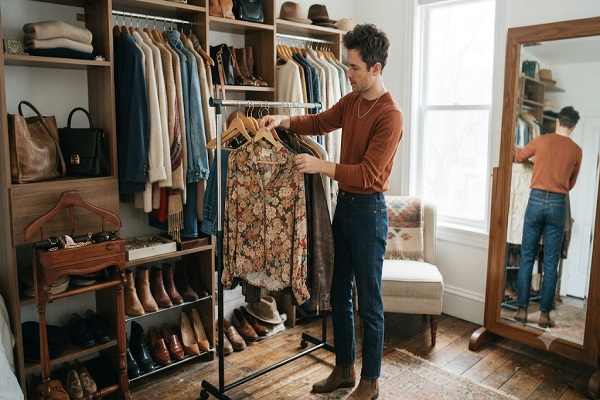
The easiest way to create multiple winter outfits is to invest in a few versatile wardrobe essentials. Instead of purchasing several expensive winter clothes, choose basic pieces that can be styled in different ways.
Some affordable winter wardrobe essentials include:
Basic woollen sweaters in neutral colours
Comfortable hoodies and sweatshirts
A versatile winter jacket
Warm leggings and trousers
Long-sleeved tops and thermal wear
Simple cardigans and scarves
Colours such as black, beige, grey, navy blue and brown are easy to mix and match. These shades can help you create several outfit combinations using fewer clothes.
2. Master the Art of Layering
Layering is one of the most effective ways to make winter outfits look fashionable without buying additional clothing. It also helps you adjust your outfit according to changing temperatures.
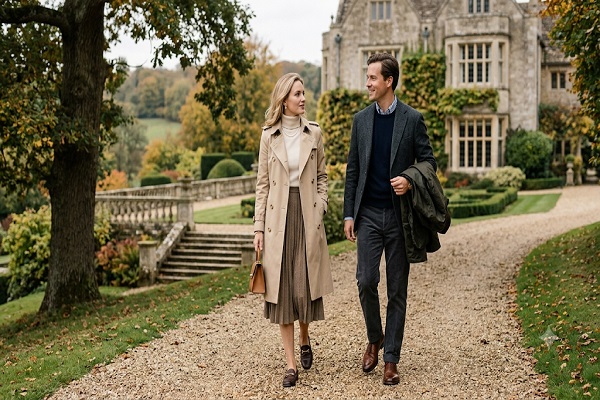
You can wear a basic T-shirt or full-sleeved top underneath a sweater and complete the look with a jacket or cardigan. For a more polished appearance, try layering a shirt under a sleeveless sweater or wearing a long coat over a simple outfit.
For example:
Pair a basic top with a cardigan and jeans.
Wear a shirt underneath a sweater for a smart casual look.
Combine a kurti with a warm jacket and leggings.
Add a scarf to a simple sweater-and-trouser combination.
The key is to combine different textures and clothing lengths without making the outfit look bulky.
3. Reuse Summer and All-Season Clothing
You do not need to replace your entire wardrobe when winter arrives. Many clothes from your existing collection can be styled for colder weather.
Long-sleeved shirts, denim jeans, cotton dresses, kurtis and full-length trousers can easily become part of your winter outfits.
For example, wear a summer dress with a warm cardigan, thermal leggings and ankle boots. Similarly, a regular cotton kurti can be paired with a knitted jacket or shawl.
Reusing existing clothes is an excellent way to refresh your appearance without spending unnecessarily.
4. Choose Affordable Yet Stylish Winter Jackets
A winter jacket can instantly transform a simple outfit. However, branded and designer jackets are not always necessary to achieve a fashionable look.
Look for affordable options such as:
Basic denim jackets for mild winter days
Puffer jackets for colder weather
Fleece jackets for everyday comfort
Long cardigans for casual styling
Lightweight quilted jackets for daily use
Choose a jacket in a neutral shade that complements most of your wardrobe. Before purchasing, check the fabric, stitching, warmth and overall quality to ensure good value for money.
5. Use Accessories to Upgrade Simple Outfits
Accessories can make even the simplest winter clothing look more attractive. You do not need expensive jewellery or designer accessories to achieve a well-styled appearance.
Consider adding:
Woollen scarves and mufflers
Knitted caps and beanies
Simple earrings
Stylish belts
Comfortable gloves
Affordable handbags
A colourful scarf can add personality to a plain sweater, while a belt can give structure to an oversized cardigan or long coat.
Choosing accessories in complementary colours can make your overall appearance look coordinated and fashionable.
6. Explore Thrift Stores and Seasonal Sales
Shopping smartly is an important part of building an affordable winter wardrobe. Thrift stores, local clothing markets, online shopping platforms and end-of-season sales often offer winter clothing at discounted prices.
Before purchasing anything, compare prices across different stores and check whether the product offers good quality.
Keep these shopping tips in mind:
Look for discounts on winter essentials.
Compare prices before ordering online.
Check customer reviews and size charts.
Avoid purchasing clothes simply because they are on sale.
Prioritise comfort, quality and versatility.
Planning purchases in advance can help you avoid unnecessary expenses during peak winter shopping periods.
7. Style Traditional Outfits for Winter
Winter fashion does not have to be limited to Western clothing. Traditional Indian outfits can also look elegant and feel comfortable during colder months.
Women can style kurtis with woollen leggings, layer long cardigans over ethnic outfits or pair sarees with warm blouses and shawls.
For festive occasions, a beautifully styled shawl or embroidered jacket can add an elegant touch to a simple ethnic outfit.
Men can also combine traditional kurtas with Nehru jackets or warm layering pieces for a sophisticated winter appearance.
8. Choose Comfortable and Budget-Friendly Footwear
Footwear plays an important role in completing a winter outfit. While fashionable boots are popular during winter, you do not need several pairs to maintain a stylish appearance.
Consider investing in one versatile pair of ankle boots, comfortable sneakers or closed-toe shoes that complement different outfits.
For everyday use, choose footwear that provides adequate grip, comfort and protection from cold weather. Avoid buying shoes based only on appearance, particularly if you plan to wear them regularly.
9. Create Multiple Looks with a Few Clothing Pieces
One of the smartest ways to save money is to learn how to style the same clothing pieces differently.
For example, a single black sweater can be styled in several ways:
Pair it with blue jeans for a casual look.
Wear it with formal trousers for office wear.
Combine it with a long skirt for an elegant appearance.
Layer it under a jacket for colder days.
Add a colourful scarf for a fresh and fashionable look.
This approach allows you to create different outfits without continuously purchasing new clothes.
10. Focus on Fit, Comfort and Fabric Quality
Affordable fashion does not mean compromising on comfort or quality. Winter clothing should provide sufficient warmth while allowing you to move comfortably.
Fabrics such as wool, fleece, cotton blends and thermal materials can be useful during colder weather. Choose clothing according to your local climate and daily activities.
Properly fitted clothes also make a significant difference. Even an inexpensive outfit can look sophisticated when the clothes are clean, well-maintained and appropriately fitted.
Final Thoughts
Creating stylish winter outfits on a budget is all about making smart fashion choices rather than purchasing expensive clothing. By reusing existing wardrobe pieces, choosing versatile essentials, experimenting with layering and shopping during sales, you can create several attractive winter looks without putting pressure on your finances.
The best winter wardrobe is not necessarily the most expensive one. It is the one that combines warmth, comfort, versatility and personal style. With a little planning and creativity, you can enjoy fashionable winter dressing throughout the season while staying within your budget.