How to Improve Driving Comfort on Long Journeys: A Complete Guide

Long-distance driving can be an enjoyable experience when you are comfortable, relaxed and well-prepared. However, spending several hours behind the wheel can lead to back pain, neck stiffness, tiredness and reduced concentration. Whether you are planning a weekend road trip, a family vacation or a long highway journey, a few simple preparations can make driving more comfortable and safer.
Here are practical tips to improve driving comfort on long journeys.
1. Adjust Your Driving Seat Properly
Your driving position plays an important role in overall comfort. Before starting your journey, adjust the seat so that you can comfortably reach the pedals without stretching your legs.
Keep your back supported by the seat and maintain a slight bend in your knees while pressing the pedals. Adjust the seat height to ensure a clear view of the road and position the steering wheel so that your arms remain slightly bent.
A properly adjusted seat can reduce pressure on your back, shoulders and legs.
2. Maintain the Correct Driving Posture
Poor posture can cause discomfort during long journeys. Avoid leaning too far forward or sitting too close to the steering wheel.
Follow these posture tips:
Keep your back straight and supported.
Relax your shoulders and avoid gripping the steering wheel too tightly.
Keep both hands comfortably positioned on the steering wheel.
Avoid sitting with your wallet or bulky objects in your back pocket.
Adjust the headrest so it supports the back of your head.
Maintaining a natural posture helps reduce muscle strain and fatigue.
3. Take Regular Breaks During the Journey
Sitting continuously for several hours can make your body stiff and tired. Plan regular stops during long drives to stretch your legs, drink water and refresh yourself.
Ideally, take a break approximately every two hours or sooner if you feel tired. During breaks, walk around for a few minutes and gently stretch your shoulders, neck and legs.
Never ignore signs of fatigue. If you feel sleepy or struggle to concentrate, stop somewhere safe and rest before continuing.
4. Keep the Cabin Temperature Comfortable
An uncomfortable cabin temperature can make a long journey tiring. Use your car's air-conditioning system or ventilation controls to maintain a pleasant temperature.
Avoid directing cold air continuously towards your face. Adjust the vents to distribute air evenly throughout the cabin.
If you are travelling during hot weather, use sunshades where appropriate and park in shaded areas during breaks whenever possible.
5. Wear Comfortable Clothing and Footwear
Tight clothing and uncomfortable footwear can make long-distance driving difficult.
Choose lightweight, breathable clothes that allow easy movement. Wear comfortable footwear that provides a secure feel on the pedals.
Avoid driving in footwear that can slip off or interfere with pedal control. Comfort should never come at the cost of safe vehicle operation.
6. Stay Hydrated and Carry Healthy Snacks
Dehydration and irregular meals can contribute to tiredness and discomfort. Carry sufficient drinking water and take small sips during breaks.
Healthy snacks such as fruits, nuts, sandwiches and roasted snacks can help you manage hunger during the journey.
Avoid heavy meals that may make you feel sluggish. Also, limit excessive caffeine and do not depend on energy drinks to overcome sleepiness.
7. Use Useful Car Accessories for Extra Comfort
A few practical accessories can improve comfort during long journeys.
Some useful options include:
Lumbar support cushion: Helps support the lower back.
Neck pillow: Can provide additional comfort for passengers.
Sunshades: Help reduce direct sunlight and cabin heat.
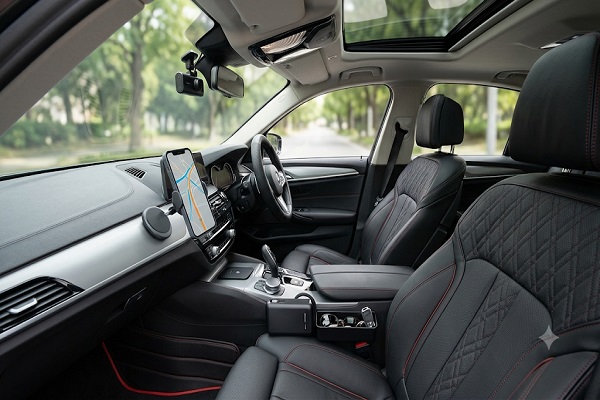
Car phone holder: Keeps navigation visible without requiring you to hold your phone.
Seat covers: Breathable seat covers can improve seating comfort.
Car organiser: Helps keep essential items neatly arranged.
Choose accessories that fit your vehicle properly and do not obstruct airbags, seat belts, visibility or vehicle controls.
8. Plan Your Route Before Starting
Unexpected traffic, road closures and frequent route changes can increase driving stress.
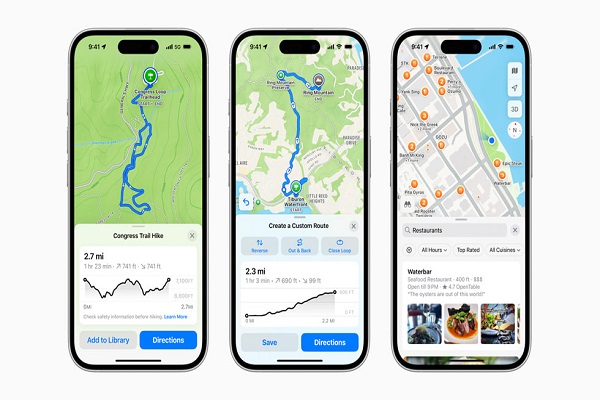
Check your route before leaving and identify fuel stations, restaurants, rest areas and suitable stopping points. Use a reliable navigation application for traffic updates.
Keep your phone mounted securely and set your destination before starting the vehicle. Never operate your phone while driving.
9. Keep the Car Clean and Organised
A cluttered cabin can make a long journey less comfortable. Remove unnecessary items from the seats and floor area.
Keep important items such as water bottles, tissues, sunglasses, documents and charging cables organised in suitable storage spaces.
Ensure that loose luggage is secured properly so that it does not move around or interfere with passengers and vehicle controls.
10. Check Your Vehicle Before the Journey
Vehicle condition directly affects driving comfort and safety. A basic inspection before departure can help prevent unexpected problems.
Check the following:
Tyre pressure and tyre condition.
Engine oil and coolant levels.
Brake performance.
Headlights, indicators and brake lights.
Windshield wipers and washer fluid.
Air-conditioning performance.
Fuel level and spare tyre condition.
For a particularly long journey, consider getting your vehicle inspected by a qualified mechanic.
11. Choose Comfortable Music and Entertainment
Music can make long journeys more enjoyable, but it should not distract the driver. Prepare a playlist before departure and keep the volume at a level that allows you to hear traffic and emergency signals.
Passengers can enjoy audiobooks, podcasts or travel entertainment. The driver should avoid activities that take attention away from the road.
12. Avoid Driving When You Are Tired
Driver fatigue is a major safety concern during long journeys. Frequent yawning, heavy eyelids, difficulty concentrating and missing road signs are warning signs.
Get adequate sleep before travelling. Avoid starting a long drive after a tiring workday or during your usual sleeping hours.
If you feel sleepy, stop at a safe location and take a proper rest. Opening the windows or turning up the music is not a reliable way to overcome drowsiness.
13. Make Passenger Comfort a Priority
A comfortable journey is important for everyone in the vehicle, not just the driver.
Ensure that passengers have enough legroom and access to drinking water. Carry suitable snacks, tissues and other essentials.
For children, use age- and size-appropriate child restraints installed according to the manufacturer's instructions. Plan additional breaks when travelling with young children or elderly passengers.
14. Drive Smoothly and Maintain a Safe Speed
Sudden acceleration, harsh braking and aggressive steering can make passengers uncomfortable and increase fatigue.
Maintain a steady speed within posted limits, keep a safe distance from other vehicles and anticipate traffic conditions. Use cruise control only where permitted and when road conditions are suitable.
Smooth driving makes the journey more relaxing while supporting better vehicle control.
Quick Checklist Before a Long Drive
Adjust the seat, steering wheel and mirrors.
Check tyres, brakes, lights and essential fluids.
Carry drinking water and light snacks.
Plan your route and rest stops.
Keep documents and emergency essentials accessible.
Secure luggage and loose objects.
Get enough sleep before departure.
Wear comfortable clothing and suitable footwear.
Conclusion
Improving driving comfort on long journeys requires a combination of proper preparation, good posture, regular breaks and responsible driving habits. Small changes, such as adjusting your seat, staying hydrated, keeping the cabin organised and checking your vehicle, can make a significant difference.
Most importantly, never compromise safety to save time. Plan your journey carefully, take breaks whenever needed and drive at a comfortable, legal speed. With the right preparation, long-distance travel can become a more enjoyable and stress-free experience.