How to Improve Public Speaking
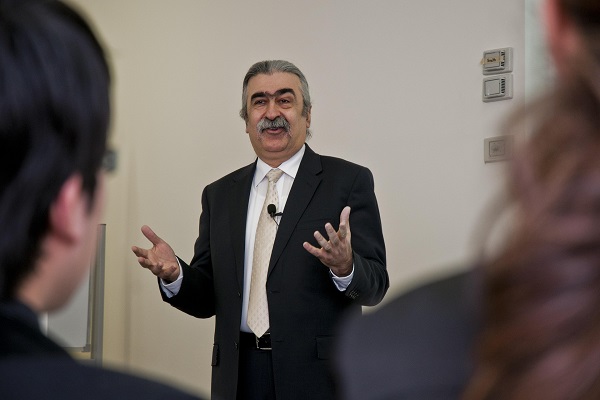
Public speaking is a skill that can improve with practice. Whether you are speaking in a meeting, giving a presentation, attending an interview or addressing a large audience, the ability to communicate clearly can make your message more effective.
You do not need to be naturally confident to become a good public speaker. Preparation, practice and gradual exposure can help you become more comfortable in front of others.
1. Understand Your Topic Clearly
The first step to a good presentation is knowing what you are talking about.
Instead of memorising every sentence, understand the main ideas, important facts and examples related to your topic. This makes it easier to explain the subject naturally and handle unexpected questions.
Before speaking, identify three things:
**What is my main message?
What does the audience need to know?
What should they remember afterward?**
2. Know Your Audience
The same topic may need to be presented differently to different audiences.
Think about the audience's knowledge level, interests and expectations. Avoid using complicated terminology when a simpler explanation would work better.
Understanding your audience also helps you choose relevant examples.
3. Organise Your Speech
A clear structure makes a presentation easier to follow.
A simple structure is:
**Introduction → Main Points → Conclusion**
Start by introducing the topic and explaining why it matters. Then cover your main points in a logical order. Finish by summarising the key message.
A well-organised speech is easier for both the speaker and the audience to understand.
4. Practise Out Loud
Reading your presentation silently is not enough.
Practise speaking the material aloud so you can hear how it sounds. This helps you identify awkward sentences, unnecessary words and sections that need improvement.
You can practise in front of a mirror, record yourself or speak to a friend.
5. Don't Memorise Every Word
Trying to remember an entire speech word for word can make you more nervous.
Instead, remember the structure and important points. Use short notes or keywords as reminders.
This allows you to speak more naturally and recover more easily if you forget a sentence.
6. Work on Your Pace
Speaking too quickly can make it difficult for an audience to follow you.
Slow down when explaining important ideas and pause between major points. Short pauses can also give you a moment to organise your thoughts.
Speaking too slowly can reduce energy, so aim for a comfortable and natural pace.
7. Use Your Voice Effectively
A strong presentation is not only about the words you use.
Your volume, tone, emphasis and pace can change how your message is received. Avoid speaking in exactly the same tone from beginning to end.
Emphasise important words and vary your tone naturally to maintain attention.
8. Make Appropriate Eye Contact
Eye contact can help create a connection with the audience.
Instead of staring at one person continuously, look at different parts of the room for a few seconds at a time. In smaller conversations, natural eye contact can help show engagement.
Avoid constantly looking at the floor, screen or notes.
9. Pay Attention to Body Language
Your body language can support your spoken message.
Stand in a comfortable posture, keep your shoulders relaxed and use natural hand gestures when appropriate. Avoid repetitive movements such as constantly shifting your weight or touching your face.
The goal is not to eliminate movement but to make your movements look natural rather than distracting.
10. Use Simple Language
Clear communication is usually more effective than unnecessarily complicated language.
Choose words that your audience can understand easily. Break complex ideas into smaller sections and use practical examples whenever possible.
A simple explanation often has more impact than a complicated one.
11. Start With a Strong Opening
The first few moments can influence how much attention your audience gives you.
You can begin with a question, interesting fact, short example or clear statement about the topic.
For example:
**"How much time do you spend communicating every day without realising it?"**
An engaging opening can encourage people to pay attention to what comes next.
12. Control Nervousness
Feeling nervous before speaking is common.
Instead of trying to eliminate nervousness completely, focus on managing it. Prepare thoroughly, take a few slow breaths and avoid rushing into your opening sentence.
It can also help to arrive early and become familiar with the room before your presentation begins.
13. Use Stories and Examples
Facts can provide information, but examples can make information easier to understand and remember.
A short story, real-world example or simple comparison can help explain an idea and make your presentation more engaging.
Keep examples relevant to your main message rather than adding stories simply for entertainment.
14. Learn to Handle Mistakes
Making a mistake during a presentation does not automatically mean the presentation has failed.
You may forget a word, lose your place or say something incorrectly. Pause, correct yourself if necessary and continue.
In many situations, calmly recovering from a mistake is less distracting than drawing excessive attention to it.
15. Record and Review Yourself
Recording your practice sessions can reveal habits that you may not notice while speaking.
Listen for:
* Words such as "um," "like" and "actually"
* Speaking too quickly
* Low volume
* Repeated phrases
* Long unnecessary explanations
* Lack of pauses
Choose one or two areas to improve at a time rather than trying to fix everything in one practice session.
16. Practise in Small Steps
You don't have to start by speaking in front of hundreds of people.
Begin with smaller situations. Share an idea during a meeting, explain a topic to a friend or give a short presentation to a small group.
Gradually increasing your exposure can help you become more comfortable.
17. Learn From Good Speakers
Watch effective speakers and pay attention to how they structure their ideas, use pauses, explain concepts and interact with their audience.
Rather than copying someone's personality, identify specific techniques that could work for you.
Common Public Speaking Mistakes
Some common mistakes include:
* Reading directly from slides
* Speaking too quickly
* Using too much technical language
* Avoiding eye contact
* Overloading the presentation with information
* Memorising every sentence
* Using distracting gestures
* Failing to practise
* Having no clear conclusion
Avoiding these habits can make your presentations clearer and more effective.
A Simple Practice Routine
You can improve by spending just a few minutes practising regularly.
Choose a topic and speak about it for two minutes without reading from a script. Record yourself, listen to the recording and identify one thing you did well and one thing you can improve.
Repeat the exercise with a different topic.
With consistent practice, speaking clearly can become more natural.
Final Thoughts
Public speaking is not a talent that only a few people are born with. It is a skill that can be developed through preparation, practice and experience.
Focus on understanding your topic, organising your ideas, speaking clearly, using natural body language and gradually becoming comfortable in front of an audience. The more you practise, the easier it becomes to communicate your ideas with confidence.