How to Maintain Car Paint in Everyday Conditions
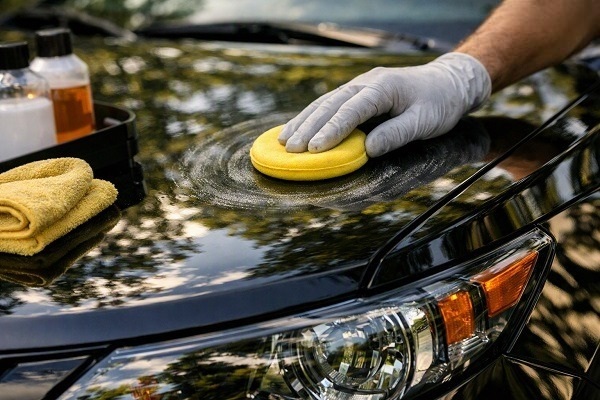
A car's paint does more than make it look attractive. It also acts as a protective layer for the bodywork underneath. Everyday exposure to sunlight, dust, rain, bird droppings, road grime, and pollution can gradually affect the paint's appearance.
Keeping your car's paint in good condition does not require complicated detailing every week. A few consistent habits can help preserve its shine and reduce avoidable damage.
Wash the Car Regularly
Dust and road grime can build up on the paint surface. If they remain there for long periods, they can make the finish look dull and make cleaning more difficult.
Wash the car regularly based on how often it is driven and the conditions around you. A car used daily in dusty or polluted areas may need more frequent cleaning than one parked in a covered location.
Use a car-safe shampoo rather than household cleaning products that may be too harsh for automotive finishes.
Avoid Dry Dusting
One common mistake is wiping a dusty car with a dry cloth. Fine dirt particles can get trapped between the cloth and the paint, increasing the chance of small scratches and swirl marks.
When the vehicle is dusty, rinse it or use a suitable cleaning method designed to safely remove loose dirt before wiping the surface.
Use Clean Microfiber Cloths
Microfiber towels are commonly used for washing and drying because they are soft and can help reduce surface friction.
Use separate cloths for different jobs, such as washing, drying, wheels, and interior surfaces. Keeping cleaning towels clean is equally important because trapped dirt can scratch the paint.
## Rinse Before Washing
Loose dirt should ideally be removed before you start rubbing the vehicle.
A thorough rinse helps loosen dust, sand, and other particles from the surface. This reduces the amount of debris being dragged across the paint during the actual wash.
## Wash From Top to Bottom
Start with the roof and upper parts of the vehicle and gradually move toward the lower sections.
The lower areas usually collect more dirt and road grime. Washing them last helps reduce the chance of transferring heavier dirt to cleaner areas.
Rinse your wash mitt or cloth frequently instead of repeatedly using the same dirty surface.
## Dry the Car Properly
Allowing water to evaporate naturally can leave mineral deposits or water spots, particularly where the water contains a high level of dissolved minerals.
After washing, gently dry the vehicle with a clean microfiber drying towel. Avoid aggressive rubbing, especially when the surface is still carrying dirt.
## Remove Bird Droppings Quickly
Bird droppings can contain substances that may damage or stain automotive paint when left on the surface for an extended period, particularly under heat and sunlight.
Do not scrape dried droppings aggressively. Instead, soften them with water or a suitable cleaning product and gently remove them.
## Deal With Tree Sap Promptly
Tree sap can stick strongly to paint and become increasingly difficult to remove as it dries.
When you notice fresh sap, clean it as soon as reasonably possible using a product that is safe for automotive paint. Avoid harsh scraping tools that can damage the finish.
## Protect the Car From Excessive Sun Exposure
Long-term exposure to strong sunlight can gradually affect the appearance of automotive paint, especially when a vehicle is regularly parked outdoors.
Whenever practical, use covered parking or shade. A properly fitted car cover can also provide protection, provided it is clean and used correctly to avoid trapping abrasive dust against the paint.
Be Careful During Monsoon Conditions
Rain itself is not necessarily the main problem. Dirt, mud, pollution, and contaminants on the road can mix with rainwater and settle on the vehicle.
After driving through muddy or heavily polluted conditions, cleaning the vehicle can help prevent grime from remaining on the paint for long periods.
Avoid Household Detergents
Dishwashing liquids, laundry detergents, and other household cleaners are not designed specifically for automotive paint.
They may remove protective products or leave the surface looking less refined. Using products intended for cars is generally a safer approach.
Add a Protective Layer
Wax, sealants, and paint-protection products can provide an additional layer between the paint and everyday contaminants.
The right option depends on your budget, maintenance habits, and expectations. Protection does not make paint invulnerable, but it can make cleaning easier and help preserve the finish.
Don't Ignore Small Scratches
Minor marks can become more noticeable over time, particularly on darker paint colours.
Avoid repeatedly polishing the same area without understanding the severity of the scratch. Some scratches affect only the clear coat, while deeper ones may require professional repair.
Be Careful at Automatic Car Washes
Different car washes use different cleaning methods. Some systems can create more visible swirl marks than careful hand washing, particularly when brushes are not adequately maintained.
When choosing a car wash, pay attention to how vehicles are cleaned and whether reusable equipment is properly maintained.
Keep the Car Clean Before Using a Cover
Putting a cover over a dusty or dirty vehicle can cause particles to rub against the paint when the cover moves.
Before covering the car, make sure the exterior is reasonably clean and the cover itself is free from accumulated dirt.
Maintain the Exterior Trim Too
Paint is not the only part of the exterior that affects how fresh a car looks. Plastic trim, rubber seals, headlights, and wheels also contribute to its overall appearance.
Using products designed specifically for these surfaces can help keep the entire exterior looking well maintained.
Build a Simple Paint-Care Routine
You do not need to spend hours detailing the car every week. A practical routine could include regular washing, quick removal of bird droppings and sap, careful drying, and periodic application of a suitable protective product.
Consistency usually matters more than complicated detailing techniques.
The Bottom Line
Maintaining car paint in everyday conditions is mostly about preventing contaminants from sitting on the surface for too long and avoiding cleaning habits that create unnecessary scratches.
Regular washing, proper drying, clean microfiber towels, quick stain removal, sensible sun protection, and appropriate paint-protection products can help preserve the vehicle's appearance for years.
A little careful maintenance today can reduce the need for expensive paint correction or restoration later.