How Underbody Coatings Protect Cars
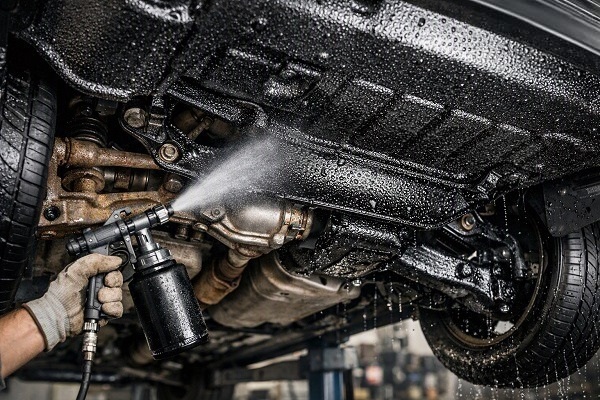
The underside of a car is exposed to conditions that are easy to overlook. Water, mud, road debris, dust, salt, oil and constant temperature changes can gradually affect components underneath the vehicle. Underbody coatings are designed to provide an additional protective layer between these surfaces and the outside environment.
While the exact coating used varies by vehicle and application, the basic purpose is to improve protection and durability.
Protecting Against Moisture
Water is one of the biggest concerns for the metal components underneath a car. Repeated exposure to moisture can eventually contribute to corrosion, particularly when protective factory finishes become damaged.
An underbody coating can create a barrier that reduces direct contact between moisture and exposed surfaces. This can be particularly useful in areas where water frequently reaches the underside of the vehicle.
Helping Prevent Corrosion
Rust develops when metal is exposed to moisture and oxygen over time. Road conditions can make this process more challenging because dirt and contaminants may remain trapped underneath a vehicle.
Protective coatings can help isolate metal surfaces from these elements. However, they are not a cure for existing serious rust. Damaged or corroded areas should generally be cleaned and addressed before a new coating is applied.
Reducing Damage From Road Debris
The underside of a moving car is regularly exposed to small stones, gravel and other debris thrown up by the tyres.
Some underbody coatings provide a durable layer that can help absorb or resist minor impacts. This can reduce the likelihood of small chips and surface damage to protected areas.
Managing Road Dirt and Contaminants
Road surfaces contain more than just dirt. Vehicles can encounter oils, chemicals, mud and other contaminants during everyday driving.
A suitable coating can make certain underbody surfaces more resistant to these contaminants and provide another protective layer over existing finishes.
Reducing Noise in Some Applications
Certain thicker underbody materials can also contribute to noise reduction by adding mass and a layer between the road surface and the vehicle's body.
However, underbody coating should not be viewed as a replacement for the car's dedicated insulation and acoustic design. Its effect on cabin noise depends heavily on the product, where it is applied and how much material is used.
Protection Depends on Proper Application
An underbody coating is only useful when it is applied correctly. The surface generally needs to be clean, dry and free from loose rust, grease and other contaminants.
Applying a coating over moisture or active corrosion can trap problems underneath the protective layer. This is one reason professional preparation can matter as much as the coating itself.
Different Parts Need Different Protection
Not every component underneath a vehicle should simply be covered with the same material.
Flexible coatings may be appropriate for some exposed surfaces, while other areas require different treatments. Brake components, exhaust components, moving suspension parts, drain holes and sensors should not be unnecessarily covered.
Careful application is therefore important to avoid interfering with vehicle operation or maintenance.
Factory Protection Already Exists
Modern cars generally leave the factory with several forms of underbody protection. These can include paint systems, sealants, corrosion-resistant materials and protective panels.
Additional underbody coating may provide useful protection in certain environments, but it is not automatically necessary for every vehicle.
When Extra Underbody Protection Can Be Useful
Additional protection may be considered when a vehicle regularly faces muddy roads, heavy rain, rough surfaces or other conditions that increase exposure to water and debris.
Older vehicles with areas of exposed metal may also require attention, although the condition of the existing surface should be assessed before applying any coating.
Regular Inspection Still Matters
An underbody coating does not eliminate the need for maintenance. The underside should still be inspected periodically for cracks, peeling, rust, leaks and physical damage.
A damaged coating can sometimes allow moisture to reach the surface underneath, making early inspection useful.
Protection Is About Prevention
Underbody coatings work mainly by adding another protective barrier against moisture, debris and environmental contaminants. They can help preserve vulnerable surfaces, but the quality of preparation and application plays a major role in their effectiveness.
For car owners, the best approach is to treat underbody coating as part of a broader maintenance strategy rather than as a one-time solution to every underbody problem.