Impact of Social Media on Mental Health: Benefits, Risks, and Realities
Impact of Social Media on Mental Health
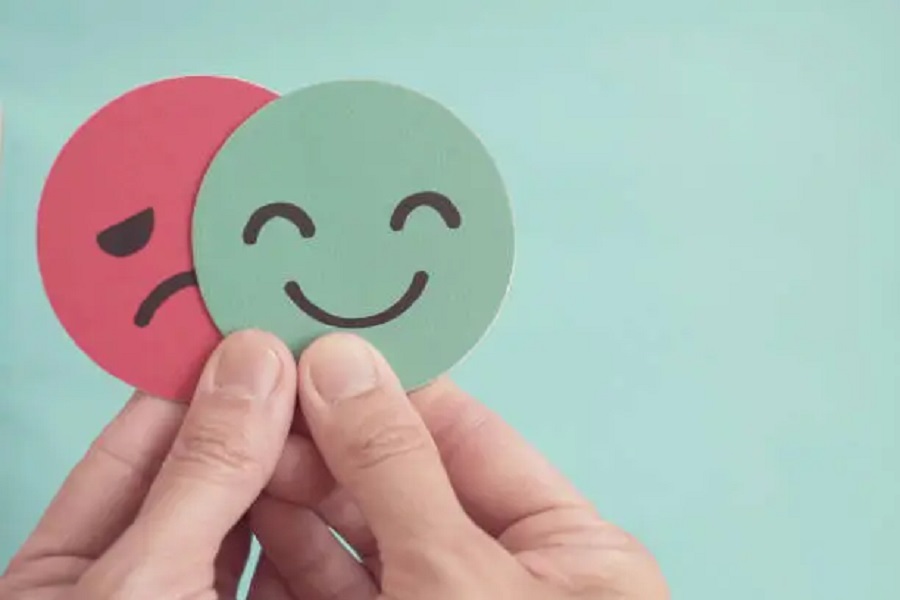
Social media has become an inseparable part of modern life. Platforms like Instagram, Facebook, X, Snapchat, and TikTok have changed how people communicate, learn, and share their lives. While social media offers many advantages, it also has a significant impact on mental health, both positive and negative. Understanding this impact is important for maintaining emotional well-being in a digital world.
1. Positive Effects of Social Media on Mental Health
Despite criticism, social media does provide some mental health benefits when used properly.
- It helps people stay connected with friends and family
- Provides access to mental health awareness and support communities
- Allows expression of thoughts, creativity, and emotions
- Reduces feelings of isolation, especially for people living alone
For many individuals, social media acts as a platform for support and connection.
2. Negative Effects on Mental Health
Excessive or unhealthy use of social media can harm mental well-being in several ways.
- Constant comparison with others can lead to low self-esteem
- Exposure to unrealistic lifestyles may create dissatisfaction
- Cyberbullying can cause anxiety and emotional distress
- Overuse can lead to addiction and reduced real-life interactions
These effects can gradually increase stress and emotional imbalance.
3. Anxiety and Depression Linked to Social Media
One of the most serious concerns is the link between social media use and mental health disorders.
- Continuous scrolling can increase feelings of anxiety
- Fear of missing out (FOMO) creates pressure to stay constantly online
- Negative comments and online criticism can affect self-worth
- Over time, it may contribute to depression in vulnerable individuals
Young users are especially at risk due to higher engagement levels.
4. Impact on Self-Esteem and Body Image
Social media often influences how people view themselves.
- Edited and filtered images create unrealistic beauty standards
- Users compare their lives with carefully curated online content
- This leads to dissatisfaction with appearance and lifestyle
- Body image issues are becoming more common among teenagers and young adults
This constant comparison can weaken confidence and self-acceptance.
5. Sleep and Productivity Issues
Heavy social media use can also affect daily habits.
- Late-night scrolling reduces sleep quality
- Notifications interrupt focus and concentration
- Time spent online replaces physical activity or hobbies
- Productivity in studies or work may decline
Poor sleep and distraction can further impact mental health.
6. Addiction and Dependency
Social media platforms are designed to keep users engaged.
- Continuous notifications trigger dopamine responses in the brain
- Users feel the need to check apps repeatedly
- Reduces time spent on real-world interactions
- Can create emotional dependency on online validation
This cycle can make it difficult to reduce usage.
7. Finding a Healthy Balance
Managing social media use is key to protecting mental health.
- Set time limits for daily usage
- Avoid comparing yourself with others online
- Take regular digital breaks
- Focus on real-life relationships and activities
- Follow positive and educational content
Balance helps in enjoying benefits without negative effects.
Conclusion
Social media is neither completely good nor completely harmful—it depends on how it is used. While it offers connection, learning, and expression, excessive use can negatively impact mental health, self-esteem, and emotional stability.
Developing mindful usage habits is essential to ensure that social media remains a tool for growth rather than a source of stress.