India`s ethanol supplies reach 987 crore litres by Sep end
India’s ethanol blending programme continues its strong momentum with cumulative ethanol receipts reaching 987 crore litres by the end of September 2026, driven heavily by grain-based feedstocks, according to the latest data released by the All India Distillers’ Association (AIDA) on Thursday.
Grain-based feedstocks accounted for 705 crore litres, representing 71.4 per cent of cumulative ethanol receipts under Ethanol Supply Year (ESY) 2025-26. Total receipts by oil marketing companies stand at 987 crore litres against a total contracted allocation of 1,197 crore litres, achieving an overall supply fulfillment rate of 82.5 per cent, according to the data.
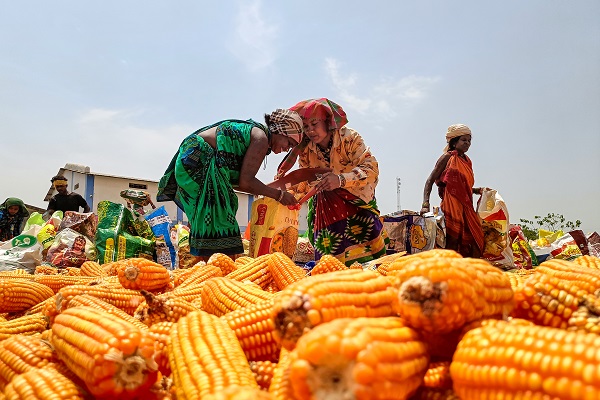
The September figures demonstrate the rapidly strengthening role of grain-based feedstocks in providing steady, scalable fuel supplies. Maize continues to be the single largest feedstock contributor, accounting for 413 crore litres (over 41 per cent of total receipts), followed by surplus FCI rice at 222 crore litres and damaged foodgrains at 70 crore litres, according to an AIDA statement.
The strong reliance on multiple grain streams underscores the domestic ethanol industry's expanding processing capacity and its ability to absorb diverse agricultural feedstocks without compromising food security, the statement said.
Sugar-based feedstocks, including sugarcane juice and heavy molasses, supplied 282 crore litres out of a total allocation of 289 crore litres, achieving an outstanding 97.6 per cent fulfillment rate. The seamless performance across both "B Heavy and C Heavy Molasses" highlights the operational flexibility and resilience of sugar mills in meeting contracted supplies.
AIDA deputy director general Bharati Balaji said, "The September-end data clearly illustrates the maturing landscape of India’s ethanol ecosystem. Crossing the 980-crore litre mark is a major milestone, with grain-based sources — led by maize at 413 crore litres — contributing over 71 per cent of total supplies. Simultaneously, sugar-based feedstocks have shown remarkable delivery efficiency, fulfilling nearly 98 per cent of their allocated quantities".
"Building a robust, multi-feedstock supply network is vital for long-term energy security. As production and supply infrastructure scale up, maintaining policy continuity and expanding utilization avenues — such as Flex-Fuel Vehicles (FFVs), Sustainable Aviation Fuel (SAF), and Compressed Bio-Gas (CBG) — will be essential to sustain investment momentum and empower agricultural value chains across India," Balaji added.