India`s rabi sowing has started slowly amid a 13% southwest monsoon rainfall deficit and concerns over El Niño. Total rabi acreage reached 18.02 lakh hectares by October 23, down from 28.26 lakh hectares a year earlier. Wheat sowing declined 59% to 11,000
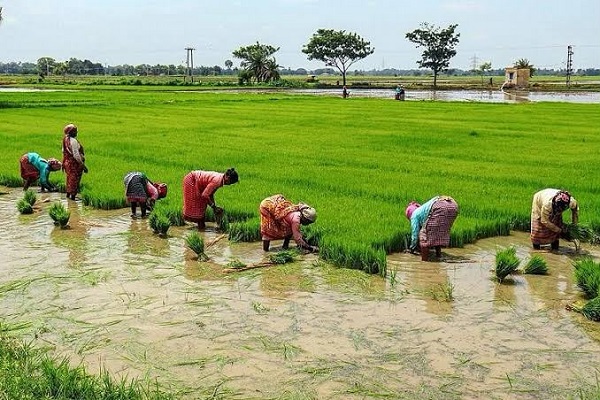
India’s rabi sowing has started slowly amid a 13% southwest monsoon rainfall deficit and concerns over El Niño. Total rabi acreage reached 18.02 lakh hectares by October 23, down from 28.26 lakh hectares a year earlier. Wheat sowing declined 59% to 11,000 hectares, while gram acreage fell to 2.21 lakh hectares from 3.77 lakh hectares. Rajasthan recorded a 58.07% decline in overall rabi sowing, while Tamil Nadu and Uttar Pradesh also reported lower coverage. Limited soil moisture and depleted irrigation reserves threaten crop establishment, although the Agriculture Ministry expects sowing to improve in coming weeks.
Key Highlights
* Total rabi sowing declined 36.2% to 18.02 lakh hectares by October 23, from 28.26 lakh hectares last year.
* Wheat sowing fell 59% to 11,000 hectares, compared with 27,000 hectares during the corresponding period last year.
* Gram sowing dropped to 2.21 lakh hectares from 3.77 lakh hectares, highlighting slower progress in pulse cultivation.
* Rajasthan’s rabi acreage declined 58.07% to 5.93 lakh hectares, down from 14.13 lakh hectares a year earlier.
* The southwest monsoon recorded a 13% rainfall deficit, raising concerns over soil moisture, irrigation availability and wheat production targets.
India’s rabi sowing has started at a slower pace in the 2026–27 crop year, with total coverage declining to 18.02 lakh hectares as of October 23, compared with 28.26 lakh hectares during the corresponding period last year. Wheat sowing fell 59% to 11,000 hectares from 27,000 hectares, while gram acreage declined to 2.21 lakh hectares against 3.77 lakh hectares. The slower progress has raised concerns over crop establishment and the potential impact on agricultural production.
The primary concern is deficient monsoon rainfall and the resulting shortage of soil moisture and irrigation water. India recorded a 13% rainfall deficit during June–September. Punjab and Rajasthan received 38% and 22% below-normal rainfall, respectively, while reservoir levels in both states were below normal at the end of September. Together, these states account for approximately 31% of India’s wheat acreage. Limited water availability could delay sowing and affect crop yields, particularly in areas dependent on rainfall or irrigation infrastructure.
Rajasthan has witnessed a particularly sharp decline, with total rabi acreage falling to 5.93 lakh hectares from 14.13 lakh hectares, a decrease of 58.07%. Tamil Nadu’s coverage dropped 50.99% to 0.99 lakh hectares, while Uttar Pradesh reported sowing of 8.48 lakh hectares against 9.26 lakh hectares a year earlier. However, Karnataka recorded an increase to 1.91 lakh hectares from 1.80 lakh hectares, and Andhra Pradesh rose to 0.37 lakh hectares from 0.23 lakh hectares.
Among other crops, winter paddy acreage declined to 1.02 lakh hectares from 2.13 lakh hectares, while coarse cereals coverage increased to 23,000 hectares from 13,000 hectares.
The government has set a wheat production target of 121 million tonnes for 2026–27, marginally above last year’s record output of 120.7 million tonnes. The Agriculture Ministry expects sowing to improve in the coming weeks, noting that planting has only recently commenced in several states.
Deficient rainfall, limited irrigation and delayed sowing threaten rabi crop progress, although improved planting in coming weeks could help reduce concerns over production targets.
Above views are of the author and not of the website kindly read disclaimer












More News

Quote on Gold 26th October 2026 by Rajeev Sharan, Head of Research, Brickwork Ratings