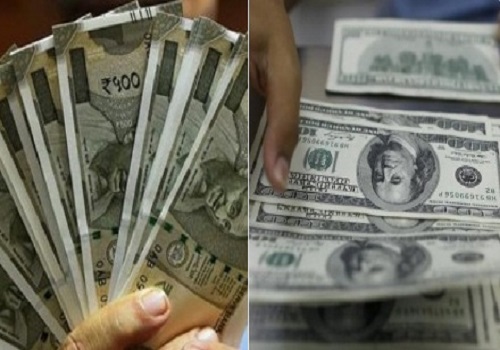
Indian rupee back to tracking oil, flows; bond traders look to RBI
The Indian rupee's direction this week is likely to revert to being driven by oil prices and equity flows, with support from central bank rule-linked flows now having faded, while bonds will be driven by oil and the Reserve Bank of India's actions.
The rupee rose 0.4% last week to 92.7275 per U.S. dollar, building on a nearly 2% rally the previous week, when banks were forced to unwind arbitrage trades to comply with an RBI directive capping the size of their onshore FX positions.
The unwinding involved banks selling dollars in the onshore market, which in turn lifted the rupee. Banks were required to comply with the directive by last Friday, meaning the support the rupee drew over the past two weeks is now expected to wane.
The rupee is now back to a phase where fundamentals will reassert themselves, with direction likely to be driven by oil prices, capital flows and underlying demand-supply dynamics, said Kunal Sodhani, head treasury at Shinhan Bank India.
On oil, the news flow at the start of the week was negative for the rupee. Oil prices jumped on the day after the U.S. Navy moved to prevent ships from accessing Iran via the Strait of Hormuz, raising the risk of curbs on Iranian oil exports after Washington and Tehran failed to reach a deal to halt the war.
Attention will now be on importer hedging activity following the rupee's recent rally and equity flows, currency traders said.
BONDS
The benchmark 10-year yield dropped 22 basis points last week to end at 6.9119% on Friday, after rising a cumulative 39 bps in the previous two weeks.
The decline marked the benchmark's biggest weekly fall since October 2019 last week, as yields tracked moves in oil prices and the RBI's monetary policy decision and guidance was "neutral", countering fears of a hawkish tilt.
Traders see the yield moving in a 6.85%-7.00% range this week.
Brent crude tumbled around 12% last week to about $95 per barrel, as a two-week ceasefire between the U.S. and Iran raised hopes of a resumption of oil supplies through the Strait of Hormuz.
However, the drop was short-lived, with Brent creeping higher as fighting continued in the Middle East, casting doubt on the truce.
Markets will also watch for any pickup in foreign investor inflows, after heavy selling of government notes pushed the overall flows into negative territory for 2026.
"We are optimistic about EM local markets at these levels though we had been highlighting our concerns about positioning before the recent sell off," said Shamaila Khan, head fixed income emerging markets and Asia Pacific, UBS Asset Management.
"We believe positioning has improved significantly now. We believe flows will return once the war ends and oil prices stabilize, and India will also be a beneficiary when that happens."