No relief for under-pressure rupee as Iran-US conflict spirals

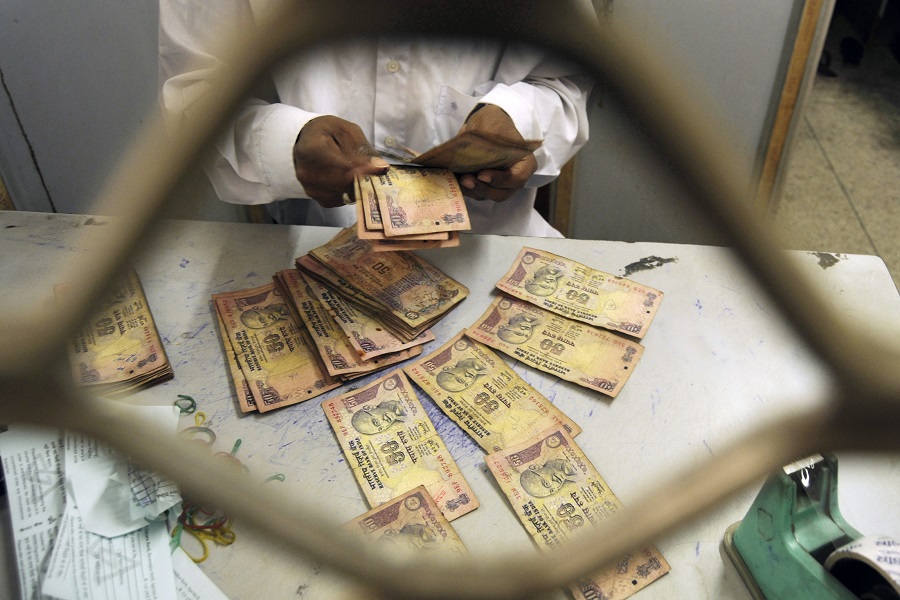
The Indian rupee is expected to stay under pressure on Monday after Iran warned of strikes on energy and water infrastructure in the Gulf, further stoking worries about oil supplies.
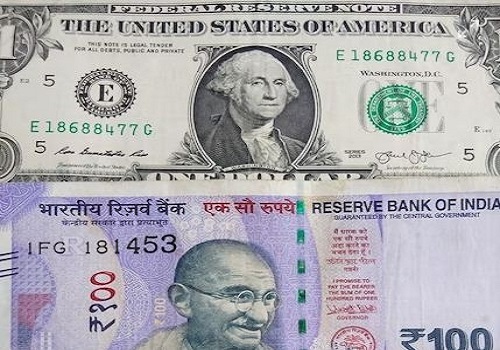
The 1-month non-deliverable forward indicated the rupee will open in the 93.68 to 93.72 range versus the U.S. dollar after plunging more than 1% on Friday to 93.71.
The currency has fallen 3% this month, hitting an all-time low of 93.7350 on Friday, with higher oil prices exacerbating risks to India’s current account deficit, feeding into inflation pressures and clouding the growth outlook.
Brent crude has surged more than 50% since the Iran war broke out, with developments over the weekend indicating little respite.
U.S. President Donald Trump late on Saturday set a Monday deadline of around 2345 GMT, warning that the United States would strike Iran’s power plants unless Tehran fully reopens the Strait of Hormuz within 48 hours. In response, Iran warned it would target energy and water infrastructure across the Gulf if the U.S. follows through on its threat.
This sets up Brent for another volatile week after three weeks of sharp moves. The contract was last at $112.40 per barrel, largely flat from Friday.
U.S. YIELDS, EQUITY OUTFLOW
The rise in U.S. Treasury yields and persistent equity outflows are compounding the pressure on the rupee, already weighed down by importer-hedging demand, particularly from oil companies, bankers said.
The 10-year U.S. Treasury yield climbed more than 10 basis points on Friday and inched up further in Asia to top 4.4%. The selloff in European bonds and worries over inflation prompted investors to demand higher yields.
Foreign investors have pulled out alomst $10 billion from Indian equities this month, reflecting concerns over the impact of higher oil prices on India’s economy.