Noise-Cancelling Headphones: How Technology Is Improving Audio Experiences
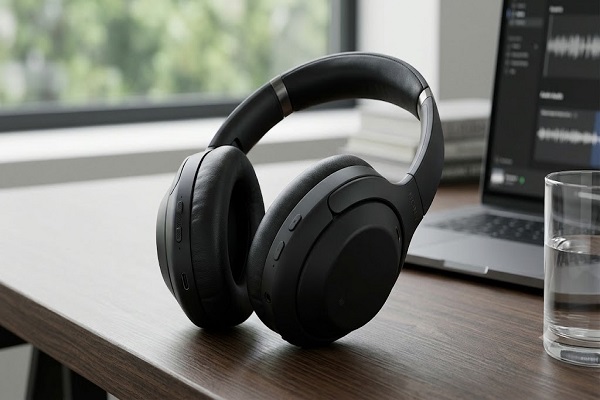
The way people listen to music, attend online meetings and enjoy entertainment is changing rapidly with advancements in audio technology. Noise-cancelling headphones have become increasingly popular among music lovers, professionals, students and frequent travellers who want a more immersive listening experience.
Unlike traditional headphones, noise-cancelling models use advanced technology to reduce unwanted background sounds. Whether someone is travelling on a crowded train, working in a busy office or relaxing at home, these devices can help create a quieter and more comfortable audio environment.
In 2026, improvements in Active Noise Cancellation (ANC), artificial intelligence, adaptive audio and wireless connectivity are making headphones smarter and more versatile. Let's explore how noise-cancelling technology is transforming modern audio experiences.
1. Understanding Noise-Cancelling Technology
Noise-cancelling headphones are designed to reduce unwanted environmental sounds using specialised audio technology.
There are two main types of noise reduction:
Active Noise Cancellation (ANC): This technology uses built-in microphones to detect surrounding noise. The headphones then generate sound waves that help cancel out unwanted low-frequency noise.
Passive Noise Isolation: This method uses physical materials, ear cushions and specially designed ear tips to block some external sounds from entering the ears.
Many modern headphones combine both technologies to provide improved noise reduction and a better listening experience.
2. Active Noise Cancellation Is Becoming More Advanced
Active Noise Cancellation is one of the most important developments in modern headphone technology.
Earlier ANC systems primarily focused on reducing continuous background sounds such as aircraft engines, air conditioners and traffic noise. Newer systems use multiple microphones and advanced processing algorithms to adapt to changing environments.
This allows users to enjoy clearer audio while travelling, working or relaxing in noisy surroundings.
Some premium headphones also allow users to adjust the level of noise cancellation according to their preferences.
3. AI-Powered Audio Technology
Artificial intelligence is playing an increasingly important role in the development of smart audio devices.
AI-powered audio processing can help headphones analyse surrounding sounds and adjust noise reduction and audio settings in real time.
Depending on the device, these features may include:
Automatic adjustment of noise cancellation.
Improved voice detection during phone calls.
Reduction of unwanted background noise.
Personalised sound profiles.
Adaptive audio settings based on the listening environment.
These capabilities are helping create more intelligent and personalised listening experiences.
4. Transparency Mode for Better Environmental Awareness
Complete noise isolation is not always desirable, particularly when people are walking outdoors, travelling or communicating with others.
Transparency Mode addresses this need by allowing external sounds to pass through the headphones using built-in microphones.
This feature helps users hear announcements, conversations and surrounding environmental sounds without removing their headphones.
Some advanced models also offer adaptive transparency features that automatically adjust the amount of outside sound users hear.
5. Improved Sound Quality and Immersive Listening
Noise cancellation is not the only factor influencing headphone performance. Manufacturers are also focusing on improving sound quality.
Modern headphones may include advanced audio codecs, high-resolution audio support, spatial audio and customised equaliser settings.
Spatial audio creates a more immersive listening experience by giving compatible music, films and games a sense of direction and depth.
Combined with effective noise cancellation, these features can make entertainment more engaging.
However, actual sound quality depends on the headphones, audio source, codec support and individual listening preferences.
6. Better Battery Life and Faster Charging
Battery performance is another important consideration for wireless noise-cancelling headphones.
Manufacturers are working to improve battery efficiency so that users can enjoy longer listening sessions without frequent charging.
Many models offer different battery runtimes depending on whether ANC is switched on or off. Charging cases in wireless earbuds also provide additional power throughout the day.
Fast-charging technology is another useful development, allowing users to gain additional listening time from relatively short charging sessions.
7. Smarter Connectivity and Multipoint Pairing
Wireless connectivity has become an essential feature of modern headphones.
Bluetooth technology allows users to connect headphones to smartphones, tablets, laptops and other compatible devices without cables.
Some models also support multipoint connectivity, which allows headphones to remain connected to two devices simultaneously.
For example, a user can listen to music on a laptop and switch to an incoming call on a smartphone without manually disconnecting and reconnecting.
These features are particularly useful for professionals who regularly move between work and personal devices.
8. Noise-Cancelling Headphones for Work and Travel
Noise-cancelling headphones are becoming useful accessories for different everyday situations.
For office professionals: ANC headphones can help reduce distracting background sounds and make virtual meetings more comfortable.
For students: They can help reduce environmental noise during study sessions, although they cannot replace a quiet study environment.
For frequent travellers: Noise cancellation can reduce the impact of continuous sounds from aircraft cabins, trains and buses.
For fitness enthusiasts: Some wireless earbuds combine noise control, sweat resistance and secure-fitting designs for workouts. Users should remain aware of their surroundings when exercising outdoors.
9. Popular Noise-Cancelling Headphone Brands
Several technology companies offer headphones with advanced noise-cancellation features.
Some notable product families include:
Sony WH-1000X series: Known for premium noise cancellation, adaptive sound features and wireless audio performance.
Bose QuietComfort series: Popular for comfort and noise-reduction capabilities.
Apple AirPods Max: Offers active noise cancellation, transparency mode and spatial audio features within the Apple ecosystem.
Samsung Galaxy Buds series: Provides wireless audio, active noise cancellation and connectivity features for compatible devices.
Sennheiser Momentum series: Focuses on premium audio quality, noise cancellation and personalised listening.
The availability of features varies by model and generation, so buyers should compare specifications before making a purchase.
10. What Should Buyers Consider Before Purchasing?
Choosing the right noise-cancelling headphones depends on personal requirements, budget and intended usage.
Here are some important factors to consider:
Noise cancellation performance: Compare how effectively the headphones reduce different types of background noise.
Sound quality: Look for balanced audio performance that suits your music and entertainment preferences.
Battery life: Check battery performance with ANC enabled.
Comfort: Choose headphones with suitable ear cushions, weight and adjustable headbands.
Connectivity: Check Bluetooth compatibility, multipoint pairing and supported audio codecs.
Microphone quality: Important for online meetings, phone calls and voice communication.
Price and warranty: Compare features, after-sales support and warranty coverage.
It is also worth remembering that noise cancellation does not completely eliminate every sound.
11. Can Noise-Cancelling Headphones Affect Hearing Health?
Noise-cancelling headphones can make listening more comfortable by reducing background noise, potentially helping users avoid increasing the volume to overcome surrounding sounds.
However, hearing safety still depends on listening volume and duration.
Listening to audio at excessively high volumes for extended periods can increase the risk of noise-induced hearing loss.
Users should follow safe listening practices, take regular breaks and avoid unnecessarily high volume levels. Noise cancellation should not be treated as hearing protection in workplaces with hazardous noise levels.
Conclusion
Noise-cancelling headphones are transforming the way people experience music, entertainment and everyday communication. Improvements in Active Noise Cancellation, AI-powered audio processing, transparency modes, spatial audio and wireless connectivity are making these devices more intelligent and convenient.
As audio technology continues to evolve, headphones are becoming more than simple listening accessories. They are developing into smart personal audio devices that adapt to different environments and user preferences.
For consumers, the best choice will depend on sound quality, comfort, battery performance, noise cancellation and budget. With the right combination of features, noise-cancelling headphones can make everyday listening more enjoyable and convenient.