Oil prices rise about $1 as investors weigh Middle East peace prospects
Oil prices rose about $1 in early trade on Thursday, rebounding from the previous day's sharp losses, as investors weighed the prospects of a Middle East peace deal succeeding.
Brent crude futures were up 88 cents, or 0.9%, at $102.15 a barrel by 0032 GMT. U.S. West Texas Intermediate gained $1.12, or 1.2%, to $96.20 a barrel.
Both benchmarks slumped more than 7% on Wednesday, hitting two-week lows on optimism over a possible end to the Middle East war. They pared losses, however, after U.S. President Donald Trump said it was "too soon" for face-to-face talks with Tehran and a senior Iranian lawmaker said the U.S. proposal was more of a wish list than a reality.
"While peace negotiations are likely to continue at least until next week's U.S.-China summit, the outlook beyond that remains uncertain," said Hiroyuki Kikukawa, chief strategist of Nissan Securities Investment, a unit of Nissan Securities.
Trump and Chinese President Xi Jinping are scheduled to meet next week.
"The main scenario is that oil prices will remain elevated," Kikukawa said.
Iran said on Wednesday it was reviewing a U.S. peace proposal that sources said would formally end the war while leaving unresolved the key U.S. demands that Iran suspend its nuclear program and reopen the Strait of Hormuz.
An Iranian foreign ministry spokesperson cited by Iran's ISNA news agency said Tehran would convey its response. Trump said he believed Iran wanted an agreement.
A Pakistan mediation source and another person briefed on the talks said an agreement was close on a one-page memorandum that would formally end the conflict.
U.S. media outlet Axios reported that the U.S. expects Iranian responses on several key points in the next 48 hours, citing sources saying this is the closest the parties had come to an agreement since the war began.
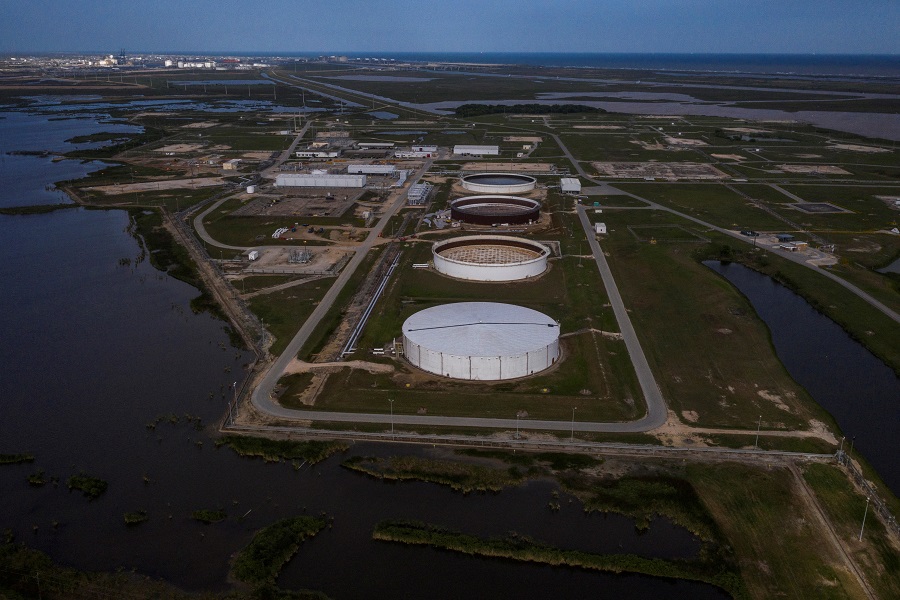
Even if a peace deal is reached, oil supplies are expected to tighten further in coming weeks because it will take weeks for oil shipments to resume from the Middle East Gulf and reach refiners worldwide - so oil companies will continue to deplete storage tanks to meet peak summer demand.
U.S. crude and fuel inventories continued to decline last week as countries sought to offset supply disruptions caused by the Iran crisis, the Energy Information Administration said on Wednesday. [EIA/S]
Crude stocks fell by 2.3 million barrels to 457.2 million barrels last week, compared with analyst expectations in a Reuters poll for a 3.3 million-barrel draw.













Tag News
Oil sinks 10 pc on Iran peace hopes