Oil Shock 2026: A Structural Turning Point for Global Markets by Amit Gupta - Kedia Advisory
Oil Shock 2026: A Structural Turning Point for Global Markets
Oil shocks are not merely price events—they are macroeconomic regime changers. The current 2026 oil shock, triggered by escalating tensions in the Middle East and disruption around the Strait of Hormuz, is unfolding in a manner strikingly similar to historical crises, yet with far deeper structural implications.
The Trigger – Geopolitical Disruption
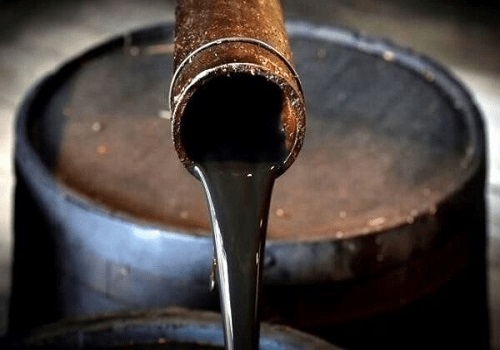
The present shock began with the US-Iran conflict, leading to partial closure and disruption of Hormuz, which carries nearly 20% of global oil and LNG flows. As a result, Brent crude surged sharply above $100–110 per barrel, embedding a significant geopolitical risk premium into energy markets.
Transmission – Inflation and Cost Shock
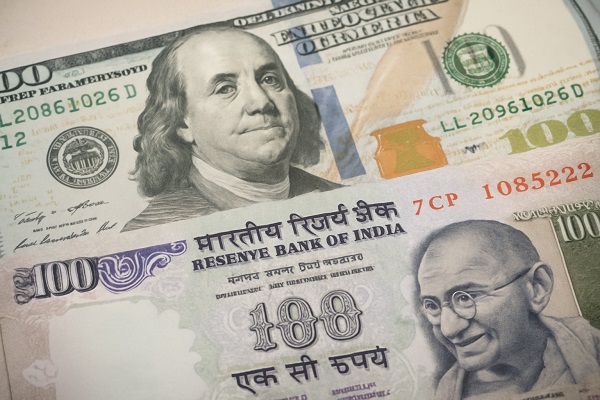
As seen historically, rising crude prices immediately translate into higher transportation, fertilizer, and manufacturing costs. This creates a cost-push inflation wave, impacting both developed and emerging economies. For import-dependent nations like India, this leads to a widening trade deficit, rupee depreciation, and pressure on fiscal balances.
Financial Impact – Dollar and Rates
Higher inflation expectations reduce the likelihood of monetary easing. This keeps bond yields elevated, strengthens the US Dollar Index near 100 levels, and drives capital outflows from emerging markets. The result is tighter financial conditions globally.
Historical Comparison: 50 Years of Oil Shocks
The current episode closely mirrors past oil shocks, but with amplified risks:
* 1973 OPEC Embargo: Oil prices quadrupled, triggering global inflation and recession. The shock came during an already fragile economic phase, amplifying its impact.
* 1979 Iranian Revolution: Prices doubled within a year, driven by supply uncertainty. Inflation surged globally, forcing aggressive monetary tightening.
* 1990 Gulf War: A sharp but short-lived spike driven by supply disruption. Markets stabilized relatively quickly as supply chains normalized.
* 2008 Oil Spike: Prices reached $147 per barrel, driven largely by demand and financial flows, not structural supply disruption—making it fundamentally different from today.
Key Difference in 2026:
Unlike 2008, the current shock is supply-driven and geopolitically constrained, making it more comparable to 1973 and 1979, but occurring in a far more leveraged global economy.
Why 2026 is More Dangerous
The structural backdrop today is significantly weaker:
* Global debt levels are at record highs
* Supply chains are already fragile post-pandemic
* Energy markets are tightly balanced with limited spare capacity
* Currency volatility is rising across emerging markets
Additionally, the energy shock is multi-dimensional—impacting oil, gas, LNG, fertilizers, and freight simultaneously.
Macro Chain
Geopolitical Conflict → Oil Spike → Inflation Surge → Dollar Strength → Growth Slowdown
View
“Every major oil shock in the last 50 years has reshaped the global economy—2026 may be no different, but far more intense.”
Conclusion:
The current oil shock is evolving beyond a commodity event into a full-scale macro disruption. If supply constraints persist, markets could transition into a prolonged phase of high inflation, weaker growth, and heightened volatility.
“Oil shocks don’t just move prices—they redefine economic cycles, policy responses, and global power structures.”
Above views are of the author and not of the website kindly read disclaimer







.jpg)