Preventive Healthcare in 2026: Why Regular Health Checkups Matter
Healthcare is no longer just about treating illnesses after symptoms appear. In 2026, preventive healthcare is gaining importance as people become more aware of the need to monitor their health, identify potential risks early and adopt healthier lifestyles.
Many health conditions, including diabetes, high blood pressure and heart disease, can develop gradually without noticeable symptoms in their early stages. Regular health checkups can help identify certain health risks before they become more serious, allowing individuals and healthcare professionals to take timely action.
As lifestyles become increasingly sedentary and stress levels rise, preventive healthcare is emerging as an essential part of maintaining long-term health and well-being.
What Is Preventive Healthcare?
Preventive healthcare refers to medical services and healthy lifestyle practices that help reduce the risk of developing diseases or detect health problems at an early stage.
Instead of waiting until symptoms appear, preventive healthcare focuses on monitoring the body's condition through regular medical consultations, recommended screenings, vaccinations and routine health assessments.
Some common preventive healthcare practices include:
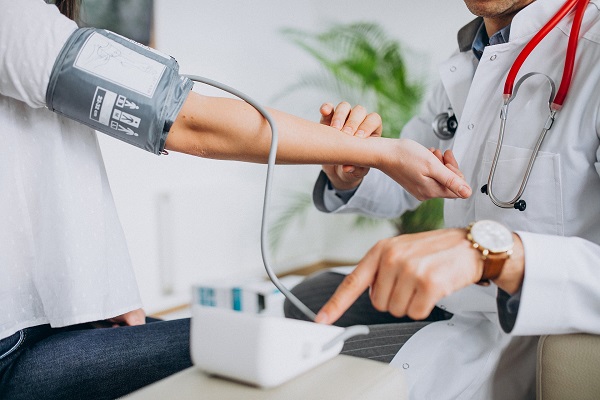
Regular blood pressure monitoring.
Blood sugar and cholesterol testing when recommended.
Routine dental and eye examinations.
Age-appropriate cancer screenings.
Vaccinations and immunisation.
Maintaining a balanced diet and regular exercise routine.
Monitoring weight and other health indicators.
These measures help individuals understand their health status and make informed decisions about their well-being.
Why Are Regular Health Checkups Important in 2026?
1. Early Detection of Health Problems
One of the biggest advantages of regular health checkups is the possibility of identifying health conditions before symptoms become noticeable.
Conditions such as hypertension, diabetes and high cholesterol may remain undetected for years. Appropriate screening tests can help identify these problems earlier, giving patients and doctors an opportunity to manage them effectively.
Early detection does not guarantee prevention of complications, but timely medical attention can improve disease management.
2. Rising Lifestyle-Related Health Risks
Modern lifestyles often involve long working hours, limited physical activity, irregular eating habits and increased stress.
These factors can contribute to several health problems, including obesity, cardiovascular disease and metabolic disorders.
Regular health assessments can help individuals monitor important health indicators and understand whether lifestyle changes or medical attention are necessary.
3. Better Heart Health Monitoring
Heart disease remains a major public health concern. High blood pressure and elevated cholesterol are important risk factors that may not produce obvious symptoms.
Regular blood pressure checks and cholesterol assessments, based on individual risk and medical advice, can help identify cardiovascular risks.
People with a family history of heart disease, diabetes or other relevant risk factors may require more frequent monitoring.
4. Prevention and Management of Diabetes
Diabetes is an increasing health concern in India, affecting people across different age groups.
Blood glucose and HbA1c tests can help identify diabetes or prediabetes when clinically appropriate.
Individuals with obesity, a family history of diabetes or other risk factors should discuss suitable screening schedules with their healthcare professionals.
Early diagnosis, balanced nutrition, physical activity and appropriate treatment can help reduce the risk of long-term complications.
5. Personalised Healthcare and Risk Assessment
Healthcare is increasingly moving towards personalised approaches rather than relying on the same testing schedule for everyone.
Factors such as age, family medical history, lifestyle, existing conditions and personal risk factors help doctors recommend appropriate tests and preventive measures.
This approach can make healthcare more relevant while avoiding unnecessary medical investigations.
Essential Health Checkups to Consider
The tests required for preventive healthcare vary from person to person. However, doctors may recommend the following assessments depending on individual health needs.
The Role of Technology in Preventive Healthcare
Technology is transforming how people monitor and manage their health.
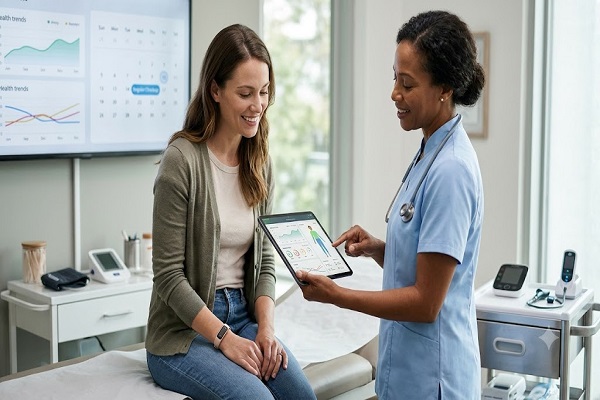
Digital health platforms, wearable devices and telemedicine services are making certain health information more accessible.
Some important developments include:
Smartwatches and Fitness Trackers: Wearable devices can monitor indicators such as heart rate, physical activity and sleep patterns. Some devices also offer additional health-monitoring features.
AI-Powered Healthcare: Artificial intelligence is increasingly being explored for analysing medical information, supporting diagnostic processes and identifying potential health risks.
Digital Health Records: Electronic health records can help patients and healthcare professionals access medical histories, test reports and treatment information more conveniently.
Telemedicine: Online consultations allow patients to connect with healthcare professionals, particularly when in-person visits are difficult.
However, digital health tools should complement professional medical advice rather than replace clinical examinations or diagnostic testing.
How Often Should You Get a Health Checkup?
There is no single health checkup schedule that is suitable for everyone.
The frequency of medical assessments depends on age, existing health conditions, family history and individual risk factors.
Young adults: Periodic health assessments can help establish baseline health measurements and identify potential risk factors.
Adults aged 30–40: Monitoring blood pressure, weight and relevant metabolic health indicators becomes increasingly important.
Adults aged 40–50: Doctors may recommend additional screenings based on individual risk and medical history.
Adults above 50: Age-appropriate cancer screenings, cardiovascular assessments and other preventive evaluations may become more relevant.
People with existing medical conditions or significant risk factors may need more frequent checkups regardless of age.
Simple Lifestyle Habits That Support Preventive Healthcare
Regular medical checkups are important, but everyday lifestyle choices also play a major role in maintaining good health.
Here are some practical habits to follow:
Eat a balanced diet: Include fruits, vegetables, whole grains, pulses and adequate protein in daily meals.
Stay physically active: Aim for regular physical activity, including walking, cycling or strength training.
Get sufficient sleep: Maintain a consistent sleep schedule and aim for adequate rest.
Manage stress: Practise relaxation techniques, meditation or other activities that support emotional well-being.
Avoid tobacco: Tobacco use increases the risk of several serious diseases.
Limit alcohol consumption: Avoiding alcohol is the safest option for health.
Stay updated on vaccinations: Follow recommended immunisation schedules based on age and medical history.
Common Myths About Regular Health Checkups
Despite growing awareness, several misconceptions prevent people from prioritising preventive healthcare.
Myth 1: I Feel Healthy, So I Don't Need Health Checkups.
Fact: Some conditions, including high blood pressure and high cholesterol, may not cause noticeable symptoms during their early stages.
Myth 2: Health Checkups Are Only Necessary After 40.
Fact: Health assessments can be useful at any age. The type and frequency of screening depend on individual risk factors.
Myth 3: More Tests Always Mean Better Healthcare.
Fact: Unnecessary testing can lead to false-positive results, additional investigations and avoidable expenses. Screening should be guided by medical advice.
Myth 4: A Normal Health Report Means I Will Never Develop a Disease.
Fact: Health conditions can develop over time. Regular monitoring and healthy lifestyle choices remain important even after normal test results.
The Future of Preventive Healthcare in India
Preventive healthcare is becoming an important part of India's evolving healthcare landscape. Growing awareness, digital health services, improved diagnostic facilities and government initiatives are contributing to greater attention towards early detection and health monitoring.
The focus is gradually shifting towards encouraging people to take responsibility for their health instead of depending entirely on treatment after illness develops.
However, affordability, healthcare accessibility and awareness remain important challenges, particularly in rural and underserved communities.
Making preventive services more accessible and encouraging evidence-based screening practices will be essential to improving long-term public health outcomes.
Conclusion
Preventive healthcare is one of the most effective ways to take a proactive approach towards long-term well-being. Regular health checkups, appropriate screenings, vaccinations and healthy lifestyle habits can help individuals understand their health risks and make informed decisions.
In 2026, prioritising preventive healthcare is not simply about undergoing medical tests. It is about building a consistent approach to health awareness, early detection and disease management.
Taking the time to understand your health today can help you make better decisions for a healthier tomorrow.