Quiet Style Without Following Every Trend

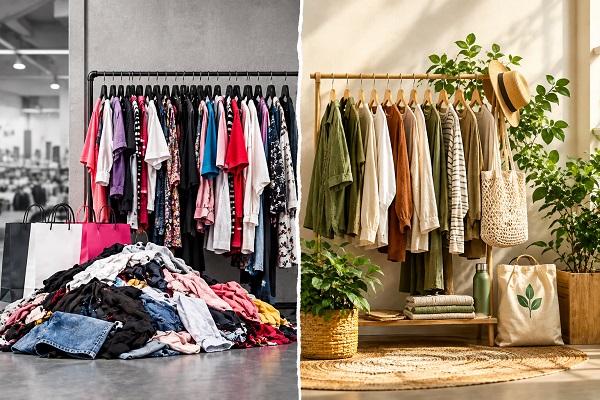
Fashion trends change quickly. One season a particular colour is everywhere, and the next season a completely different silhouette becomes popular. While trends can be fun, looking stylish does not require buying every new item that appears on social media.
A quiet, personal style is about choosing clothes that suit you, fit well, and can be worn repeatedly. It focuses less on chasing attention and more on looking polished without trying too hard.
Start With What You Actually Like
The easiest way to develop a quiet style is to pay attention to your own preferences.
Notice the colours, fabrics, fits, and outfits you naturally reach for. You may discover that you consistently prefer simple shirts, straight-fit trousers, clean sneakers, neutral colours, or classic jackets.
Your wardrobe should reflect your lifestyle rather than someone else's feed.
Focus on Fit
Well-fitting clothes often look more polished than expensive pieces that do not fit properly.
Pay attention to shoulder seams, sleeve length, trouser length, waist fit, and overall proportions. Small tailoring adjustments can make an ordinary outfit look much more refined.
Good fit also makes repeating the same pieces easier because they remain reliable parts of your wardrobe.
Build Around Timeless Pieces
A quiet wardrobe usually starts with dependable basics.
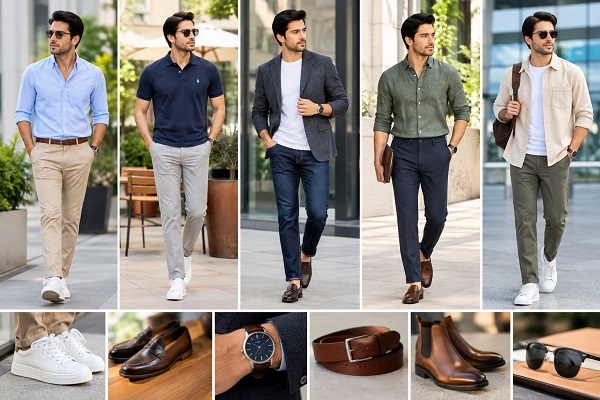
Plain shirts, well-fitting jeans, tailored trousers, simple knitwear, clean sneakers, classic loafers, and versatile outerwear can work across many situations.
These pieces may not be the most exciting items in a store, but they are easy to combine and remain useful for years.
Choose a Consistent Colour Palette
You do not need a wardrobe full of identical colours. However, choosing a few colours that work well together makes dressing easier.
Neutral shades such as black, white, navy, grey, beige, brown, and olive can provide a strong foundation. You can then add one or two colours that reflect your personality.
A consistent palette helps create a cohesive wardrobe without requiring lots of clothes.
## Learn to Repeat Outfits
Repeating outfits is not a fashion failure. It is often a sign that you have built a practical wardrobe.
The trick is to change small details. A different shoe, bag, jacket, watch, or accessory can give a familiar combination a different feel.
Instead of asking, “How can I wear something new every time?” ask, “How many ways can I wear what I already own?”
Buy Fewer Pieces With More Uses
Before buying something new, consider how many existing outfits it can work with.
A jacket that matches five outfits is likely to be more useful than a highly distinctive piece that works with only one.
Versatility is one of the easiest ways to make a wardrobe feel larger without actually making it bigger.
Do Not Confuse Expensive With Stylish
A higher price does not automatically make an item more stylish.
Look at construction, fabric, fit, comfort, and how often you will realistically wear the piece. A simple, well-chosen shirt can be more useful than a designer item purchased only because of its name.
Quiet style is more about thoughtful choices than obvious status.
Use Trends Selectively
You do not have to reject trends completely.
Instead, bring trends into your wardrobe in small ways. A current colour, accessory, shoe shape, or styling detail can add freshness without forcing you to rebuild your entire wardrobe.
This approach also reduces the risk of spending money on pieces that quickly feel outdated.
Pay Attention to Fabric
The way a fabric falls and feels can make a noticeable difference to an outfit.
Look for materials that suit your climate, routine, and comfort needs. Breathable fabrics can work especially well for everyday wear in warm weather, while heavier materials may be more suitable for cooler conditions.
Understanding fabric also helps you judge whether a garment is practical for your lifestyle.
## Keep Your Shoes Clean
Shoes can strongly affect the overall impression of an outfit.
You do not need a huge collection. A few versatile pairs in good condition can cover everyday, smart-casual, and formal situations.
Cleaning them regularly and replacing heavily worn pairs when necessary can make even simple outfits look more put together.
Keep Accessories Simple
Accessories can add personality without overwhelming an outfit.
A watch, belt, simple jewellery, sunglasses, scarf, or structured bag can complete a look. Choose pieces that work with multiple outfits rather than collecting accessories purely because they are trending.
The goal is to support the outfit, not make every accessory compete for attention.
Avoid Buying for a Single Occasion
A common mistake is purchasing clothing for one event and rarely wearing it again.
Before buying, ask whether you can see yourself using the item in at least several different situations. This encourages smarter shopping and helps prevent a wardrobe filled with clothes that look good only in photographs.
Create a Signature Element
Quiet style does not have to mean boring style.
You can develop a signature through something small: a favourite colour, a particular type of shoe, clean tailoring, minimal jewellery, a specific bag style, or a consistent way of layering.
Over time, these details can become part of how people recognize your personal style.
Take Inspiration Without Copying
Fashion inspiration is useful, but copying complete outfits can make your wardrobe feel disconnected from your own life.
Instead, look at what attracts you in an outfit. Maybe it is the colour combination, proportions, layering, or simplicity. Take that idea and adapt it to clothes you already own.
This turns inspiration into personal style.
Give Your Wardrobe a Pause Before Shopping
When you see something you like online, you do not need to buy it immediately.
Save the item and think about it for a few days. Ask whether it fills a genuine gap in your wardrobe, whether you already own something similar, and whether you would still want it without the influence of social media.
A short pause can prevent many unnecessary purchases.
Take Care of What You Own
Quiet style becomes much easier when your clothes are maintained properly.
Wash garments according to their care instructions, store them appropriately, repair small damage, and keep shoes and accessories clean.
Clothing that is well maintained tends to look better and remain useful for longer.
Let Your Style Evolve Naturally
Personal style does not need to be fixed forever.
Your lifestyle, career, preferences, and priorities can change. A quiet wardrobe gives you enough flexibility to evolve without needing to completely replace everything every season.
Style should support your life, not become another source of pressure.
Final Thoughts
Quiet style is not about avoiding fashion or wearing the same basic clothes every day. It is about becoming more selective.
Choose good fits, versatile pieces, colours that work together, and details that genuinely suit you. Follow trends when they add something useful to your wardrobe, not simply because everyone else is wearing them.
The result is a style that feels more personal, practical, and confident—and one that does not need constant shopping to stay relevant.