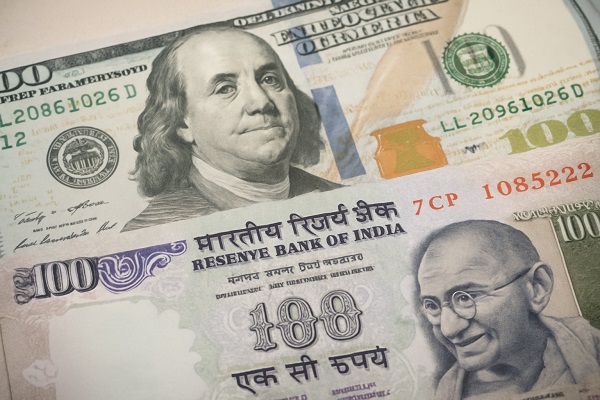
Rupee may drift towards 96 on twin drag from oil and U.S. yields

The Indian rupee is poised to weaken towards 96 per U.S. dollar after a third consecutive night of U.S. strikes against Iran reinforced fears of the fragile ceasefire breaking down and fuelled a renewed rise in oil prices.
Hawkish comments from a Federal Reserve official sent U.S. yields higher and are expected to further undermine the rupee, traders said.
The rupee is expected to open in the 95.94-95.98 range, traders said, after settling at 95.62 on Monday.
Brent crude climbed to $85.64 a barrel in Asian trading, its highest level in more than a month, after the U.S. military renewed strikes on Iran and reports emerged of attacks on tankers in the Strait of Hormuz.
Brent surged nearly 10% on Monday and is now up more than 20% from its recent lows, unwinding much of the relief the rupee had derived from softer oil prices.
The rupee had recovered to near 94, with measures announced by the Reserve Bank of India to attract dollar inflows improving the currency's near-term outlook.
While a chunk of the inflows linked to the RBI's measures are still awaited, the rupee's main source of pressure, oil, has returned, a currency trader at a bank said.
The currency is now inching towards its all-time low of 96.96 hit in mid-May.
However, the trader added he does not expect the rupee to hit a lifetime low "anytime soon", citing the likelihood of RBI intervention.
US YIELDS ADD TO PRESSURE
The rupee's challenges have been amplified by a rise in U.S. Treasury yields. Short-dated Treasury yields climbed to their highest levels in 17 months on Tuesday amid higher oil prices rekindling inflation concerns.
Fed Governor Christopher Waller said the central bank may need to raise interest rates "in the near term", lifting Treasury yields further.