Signing of the US-Iran deal and crude trading near $70–$80 per barrel is clearly favourable for India: smallcase manager Growth Investing

According to the smallcase manager of Growth Investing, India's markets have successfully navigated one of the most geopolitically volatile quarters in recent memory. The firm notes that for India, the signing of the US-Iran deals and crude trading near $70–$80 per barrel is clearly favourable, as it will help ease inflation, support the rupee, reduce the import bill, and benefit rate-sensitive and oil-consuming sectors.
The key risk to this outlook is any breakdown in the peace deal or renewed disruption at the Strait of Hormuz, which could re-spike crude, revive inflation and rate-hike concerns, and reverse gains across both rate-sensitive and oil-consumer sectors.
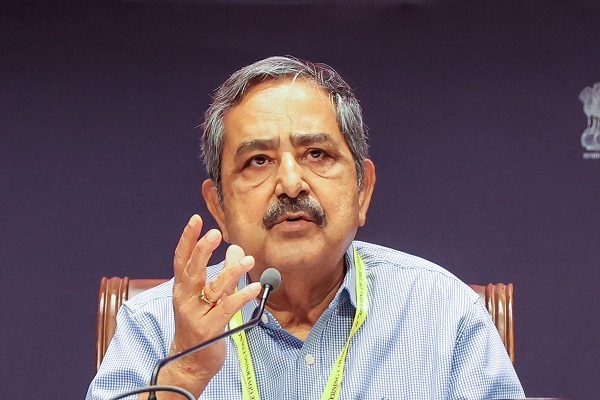
Mr. Narender Singh, smallcase manager and Founder & CEO at Growth Investing said, “This was a quarter where geopolitics, not fundamentals, drove the oil market and, by extension, Indian equities. The round trip in crude from $102 to $115 and back to $82 shows just how sensitive inflation, rate expectations and rural-linked sectors remain to developments around the Strait of Hormuz. With a peace deal now on the table, the focus for Q2FY27 shifts to whether crude can sustainably settle in the $70–$80 range, which would meaningfully ease the inflation and growth concerns the RBI flagged this quarter.”
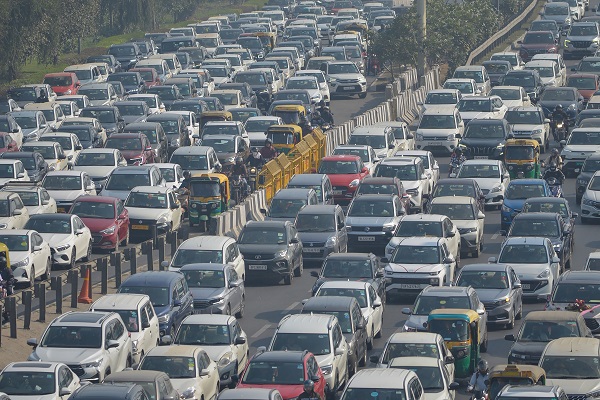
The quarter also played out amid intensifying heat conditions across India, with global air quality platform IQAir reporting on 27 April 2026 that all of the world’s 50 hottest cities were located in the country — underscoring the broader climate and energy pressures weighing on the economy.
Crude Oil Price Movement & Drivers: Crude oil price swings emerged as the single biggest driver of equity performance, inflation trends and RBI policy through April–June 2026. The blockade of the Strait of Hormuz and a US naval blockade disrupted a significant share of global oil flows, sending Brent crude on a sharp round trip through the quarter and leaving its mark across nearly every corner of the Indian market.
Brent crude started Q1FY27 at around $102 per barrel before easing to a quarter low of approximately $85 around 17 April on hopes of de-escalation. As peace talks stalled, prices reversed sharply, touching nearly $115 per barrel by 30 April. Crude then swung repeatedly through May — falling to around $95 on 7 May, climbing back to roughly $109 by 18 May, and slipping to about $90 by 29 May — before turning decisively lower into June. With a peace deal set to be signed on 19 June expected to reopen the Strait of Hormuz, crude is now trading near $82 per barrel.
Equity Markets and FPI Flows: The Nifty 50 opened the quarter near 22,900 and hit its quarter low of approximately 22,182 the very next day as crude-driven risk-off sentiment gripped the market. The index rallied to a quarter high of around 24,600 on 21 April, before drifting back toward roughly 23,070, and has gained over the last four to five sessions on the back of the peace deal signed on 19 June. The Sensex followed a similar path, opening around 71,800, touching a quarter low of approximately 71,545, peaking near 79,367 on 21 April, and recovering toward roughly 73,319 amid the peace-deal-led rebound.
Foreign institutional investors remained heavy sellers throughout the quarter, pulling out nearly ?70,000 crore in April, around ?56,000 crore in May and approximately ?46,000 crore in June so far, taking total FII selling for the quarter to about ?1.72 lakh crore. The report attributes the outflows to elevated crude prices, a weaker rupee and broad geopolitical risk aversion that pushed foreign investors toward safer assets.
Inflation and RBI Policy Response: Retail inflation rose through the quarter, with CPI printing around 3.40% in March and approximately 3.48% in April 2026 — the fastest pace in a year — as food inflation jumped to roughly 4.2%. Wholesale inflation ran far hotter, with WPI at around 8.3%, reflecting the direct impact of the energy shock ahead of its pass-through to retail prices. A 7–8% fuel price hike in May added further pressure, estimated to have contributed around 30–40 basis points to CPI.
The Reserve Bank of India held the repo rate steady at 5.25% at both its April and 5 June 2026 meetings, maintaining a neutral stance. At the June review, Governor Sanjay Malhotra raised the FY27 CPI projection to around 5.1%, flagging upside risks, while cutting the FY27 GDP growth projection to about 6.6% from approximately 6.9%, citing West Asia tensions, elevated crude, supply disruptions and rupee pressure.
While the decision was unanimous, the report notes a growing minority of economists have begun pricing in at least one rate hike by year-end should oil prices stay elevated. Separately, the government announced tax relief for FII/FPI investment in G-Secs to support capital inflows.
Sectoral Impact: The report highlights that elevated crude rippled unevenly across energy-sensitive sectors over the quarter. Upstream oil and gas producers such as ONGC and Oil India benefited from high realisations, while oil marketing companies including HPCL, BPCL and IOC saw compressed marketing margins before rallying around 3% each as crude eased in June.
Aviation stocks such as IndiGo were pressured by elevated jet fuel costs and then bounced, gaining nearly 10% in June as oil slid. The auto sector faced pressure from both higher input costs and demand sensitivity, while chemicals and paints makers such as Asian Paints saw margins squeezed by rising crude-derivative feedstock costs before rebounding as prices fell. FMCG companies faced milder pressure from higher packaging and transport costs, with the sector’s defensive nature drawing buying interest during risk-off sessions.
Sectoral Index Performance: Despite the crude-driven volatility, broader markets posted strong quarterly gains, with the Nifty 500 up around 12%. Sector performance, however, was sharply divergent — leadership came from domestic and rate-sensitive themes, while crude-linked and externally-exposed sectors lagged.
Top gainers were led by BSE Telecom (around +32%), Nifty Defence (around +26%), Capital Markets (around +25%), Realty (around +23%), Mid & Small Financial Services (around +23%) and Chemicals (around +18.5%). FMCG, Pharma, Healthcare and PSU Bank clustered around +8%, while Oil & Gas managed only around +4%. Nifty IT (around −2.5%) and Nifty CPSE (around −3%) were the quarter's clear underperformers — IT slipped despite the weaker rupee, reflecting global demand concerns.
Investment Implications & Opportunities: According to Growth Investing, the playbook for the period ahead hinges on the direction of crude and whether the peace deal holds. If crude sustains lower, it believes that interest-rate-sensitive sectors are likely to become key beneficiaries:
- Rate-sensitives — financials, realty and autos. Lower crude means lower inflation, which keeps the RBI from hiking; removing that overhang supports a re-rating.
- Oil-sensitive consumers — OMCs, aviation, paints and tyres see margin relief as their largest input or fuel cost falls.










Tag News

MOSt Market Roundup : Nifty Faces Strong Rejection Near 24,150 After Weak Opening by Motilal...