Smart Doorbells: Features to Know Before You Buy
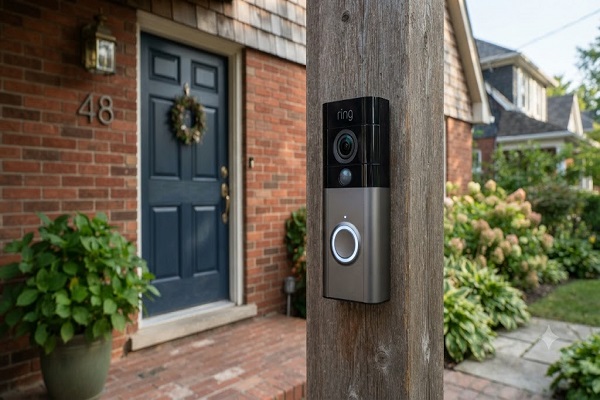
Smart doorbells have become a popular addition to modern homes, combining the basic function of a traditional doorbell with cameras, smartphone connectivity, motion detection, and other smart-home features. They can help homeowners see who is at the door, communicate with visitors, and receive alerts when activity is detected.
However, smart doorbells come with different features, connectivity options, storage plans, and installation requirements. Understanding these features can help you choose a device that fits your home and needs.
What Is a Smart Doorbell?
A smart doorbell is a connected doorbell equipped with a camera and other electronic features. Depending on the model, it can send notifications to your smartphone when someone rings the bell or when motion is detected.
Many models also allow you to view a live video feed and communicate with visitors through two-way audio.
1. Video Quality
Video quality is one of the most important features to consider. Look for a doorbell with a sufficiently high-resolution camera so that visitors and activity around your entrance can be seen clearly.
Some models offer Full HD or higher resolutions. A higher resolution can provide more detail, although actual image quality also depends on lighting, lens quality, and internet connectivity.
2. Wide-Angle View
A wide field of view can help you see more of the area around your entrance. This can be particularly useful for monitoring visitors standing close to the door or packages placed on the ground.
Some doorbells use vertically oriented cameras to provide better visibility from head to toe.
3. Night Vision
Since activity at your front door can happen after dark, night vision is an important feature. Infrared night vision can help the camera capture images in low-light conditions.
Some advanced models also offer colour night vision under suitable lighting conditions.
4. Two-Way Audio
Two-way audio allows you to communicate with someone at your door using the doorbell's built-in microphone and speaker.
For example, you may be able to tell a delivery person where to leave a package even when you are not at home.
5. Motion Detection
Motion detection can alert you when movement is detected near your entrance. However, overly sensitive detection can result in unnecessary notifications.
Look for models that allow you to adjust motion sensitivity or define specific activity zones.
6. Person Detection and AI Features
Some smart doorbells use artificial intelligence or image recognition to distinguish between people and other types of movement.
Depending on the model and service, the device may identify people, vehicles, animals, or packages. These features can help reduce unwanted alerts, but their accuracy can vary.
7. Smartphone Notifications
Smart doorbells can send notifications directly to your smartphone. You may receive an alert when someone presses the doorbell or when motion is detected.
Before buying, check whether the manufacturer's app is compatible with your smartphone and whether the features you want require a subscription.
8. Cloud and Local Storage
Video storage is another important consideration. Some doorbells store recordings in the cloud, while others may support local storage.
Cloud storage can make accessing recordings convenient, but it may require a monthly or annual subscription. Local storage can reduce recurring costs but may require additional hardware.
9. Battery-Powered vs Wired Models
Smart doorbells are generally available in two main configurations.
Battery-powered models are easier to install because they may not require existing doorbell wiring. However, the battery needs to be recharged periodically.
Wired models can provide continuous power but may require existing wiring or professional installation.
Choose according to your home's electrical setup and installation preferences.
10. Wi-Fi Connectivity
Most smart doorbells rely on Wi-Fi to send video and notifications. A strong and reliable connection near the entrance is therefore important.
Before installation, check whether your Wi-Fi signal reaches the door. A weak connection can affect live video, notifications, and other features.
11. Weather Resistance
Because the doorbell is installed outdoors, it should be designed to withstand the environmental conditions in your area.
Look for appropriate weather and water resistance ratings, particularly if the device will be exposed to rain, humidity, dust, or extreme temperatures.
12. Smart Home Compatibility
If you already use smart-home devices, compatibility can be important. Some smart doorbells can work with smart displays, voice assistants, security systems, or other connected devices.
Checking compatibility before buying can help you create a more integrated smart-home setup.
13. Privacy and Security
A doorbell camera records activity around your home, so privacy and cybersecurity should not be overlooked.
Look for features such as account security, encrypted communication, secure authentication, privacy zones, and control over who can access the camera.
It is also important to understand how the manufacturer stores and handles recorded footage.
14. Installation
Installation requirements vary between models. Battery-powered doorbells can often be installed without complex wiring, while wired models may require electrical work.
Before purchasing, check the mounting requirements, included accessories, power requirements, and whether professional installation is recommended.
15. Subscription Costs
Some smart doorbells provide basic functionality without a subscription, while advanced recording, cloud storage, or AI features may require a paid plan.
Consider the total cost of ownership, not just the initial purchase price.
Benefits of Smart Doorbells
Smart doorbells can provide several practical advantages:
Remote visitor monitoring
Smartphone notifications
Two-way communication
Motion alerts
Video recording
Package monitoring on supported models
Integration with other smart-home devices
Added convenience when you are away from home
How to Choose the Right Smart Doorbell
Before buying, consider your priorities. If you mainly want basic visitor monitoring, a simple model with good video quality and two-way audio may be enough.
If you want a more advanced home-security setup, look for features such as person detection, custom motion zones, recording, local or cloud storage, smart-home integration, and stronger privacy controls.
Also consider whether you prefer a battery-powered or wired installation and whether you are comfortable paying an ongoing subscription.
Final Thoughts
Smart doorbells can make everyday home monitoring more convenient by combining a doorbell, camera, communication system, and smartphone connectivity in one device.
The best choice depends on your home, budget, internet connection, installation setup, and desired features. Video quality, night vision, motion detection, storage, power source, privacy, connectivity, and subscription requirements are among the most important factors to evaluate before making a purchase.