Smart LED Lights: Features and Buying Guide
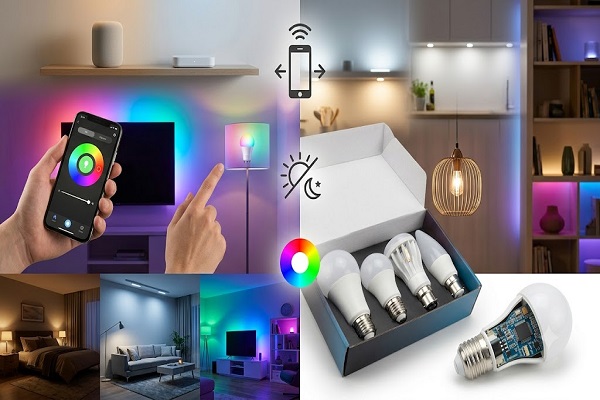
Smart LED lights have become a popular choice for modern homes because they combine energy-efficient LED technology with convenient smart controls. Unlike conventional bulbs, smart LED lights can often be operated through a smartphone app, remote control or voice assistant. Many models also allow users to change brightness, colour and lighting modes according to their needs.
For people looking to make their homes more convenient while adding a modern touch to bedrooms, living rooms, workspaces and entertainment areas, smart LED lighting can be a practical upgrade.
What Are Smart LED Lights?
Smart LED lights are LED-based lighting products that can connect to a smartphone, Wi-Fi network, Bluetooth or a dedicated smart-home hub. Depending on the model, users can control functions such as switching the light on or off, adjusting brightness and changing colour temperature.
Some RGB smart lights can also produce a wide range of colours, making them suitable for decorative lighting and entertainment setups.
Key Features of Smart LED Lights
1. Smartphone Control
One of the biggest advantages of smart lighting is app-based control. Users can operate compatible lights from their smartphones and, in some cases, control them remotely when the lights are connected to the internet.
2. Brightness Adjustment
Many smart LED bulbs offer adjustable brightness levels. This allows users to choose brighter illumination for reading or working and softer lighting for relaxing.
3. Colour Temperature Control
Some smart lights allow users to switch between warm and cool white light. Warm light can create a comfortable atmosphere, while cooler light can be useful for workspaces and task-oriented activities.
4. RGB Colour Options
RGB smart lights can produce multiple colours and are often used for decorative purposes. They can be useful for bedrooms, gaming rooms, parties and home entertainment areas.
5. Voice Control
Compatible smart LED lights can work with supported voice assistants. This allows users to operate lighting using simple voice commands, depending on the ecosystem and product compatibility.
6. Scheduling and Automation
Smart lighting apps may allow users to create schedules. For example, lights can be programmed to turn on in the evening and switch off automatically at bedtime.
7. Energy Efficiency
LED technology generally consumes less electricity than traditional incandescent lighting while providing good illumination. However, actual energy consumption depends on the wattage, usage duration and product design.
8. Scene and Lighting Modes
Many smart lighting systems offer preset scenes such as reading, relaxation, movie or party modes. Users can also create customised lighting settings on supported platforms.
Things to Consider Before Buying Smart LED Lights
Check the Bulb Base
Before purchasing a smart bulb, check the fitting used by your existing fixture. Common bases include B22 and E27, but compatibility should always be confirmed before buying.
Choose the Right Brightness
Look at the bulb's lumen rating rather than relying only on wattage. Higher lumens generally mean greater light output.
For a bedroom or ambient lighting, moderate brightness may be sufficient, while kitchens, study areas and workspaces may require stronger illumination.
Wi-Fi or Bluetooth?
Wi-Fi smart lights can generally be controlled over a home network and may offer remote-control features. Bluetooth models can be simpler to set up but may have a more limited operating range.
Some advanced systems use hubs or dedicated smart-home protocols, so buyers should check compatibility before purchasing.
Check Smart-Home Compatibility
If you already use a particular smart-home ecosystem, make sure the lighting product supports it. Compatibility can make it easier to control multiple devices from the same platform.
Look at Colour Options
If you only need regular household lighting, a tunable white smart bulb may be enough. If you want decorative lighting, an RGB model can provide more colour options.
Check App Features
The companion app can significantly affect the overall experience. Before buying, check whether it supports scheduling, scenes, automation, brightness control and other features you actually need.
Consider Installation and Setup
Most smart bulbs are designed to fit into existing fixtures, but setup may require pairing the bulb with an app or network. Buyers should check the manufacturer's instructions and supported operating systems.
Smart LED Lights for Different Rooms
Bedroom: Warm white lighting and adjustable brightness can create a comfortable environment.
Living Room: Tunable white or RGB lighting can be useful for both everyday illumination and entertainment.
Study Room: Brighter, cooler lighting may be useful for reading and desk work.
Kitchen: Higher-output smart LEDs can provide better visibility for food preparation and other tasks.
Gaming Room: RGB lighting and custom scenes can add decorative effects around a gaming setup.
Smart LED Lights vs Regular LED Bulbs
Regular LED bulbs primarily focus on illumination, while smart LED lights add connectivity and control features. A conventional LED bulb can be simpler and cheaper, whereas a smart model may offer scheduling, remote control, colour adjustment and integration with other smart devices.
The right choice depends on whether these additional features are useful for your daily routine.
Advantages of Smart LED Lights
Smartphone-based control
Adjustable brightness on supported models
Colour-temperature adjustment
RGB colour options on selected products
Scheduling and automation
Voice-assistant compatibility on supported devices
Energy-efficient LED technology
Convenient lighting control
Possible Limitations
Smart LED lights can cost more than conventional LED bulbs. Some features may also depend on a compatible app, internet connection, Bluetooth range or smart-home ecosystem.
Users should also check whether the bulb retains basic controls if the internet connection is unavailable.
Final Buying Checklist
Before purchasing a smart LED light, check:
Bulb fitting and compatibility
Brightness and lumen output
Wattage and energy consumption
Warm, cool or tunable white options
RGB availability if required
Wi-Fi or Bluetooth connectivity
Voice-assistant compatibility
Smartphone app features
Scheduling and automation support
Warranty and manufacturer support
Conclusion
Smart LED lights offer more than basic illumination by adding connected controls, adjustable brightness, colour options and automation features. They can be useful in different parts of the home, from bedrooms and living rooms to study areas and entertainment spaces.
The best smart LED light depends on the room, required brightness, connectivity preference and smart-home ecosystem. Comparing these features before purchasing can help buyers choose a product that fits both their lighting requirements and budget.