Smart Motorcycles: How Technology Is Transforming the Future of Two-Wheeler Riding
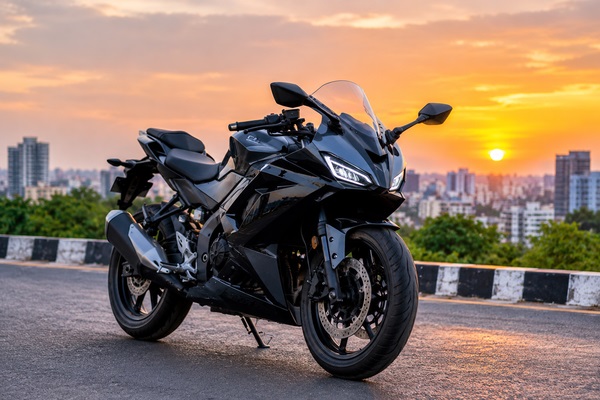
The motorcycle industry is entering a new phase of technological innovation. Modern bikes are no longer defined only by engine performance and design. Advanced safety systems, digital connectivity, improved fuel efficiency and electric mobility are changing how people experience two-wheeler transportation.
As consumer expectations evolve, manufacturers are focusing on creating motorcycles that offer a combination of performance, comfort, convenience and safety.
Digital Technology Is Changing the Riding Experience
Modern motorcycles are increasingly incorporating digital features that make riding more convenient. Digital instrument clusters, smartphone connectivity, navigation assistance and Bluetooth integration allow riders to access useful information while travelling.
Some advanced models also offer ride modes, vehicle diagnostics and mobile applications that help owners monitor important vehicle information.
Safety Is Becoming a Major Priority
Motorcycle safety is receiving greater attention from both manufacturers and consumers. Technologies such as Anti-lock Braking Systems (ABS), traction control and improved braking components can help riders maintain better control in different road conditions.
Better lighting systems, improved suspension designs and enhanced tyre technology also contribute to a safer and more comfortable riding experience.
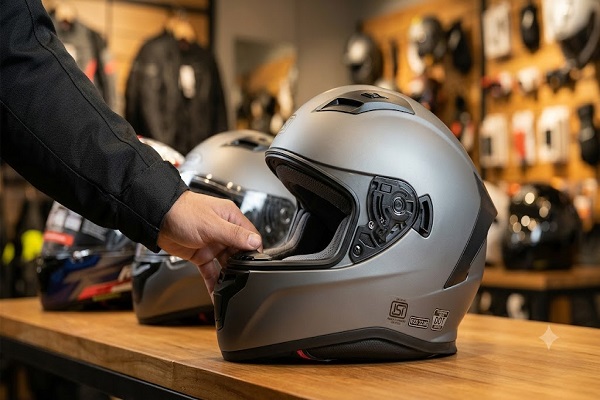
However, technology cannot replace responsible riding. Wearing certified helmets, following traffic regulations and maintaining safe speeds remain essential.
The Shift Towards Electric Two-Wheelers
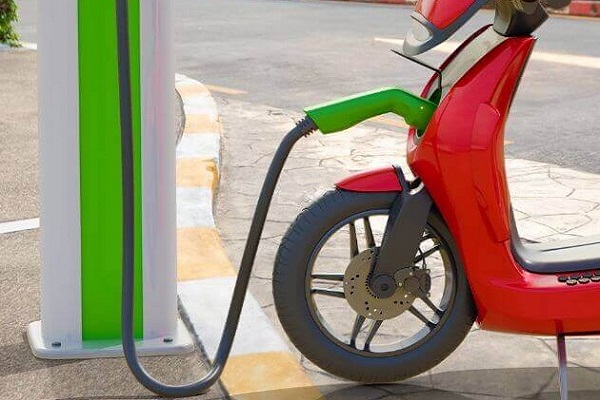
Electric motorcycles and scooters are creating new possibilities for urban mobility. They offer an alternative to conventional petrol-powered vehicles and can reduce tailpipe emissions during operation.
Battery technology, charging infrastructure, driving range and charging time remain important considerations for buyers. As these areas develop, electric two-wheelers could become increasingly practical for everyday commuting.
Performance Meets Everyday Comfort
Today's riders expect more than speed and acceleration. Comfortable seating, efficient suspension, manageable weight and convenient storage are important factors when choosing a motorcycle.
Manufacturers are also developing different categories of two-wheelers to meet specific needs, including daily commuters, sports bikes, adventure motorcycles and touring models.
This variety allows buyers to select vehicles based on their riding preferences, budgets and daily requirements.
The Importance of Regular Bike Maintenance
Even the most technologically advanced motorcycle requires proper maintenance. Regular engine oil checks, tyre pressure monitoring, brake inspections and timely servicing can improve reliability and extend vehicle life.
Riders should also follow manufacturer-recommended maintenance schedules and pay attention to unusual sounds, vibrations or changes in vehicle performance.
Conclusion
Technology is reshaping the motorcycle industry by introducing smarter features, improved safety systems and alternative mobility solutions. As innovation continues, the future of two-wheeler transportation will depend on balancing performance, affordability, efficiency and rider safety.
Ultimately, the best motorcycle is not necessarily the fastest or most expensive one. It is the one that meets a rider's needs while delivering reliability, comfort and confidence on the road.