Smart Tractors: How Modern Technology Is Transforming Agriculture
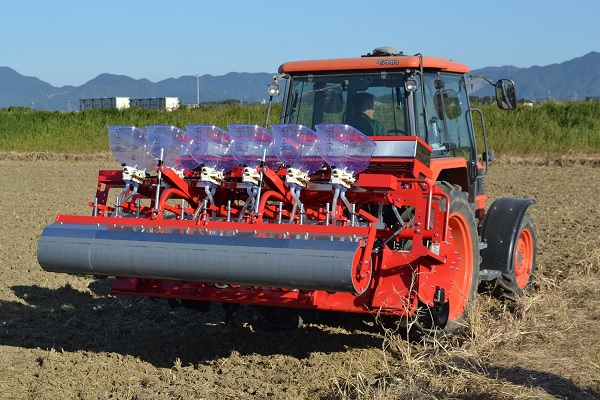
Agriculture is becoming increasingly technology-driven as farmers adopt advanced machinery to improve productivity and manage farming operations more efficiently. Among the most important developments is the evolution of smart tractors, which are transforming traditional farming through automation, digital connectivity, and precision technology.
Modern tractors are no longer limited to basic field operations such as ploughing, tilling, and transporting agricultural materials. Many newer models come equipped with GPS navigation, digital monitoring systems, automated steering, and advanced engine management technologies. These features help farmers perform agricultural activities with greater accuracy.
One of the major advantages of smart tractors is precision farming. GPS-based guidance systems can help maintain accurate paths across agricultural fields, reducing unnecessary overlapping during operations. This can improve the use of fuel, seeds, fertilisers, and other farm resources.
Automation is another important development. Certain advanced tractors offer automatic steering and programmable functions that reduce the need for constant manual control. These technologies can help farmers manage large agricultural areas while improving operational consistency.
Connectivity is also changing tractor operations. Some manufacturers provide connected platforms that allow farmers to monitor machine performance, fuel consumption, maintenance requirements, and operating hours through digital applications. Such information can help identify potential maintenance issues and reduce unexpected downtime.
Despite these advancements, challenges remain. The high purchase cost of advanced tractors, maintenance expenses, limited rural connectivity, and the need for technical training can affect adoption, particularly among small-scale farmers.
As agricultural technology continues to develop, smart tractors are becoming an important part of modern farming. Combining traditional machinery with digital innovation can help improve operational efficiency, support precision agriculture, and contribute to a more technology-enabled agricultural sector.