Smartwatches Becoming Essential Health Companions
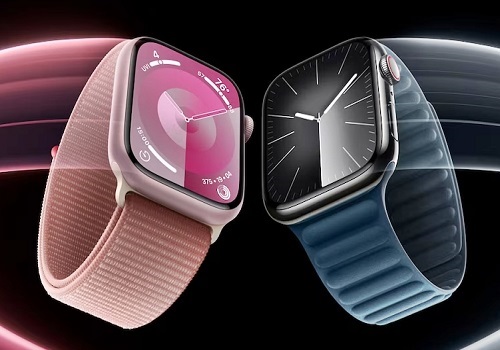
Smartwatches have evolved far beyond their original purpose of displaying notifications and tracking fitness activities. Today, these wearable devices are becoming indispensable health companions, offering users real-time insights into their physical well-being and helping them take a more proactive approach to healthcare.
Modern smartwatches are equipped with advanced sensors capable of monitoring a wide range of health metrics. From heart rate and blood oxygen levels to sleep quality and stress management, these devices provide continuous health tracking that was once only possible through specialized medical equipment. As technology advances, smartwatches are playing an increasingly important role in personal health management.
One of the most valuable features of smartwatches is heart health monitoring. Many devices can detect irregular heart rhythms, track resting heart rates, and alert users to unusual changes that may require medical attention. Early detection of potential cardiovascular issues can encourage timely consultations with healthcare professionals and improve health outcomes.
Sleep tracking has also become a key feature. Smartwatches can analyze sleep patterns, measure sleep duration, and identify disruptions that may affect overall health. By understanding their sleep habits, users can make informed lifestyle changes to improve rest and recovery.
Fitness and activity tracking remain central to the smartwatch experience. Devices encourage healthier lifestyles by monitoring daily steps, calories burned, exercise sessions, and movement goals. Personalized reminders help users stay active throughout the day, supporting long-term fitness and wellness objectives.
Stress management is another area where smartwatches are making a significant impact. Many models offer guided breathing exercises, mindfulness features, and stress-level monitoring based on physiological indicators. These tools help users better understand how daily activities and environments affect their mental well-being.
The integration of health data into smartphone applications has further enhanced the value of smartwatches. Users can access detailed reports, monitor trends over time, and share relevant information with healthcare providers when necessary. This data-driven approach enables individuals to make more informed decisions about their health.
For older adults and individuals with chronic conditions, smartwatches offer additional benefits such as fall detection, emergency alerts, medication reminders, and remote health monitoring. These features can improve safety, independence, and peace of mind for both users and their families.
Despite their advantages, experts emphasize that smartwatches should complement—not replace—professional medical care. While wearable devices provide useful insights, they are not substitutes for clinical diagnosis or treatment. Users should consult healthcare professionals regarding any concerning symptoms or health readings.
As wearable technology continues to advance, smartwatches are expected to become even more sophisticated, with improved sensors, artificial intelligence capabilities, and personalized health recommendations. Their growing role in preventive healthcare highlights how technology is empowering individuals to take greater control of their well-being.
From fitness tracking to early health monitoring, smartwatches are transforming the way people manage their health. What began as a convenience gadget has quickly become a powerful tool for promoting healthier lifestyles and supporting long-term wellness.