Streaming Devices: Everything You Need to Know Before Buying One
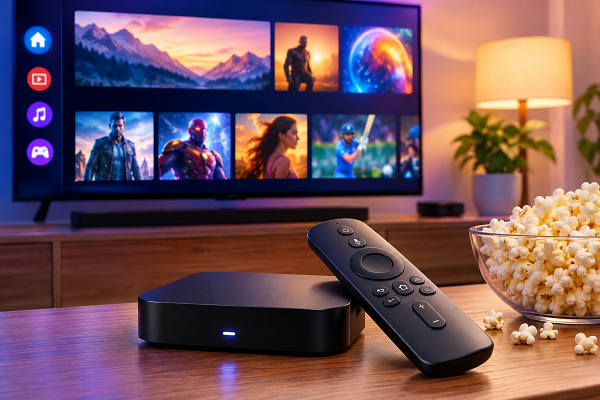
Streaming devices have transformed the way people watch television and consume digital entertainment. Instead of relying on traditional cable or satellite connections, users can now access thousands of movies, TV shows, live sports, music, and gaming content through internet-based streaming platforms. Whether you're upgrading an older television or looking for a smarter entertainment experience, choosing the right streaming device can significantly improve your viewing experience.
What Is a Streaming Device?
A streaming device is a compact piece of hardware that connects your television to the internet, allowing you to stream digital content from popular platforms such as Netflix, YouTube, Prime Video, Disney+, Apple TV, and many others.
Some modern smart TVs already have streaming capabilities built in, but dedicated streaming devices often offer faster performance, more frequent software updates, and access to a wider range of applications.
How Does a Streaming Device Work?
Streaming devices connect to your television through an HDMI port and access the internet via Wi-Fi or Ethernet.
Once connected, users can download streaming apps, sign in to their accounts, and instantly begin watching their favorite content without requiring a cable connection.
Most devices also include a remote control with voice search, making it easier to find movies, shows, or music.
Key Features to Consider
Video Quality
Choose a device that supports the highest resolution your television can display.
* HD (1080p)
* Full HD
* 4K Ultra HD
* 8K support (available on select premium devices)
If you own a 4K television, purchasing a 4K-compatible streaming device ensures the best picture quality.
HDR Support
High Dynamic Range (HDR) enhances brightness, color accuracy, and contrast.
Look for support for:
* HDR10
* HDR10+
* Dolby Vision
These technologies provide a more vibrant and lifelike viewing experience.
Operating System
The user interface determines how easily you can navigate apps and content.
Popular platforms include:
* Android TV / Google TV
* Fire TV
* Apple tvOS
* Roku OS
Each ecosystem offers different app selections, personalization features, and smart home integration.
Voice Control
Many streaming devices support voice assistants such as Google Assistant, Amazon Alexa, or Apple's Siri.
Voice commands allow users to:
* Search for movies
* Launch apps
* Control playback
* Adjust volume
* Manage compatible smart home devices
Connectivity Options
Before purchasing, check for:
* HDMI compatibility
* Dual-band Wi-Fi
* Bluetooth support
* Ethernet port (on selected models)
* USB connectivity (where available)
Stable internet connectivity is essential for uninterrupted streaming.
Advantages of Streaming Devices
Access to Thousands of Apps
Streaming devices provide access to entertainment, education, fitness, gaming, and music applications from a single platform.
Better Performance
Dedicated streaming hardware is often faster than built-in smart TV software, offering smoother navigation and quicker app loading times.
Regular Software Updates
Manufacturers frequently release updates that improve security, performance, and compatibility with new streaming services.
Cost-Effective Entertainment
Users can subscribe only to the streaming services they want instead of paying for large cable television packages.
Are Streaming Devices Worth Buying?
Streaming devices are an excellent investment for users who:
* Own older televisions without smart features.
* Want a faster and smoother streaming experience.
* Need access to a wider range of apps.
* Prefer voice-controlled navigation.
* Enjoy watching content in 4K HDR.
Even smart TV owners often choose dedicated streaming devices because of their superior performance and longer software support.
Tips Before Buying
* Choose a device compatible with your TV's resolution.
* Ensure your internet connection is fast enough for HD or 4K streaming.
* Check whether your preferred streaming apps are supported.
* Compare operating systems based on ease of use and ecosystem compatibility.
* Consider future-proof features such as Wi-Fi 6, Dolby Vision, and Dolby Atmos support.
Conclusion
Streaming devices have become an essential part of modern home entertainment. They offer convenient access to a vast library of digital content while delivering faster performance, better picture quality, and greater flexibility than traditional television services. By selecting a device that matches your viewing habits, television capabilities, and budget, you can enjoy a seamless entertainment experience for years to come.