SUV vs Sedan: Which Is Better?
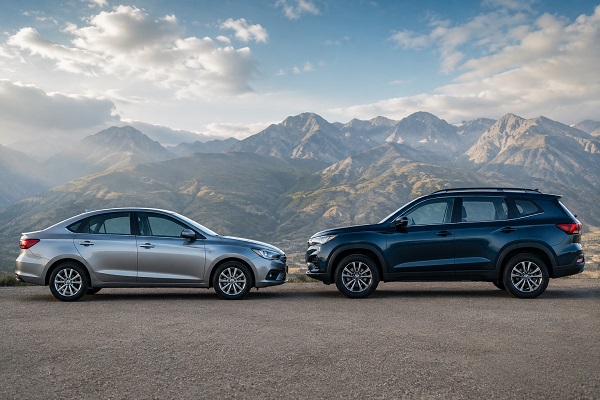
Choosing between an SUV and a sedan can be confusing, especially with so many options available in the market. Both body styles offer different advantages, and the right choice depends on how you plan to use the vehicle.
SUVs are generally known for their higher driving position, larger cabin space and practical design. Sedans, on the other hand, are often preferred for their comfortable road manners, lower stance and efficient use of space.
So, which one is actually better? The answer depends on your priorities.
What Is an SUV?
SUV stands for **Sport Utility Vehicle**. SUVs typically have a taller body, higher ground clearance and a more upright seating position.
Modern SUVs range from compact urban models to large three-row vehicles. Many are designed primarily for city use, while some are built with stronger off-road capabilities.
Their higher seating position gives drivers a better view of surrounding traffic, which many people find reassuring on busy roads.
What Is a Sedan?
A sedan is a traditional passenger car with a separate boot and a lower body compared with most SUVs.
Sedans are generally designed with an emphasis on comfortable road manners, stable handling and efficient highway driving.
Their lower center of gravity can also make them feel more planted around corners and at higher speeds.
SUV vs Sedan: Space and Practicality
SUVs generally have an advantage when it comes to overall practicality.
Their taller body makes it easier to get in and out, while larger SUVs can offer substantial passenger and luggage space. Foldable rear seats can also make carrying larger items easier.
Sedans can still provide generous cabin and boot space, but their lower roofline and fixed boot design may make them less flexible for carrying bulky objects.
For families, frequent travelers or people who regularly carry luggage, an SUV can therefore be more convenient.
Driving Position
One of the most noticeable differences is the seating position.
SUV drivers typically sit higher off the ground. This provides a commanding view of the road and can make it easier to see traffic ahead.
Sedans have a lower driving position. Some drivers prefer this because it creates a more connected feeling with the road and can make the vehicle feel more stable.
Ultimately, this comes down to personal preference.
Comfort and Ride Quality
Both SUVs and sedans can provide comfortable rides, but the experience varies considerably between individual models.
A well-designed SUV can offer excellent comfort, particularly on rough roads. However, its taller body and higher center of gravity can produce more body movement than a comparable sedan.
Sedans generally have a lower center of gravity, which can contribute to smoother handling and a more stable driving experience.
For mostly highway and urban driving, a good sedan can still be extremely comfortable.
Handling and Driving Dynamics
Sedans generally have an advantage when it comes to traditional driving dynamics.
Their lower center of gravity can make them feel more stable during cornering. The lower seating position can also give the driver a stronger sense of connection with the road.
SUVs have improved significantly in this area, particularly modern compact and midsize models. However, their taller structure still gives them a different driving character.
If driving enjoyment and handling are high priorities, a sedan may be more appealing.
Ground Clearance
This is one area where SUVs usually have a clear advantage.
Higher ground clearance can make it easier to deal with potholes, steep ramps, uneven roads and rougher surfaces.
This can be particularly useful in areas where road conditions vary considerably.
Sedans generally sit closer to the ground. While this can improve stability and aerodynamics, drivers may need to be more careful around large potholes and steep speed breakers.
Fuel Efficiency
Sedans often have an advantage in fuel efficiency because of their lower weight and more aerodynamic shape.
An SUV's taller body and greater weight can increase aerodynamic drag and energy consumption.
However, the difference depends heavily on the engine, transmission, vehicle size and powertrain.
A compact SUV with an efficient engine can sometimes deliver better efficiency than a larger sedan with a less efficient powertrain.
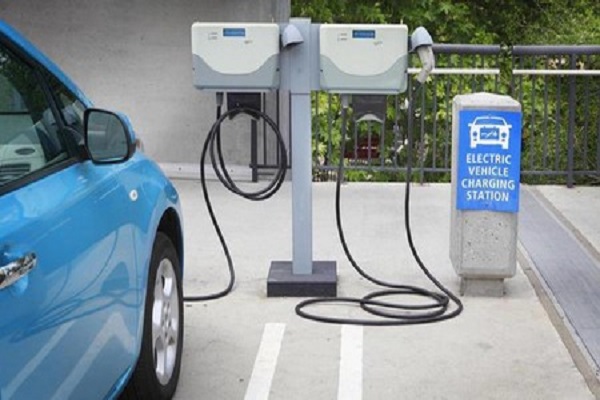
Electric vehicles also change the equation because factors such as battery size, weight and aerodynamics become particularly important.
Safety
Both SUVs and sedans can offer strong safety features.
Modern vehicles can come equipped with technologies such as airbags, electronic stability control, ABS, traction control and advanced driver assistance systems.
SUVs can provide a higher seating position and substantial vehicle structure, while sedans can benefit from a lower center of gravity and stable handling.
Rather than choosing a vehicle based only on its body style, buyers should check the **specific safety equipment and crash-test performance** of the model they are considering.
City Driving
For crowded urban environments, the choice is not always obvious.
A compact SUV can offer good visibility and useful ground clearance, making it practical for uneven roads and traffic.
However, sedans can be easier to maneuver and may offer better fuel economy depending on the model.
Parking also matters. A large SUV can be difficult to fit into tight urban parking spaces, while a compact sedan may be easier to position.
Long-Distance Travel
Both can work well for highway travel.
Sedans can provide a stable and comfortable ride, while SUVs offer a higher seating position and flexible luggage space.
For a family that frequently travels with several passengers and lots of luggage, an SUV may be the more practical choice.
For couples or smaller families who prioritize highway comfort and efficiency, a sedan can be an excellent option.
Maintenance and Ownership Costs
Ownership costs depend more on the specific vehicle than simply whether it is an SUV or sedan.
A larger SUV may require more fuel and potentially more expensive tyres and components. A compact sedan may cost less to operate.
Insurance premiums, servicing, tyre replacement, fuel or electricity costs and depreciation should all be considered before making a purchase.
A vehicle with a lower purchase price is not necessarily cheaper to own over several years.
SUV vs Sedan: Which Should You Choose?
An **SUV may be better for you if you prioritize:**
* Higher driving position
* Greater ground clearance
* Flexible luggage space
* Easy entry and exit
* Family practicality
* Rough or uneven roads
A **sedan may be better if you prioritize:**
* Fuel efficiency
* Stable handling
* Comfortable highway driving
* Lower driving position
* Easier maneuverability
* A traditional car-like driving experience
Final Verdict
There is no universal winner in the SUV vs sedan debate.
SUVs have become increasingly popular because they combine practicality, visibility and ground clearance with modern comfort and technology. Sedans continue to offer strong advantages in efficiency, handling and comfortable long-distance driving.
The best choice ultimately depends on **your budget, driving conditions, family size, parking situation and personal preferences**.
If you regularly deal with poor roads, need additional space and prefer a higher driving position, an SUV could be the better fit. If efficiency, handling and a lower cost of ownership are more important, a sedan may make more sense.
Instead of choosing based purely on popularity, compare the specific models you are considering and think about how you will actually use the vehicle every day.