The Art of Slow Living: Finding More Joy in Everyday Moments

Modern life often revolves around busy schedules, constant notifications, and endless to-do lists. While staying productive is important, moving through every day in a hurry can leave little room to enjoy the present. Slow living offers a different approach: making thoughtful choices, appreciating ordinary moments, and creating a lifestyle that feels more balanced.
Slow living does not mean abandoning responsibilities or avoiding ambition. It means giving greater attention to how time is spent and deciding which activities genuinely add value to everyday life.
Make Time for Simple Pleasures
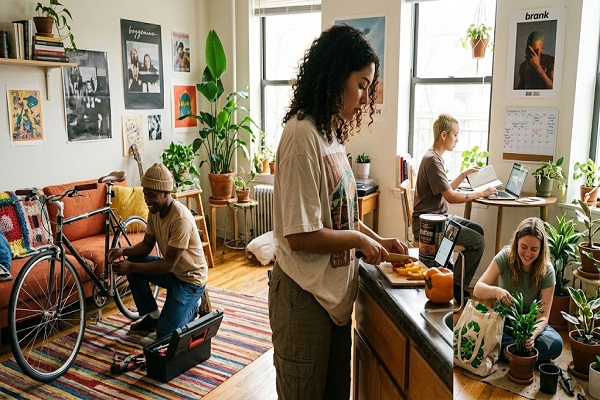
Small moments can bring unexpected satisfaction. Enjoying a cup of tea without checking a phone, taking a peaceful morning walk, or preparing a favourite meal at home can help make ordinary routines feel more meaningful.
These activities do not require expensive purchases or elaborate plans. The key is to experience them without constantly rushing toward the next task.
Create a Less Distracted Environment
Digital devices make communication and entertainment convenient, but frequent notifications can interrupt concentration and relaxation. Setting aside specific periods to check messages or limiting phone use during meals can create more space for uninterrupted activities.
A short break from screens before bedtime can also become a useful part of a relaxing evening routine. Rather than aiming for a completely technology-free lifestyle, focus on using devices intentionally.
Keep Your Daily Routine Manageable
An overloaded schedule can make even enjoyable activities feel like obligations. Planning a realistic number of tasks each day allows room for unexpected responsibilities and personal time.
Simple habits, such as preparing clothes the night before, keeping frequently used items organised, and planning meals in advance, can reduce unnecessary decisions. A manageable routine often provides more flexibility than a tightly packed timetable.
Bring Nature Into Everyday Life
Spending time outdoors can be an easy way to add variety to a busy day. Walking through a nearby park, caring for indoor plants, or sitting outside for a few minutes can offer a welcome change from indoor environments.
Nature-based activities can also encourage movement and help people step away from work-related demands. Even brief outdoor breaks can become a refreshing part of a regular routine.
Choose Experiences Over Constant Consumption
Lifestyle trends often encourage people to buy new products to improve their homes, wardrobes, or daily habits. While certain purchases can be useful, satisfaction does not always come from acquiring more possessions.
Reading a book, learning a new skill, spending time with loved ones, or exploring a nearby place can create memorable experiences without requiring extravagant spending. Being more intentional about purchases can also help reduce clutter and unnecessary expenses.
Conclusion
Slow living is not about doing everything slowly. It is about making space for what matters while reducing the pressure to remain constantly busy. Through mindful routines, fewer distractions, time outdoors, and a greater appreciation for simple experiences, everyday life can become more balanced and rewarding.
A more fulfilling lifestyle often begins with small changes. Choosing to be fully present in one ordinary moment each day can be a practical first step toward living with greater intention.