The Rise of Digital Burnout: Protecting Mental Health in an Always-Online World
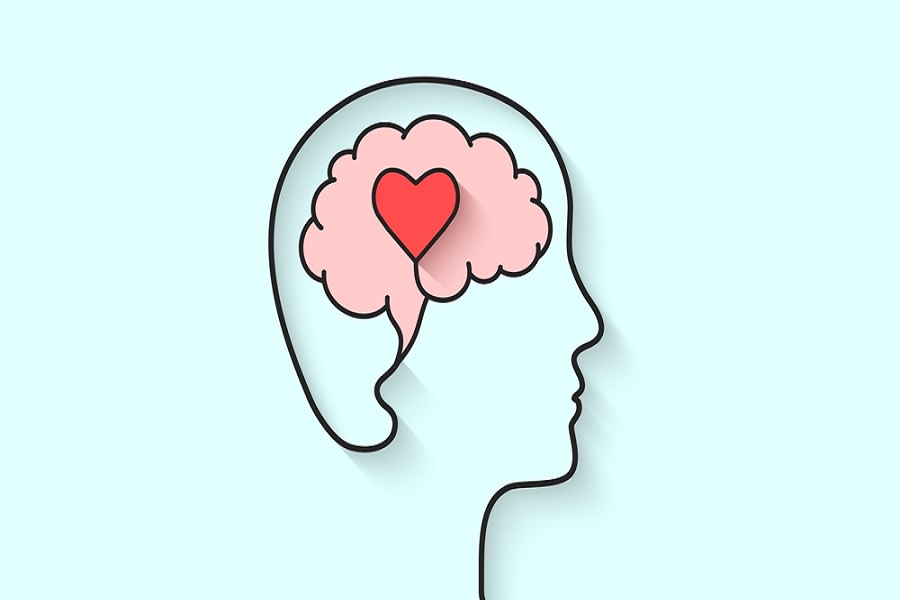
In 2026, technology is more deeply integrated into daily life than ever before. From AI assistants managing schedules to immersive virtual workspaces and constant connectivity through wearable devices, the boundary between “online” and “offline” has nearly disappeared. While these advancements have improved productivity and convenience, they’ve also given rise to a growing health concern: digital burnout.
Digital Burnout:
Digital burnout is a state of mental and emotional exhaustion caused by prolonged and excessive use of digital devices. Unlike traditional burnout, which is often work-related, digital burnout stems from continuous exposure to screens, notifications, and the pressure to stay connected.
Symptoms may include:
1. Chronic fatigue despite adequate sleep
2. Reduced attention span
3. Irritability or mood swings
4. Sleep disturbances
5. Feelings of overwhelm or detachment
Why It’s a Bigger Issue in 2026
Several trends have amplified the risk of digital burnout:
1. AI-Powered Workflows
AI tools have made work faster—but also constant. Many people feel pressure to keep up with AI-driven productivity, leading to fewer breaks and longer work hours.
2. Hybrid & Virtual Work Environments
Even years after global shifts toward remote work, virtual collaboration remains dominant. Meetings across time zones and digital offices mean fewer natural pauses in the day.
3. Wearable Tech & Health Tracking
Devices now monitor everything from heart rate to sleep cycles. While helpful, constant self-tracking can create anxiety and obsession over “perfect” health metrics.
4. Social Media Evolution
Short-form, high-frequency content continues to dominate, making it harder for users to disconnect and contributing to information overload.
The Science Behind It
Digital burnout is closely linked to overstimulation of the brain. Continuous notifications and multitasking can overload the prefrontal cortex, reducing decision-making ability and increasing stress hormones like cortisol.
Sleep is also affected. Exposure to blue light from screens suppresses melatonin production, disrupting natural sleep cycles—even in people who believe they’ve “adapted” to late-night screen use.
While anyone can experience digital burnout, some groups are particularly vulnerable:
1. Remote workers and freelancers
2. Students in digital-first education systems
3. Content creators and social media managers
4. Tech professionals and startup employees
5. How to Prevent Digital Burnout
The good news is that digital burnout is manageable—and preventable—with intentional habits.
1. Practice “Digital Boundaries”
Set clear limits for work and personal device use. For example, avoid checking emails after a certain hour.
2. Schedule Screen-Free Time
Dedicate at least 1–2 hours daily without screens. Use this time for physical activity, hobbies, or social interaction.
3. Use Technology Mindfully
Ironically, tech can help manage tech use. Many apps now track screen time or block distracting notifications.
4. Optimize Your Sleep Routine
Reduce screen exposure at least 60 minutes before bedtime. Consider using night mode or blue-light filters.
5. Take Micro-Breaks
Follow the 20-20-20 rule: every 20 minutes, look at something 20 feet away for 20 seconds to reduce eye strain and mental fatigue.
The Role of Employers and Policy
Organizations are increasingly recognizing digital burnout as a legitimate health issue. In 2026, progressive companies are:
Implementing “no-meeting days”
Encouraging asynchronous communication
Offering mental health support and digital wellness programs
Some governments are even exploring “right to disconnect” laws to protect employees from after-hours work demands.
Looking Ahead
As technology continues to evolve, the challenge will not be avoiding it—but using it sustainably. Digital burnout is a reminder that human biology hasn’t evolved as quickly as our tools have.
Balancing productivity with well-being will define the next era of health. In a world where being constantly connected is the norm, the real skill is knowing when to disconnect.